BROILERS
Hatching and growth: what really matters
Procedures, dynamics, and controls that guide the farmer from hatching to placement.
BROILER STARTER PHASE
From incubation to the first 48 hours
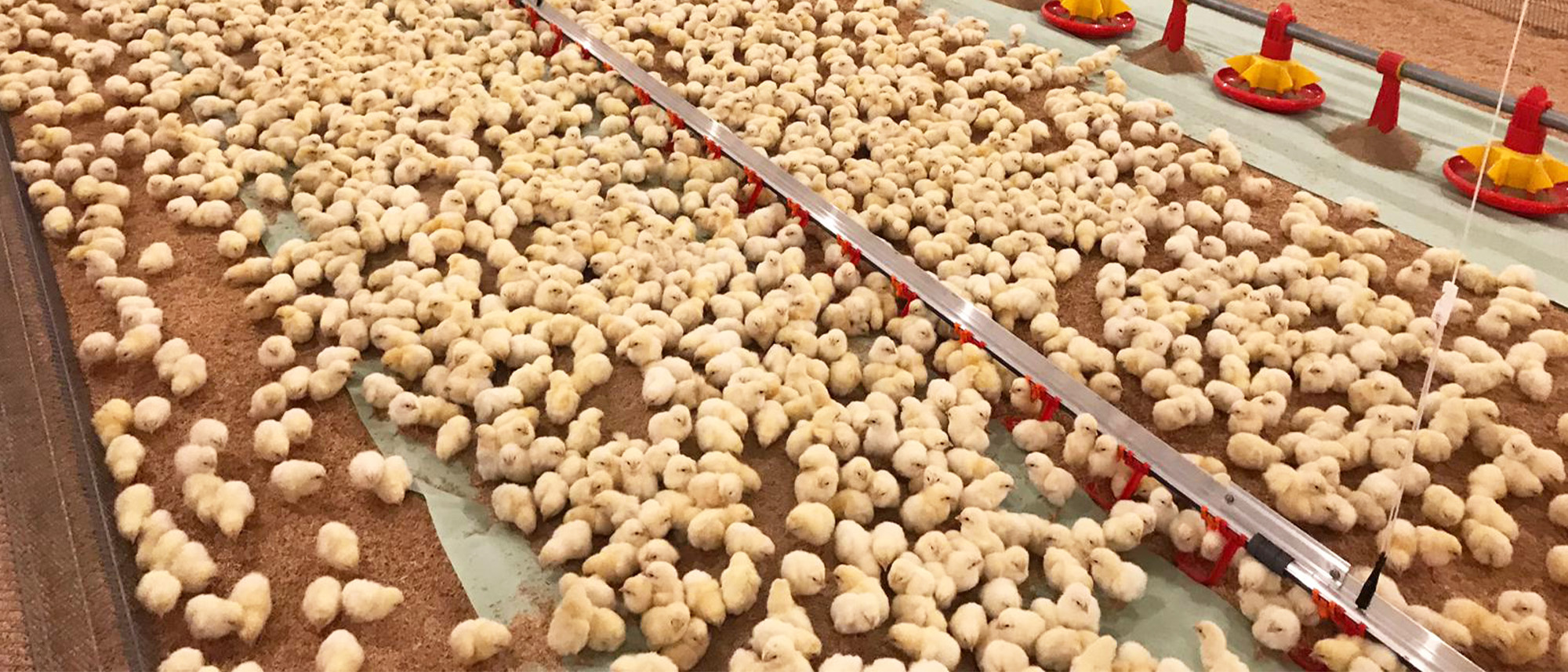
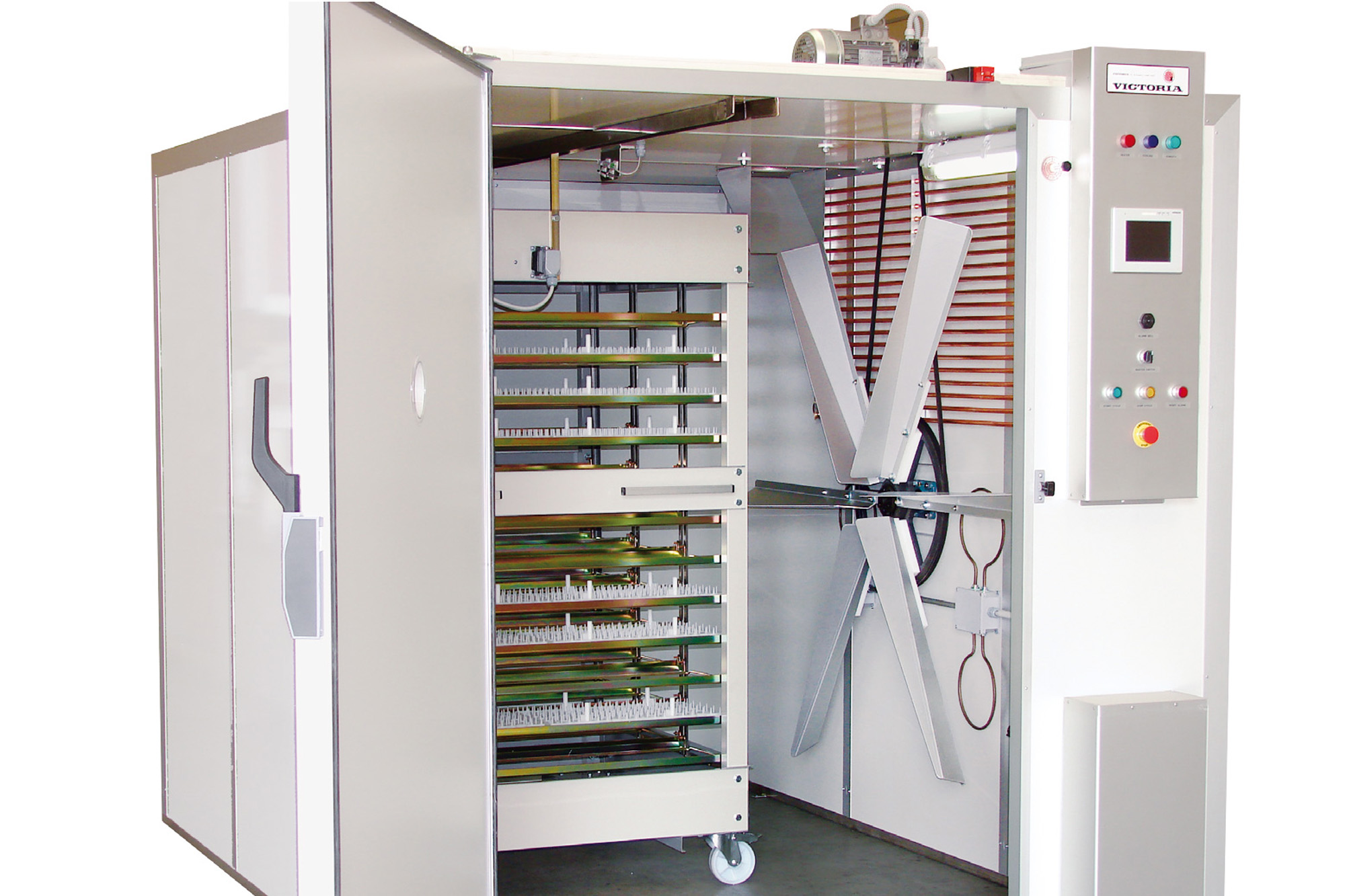
From fertilized eggs incubated for approximately 21 days, chicks are obtained ready for placement; on the farm, after cleaning and disinfection from the previous cycle, the temperature is brought to 31°C, carefully preparing confined areas where chicks can find specialized starter feed and clean water.
GROWTH: KEY PARAMETERS
Feeding, watering, and ventilation
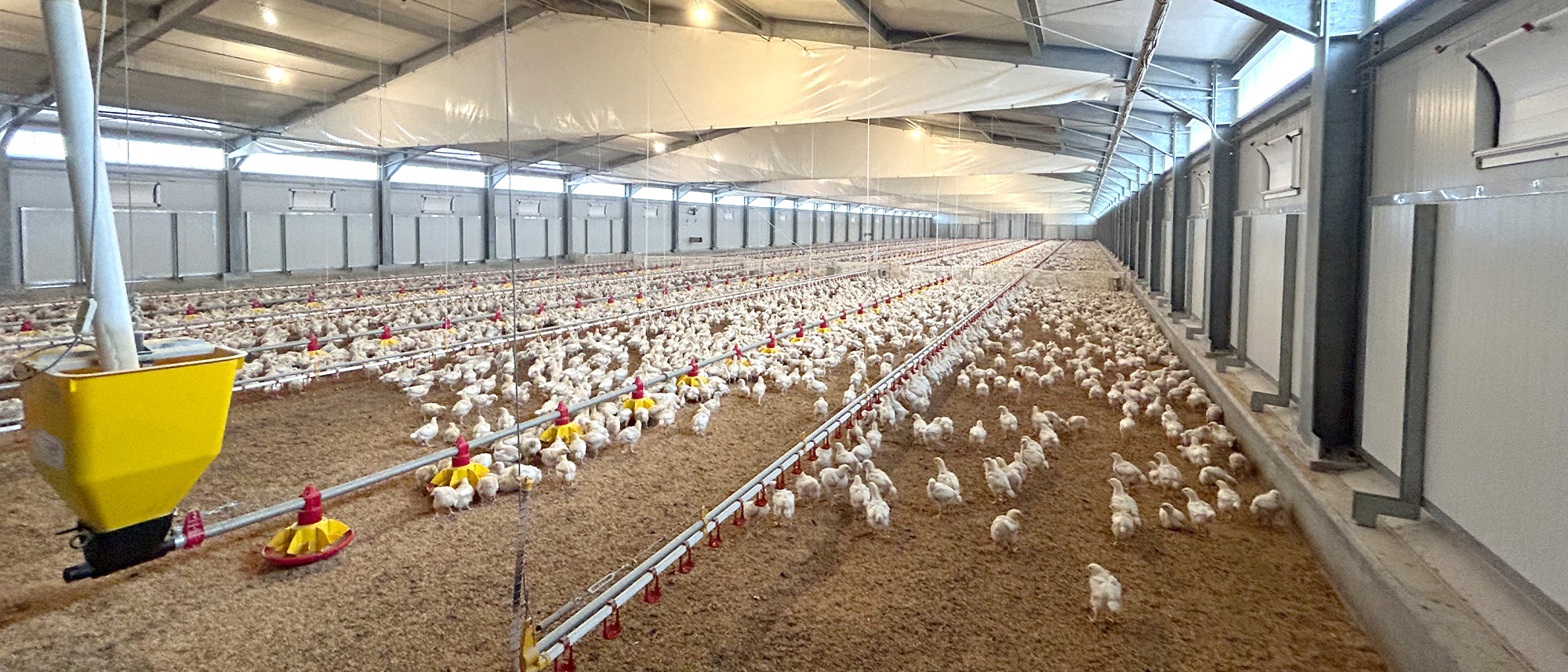
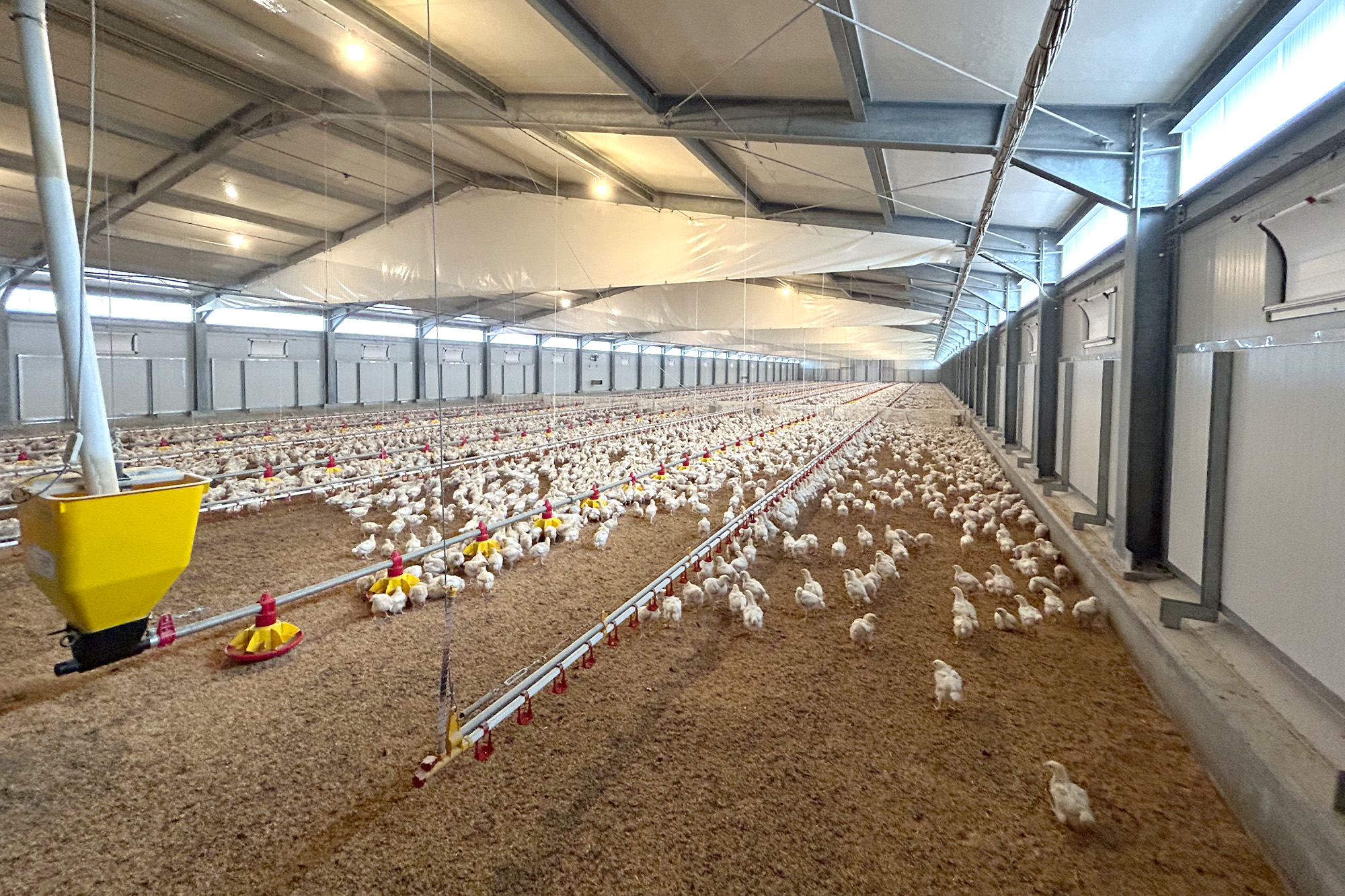
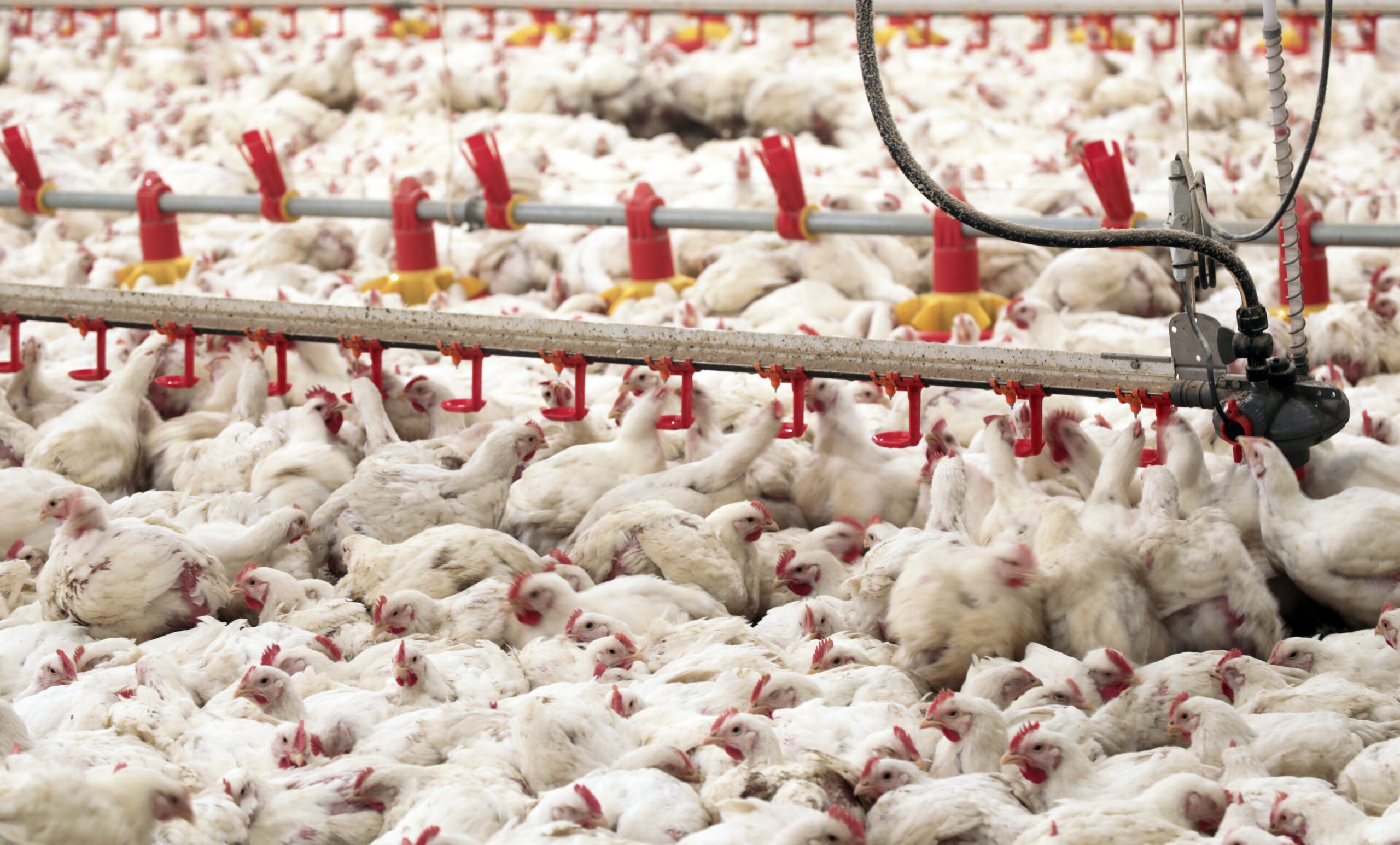
From the selection and sizing of silos to the layout of feed lines, and the adjustment of pans and heights over time: the goal is to ensure uniform access to feed, reduce waste, and promote correct posture of the birds in all phases (starter, grower, finisher).
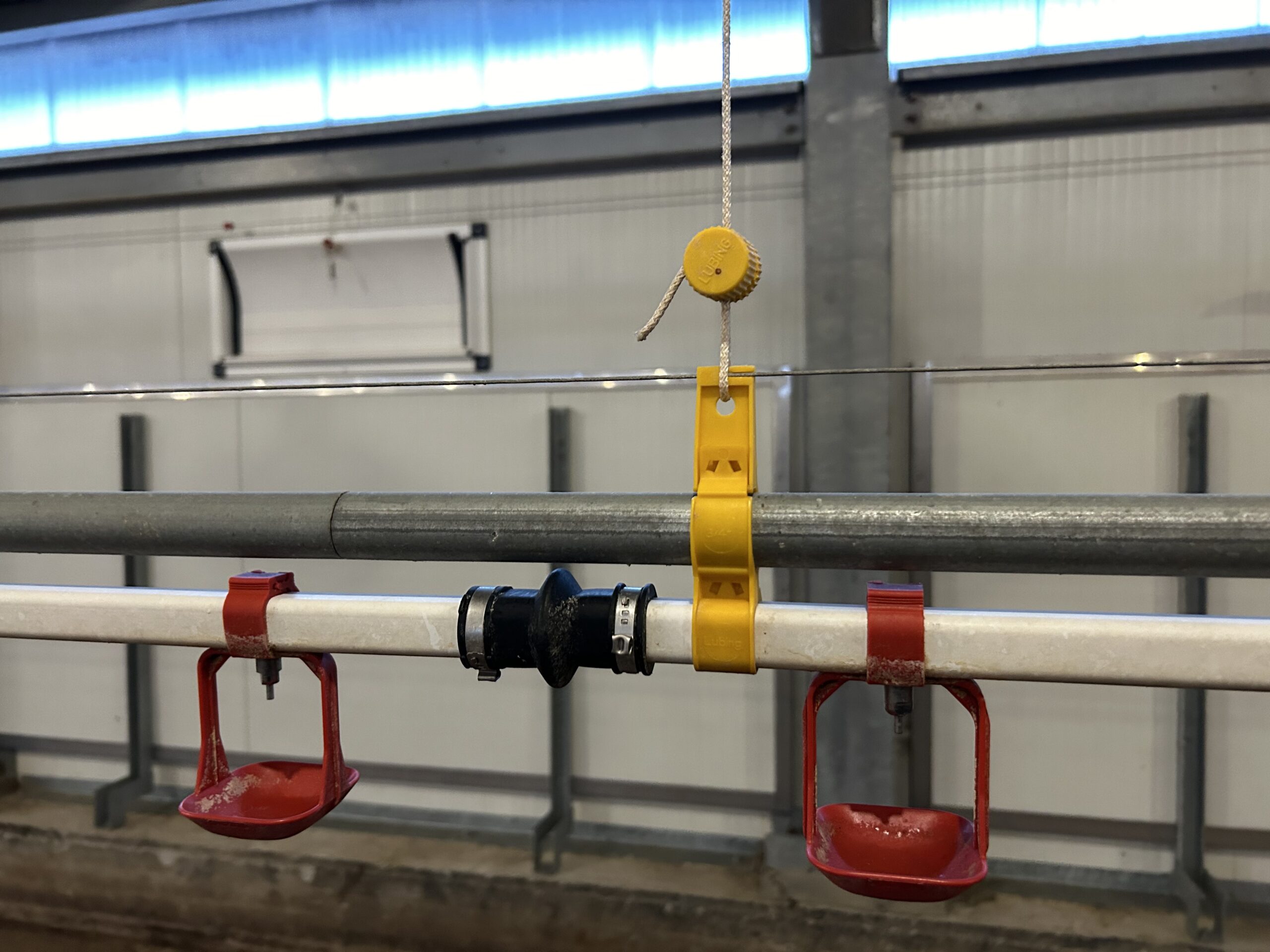
Number of birds per nipple, water column regulation, line height adjustment, and water quality control are key elements to ensure continuous, clean, and easily accessible drinking, while maintaining dry and functional litter.
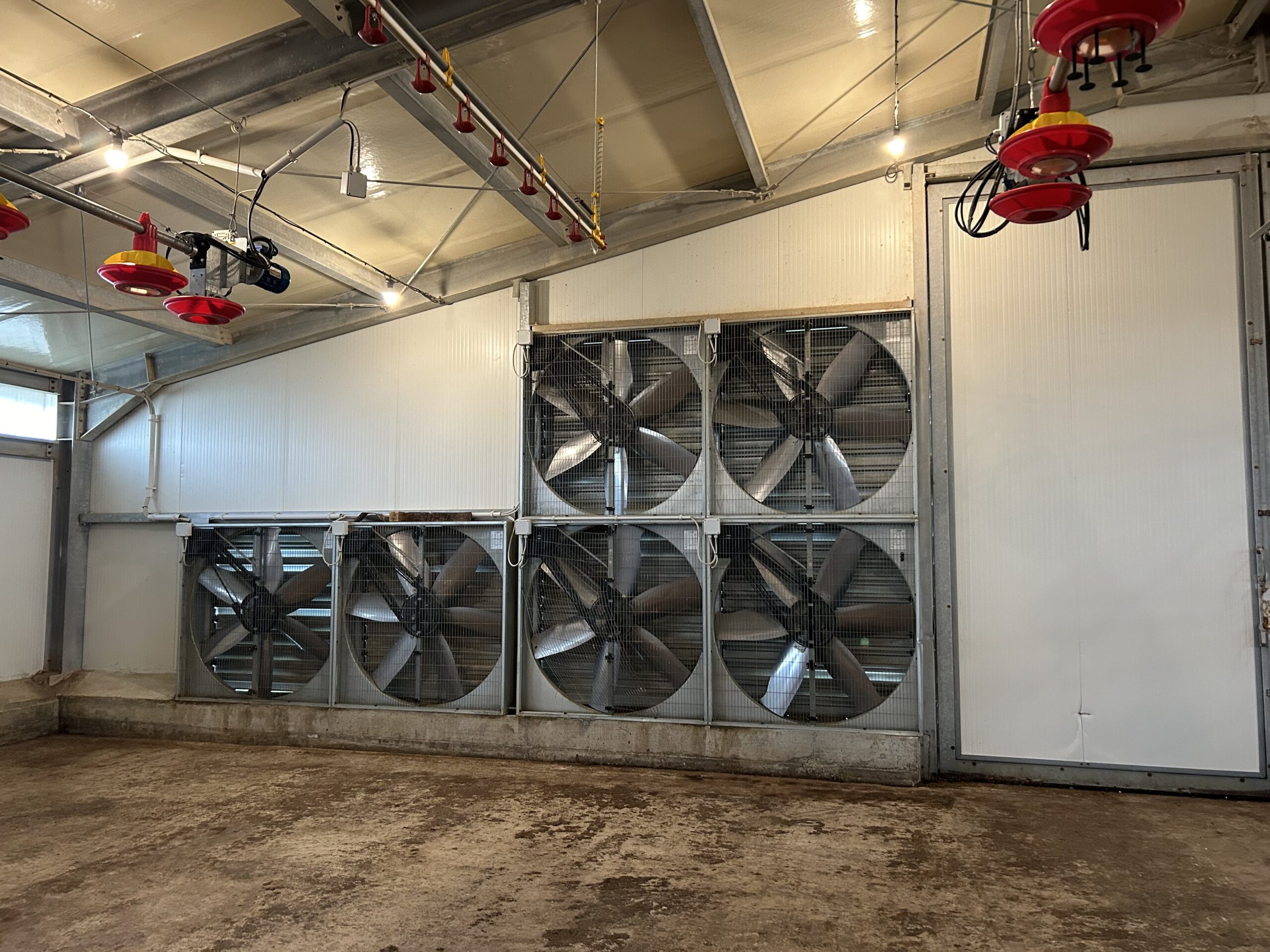
Minimum ventilation, air flow management, and control of temperature and humidity create the ideal microclimate for growth: a uniform environment, without direct drafts on the birds, supporting welfare, litter quality, and production performance.
Parameters to consider for the best accommodation
- House cleaned, disinfected, and dry
- Pre-heating completed, no condensation
- Suitable litter (wood shavings/straw/rice hulls), dry and uniform
- Starting temperature: 30–33°C
- Relative humidity ≈ 50% at placement
- Minimum ventilation active, no drafts on chicks
- Evenly distributed and calm = OK
- Huddled under heat source = too cold
- Clustered along walls = drafts
- Panting, far from heat source = too hot
- Feed trays on the floor (first 7–10 days)
- Paper with feed under drinkers (max 24–48 h)
- Water column: 10 cm at start, then +2 cm/day (up to ~25 cm)
- Nipples at correct height: chicks slightly stretching to drink
- 24 h light during the first 24–48 h
- Intensity ≥ 20 lux at the beginning, 5–10 lux at end of cycle
- Planned dark periods
- Low and decreasing mortality (0–7 days)
- Strong and uniform weight gain at 7 days
- Feed and water intake consistent
- Dry, friable litter with no wet spots
ADVICE
Request a consultation
Please do not hesitate to contact us
Rota Guido’s technical and sales team is at your complete disposal for any enquiries or information you may require