PIGS
Weaning: the first step toward efficient and controlled finishing
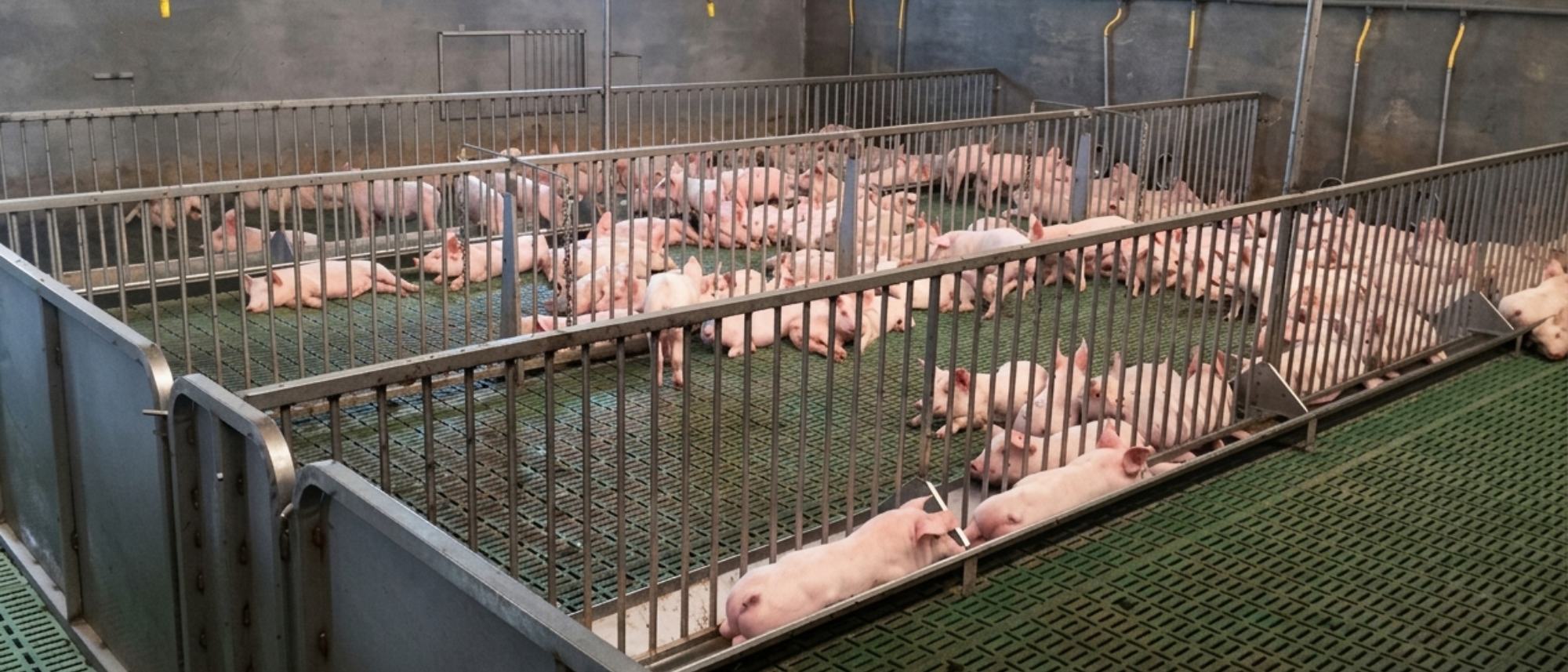
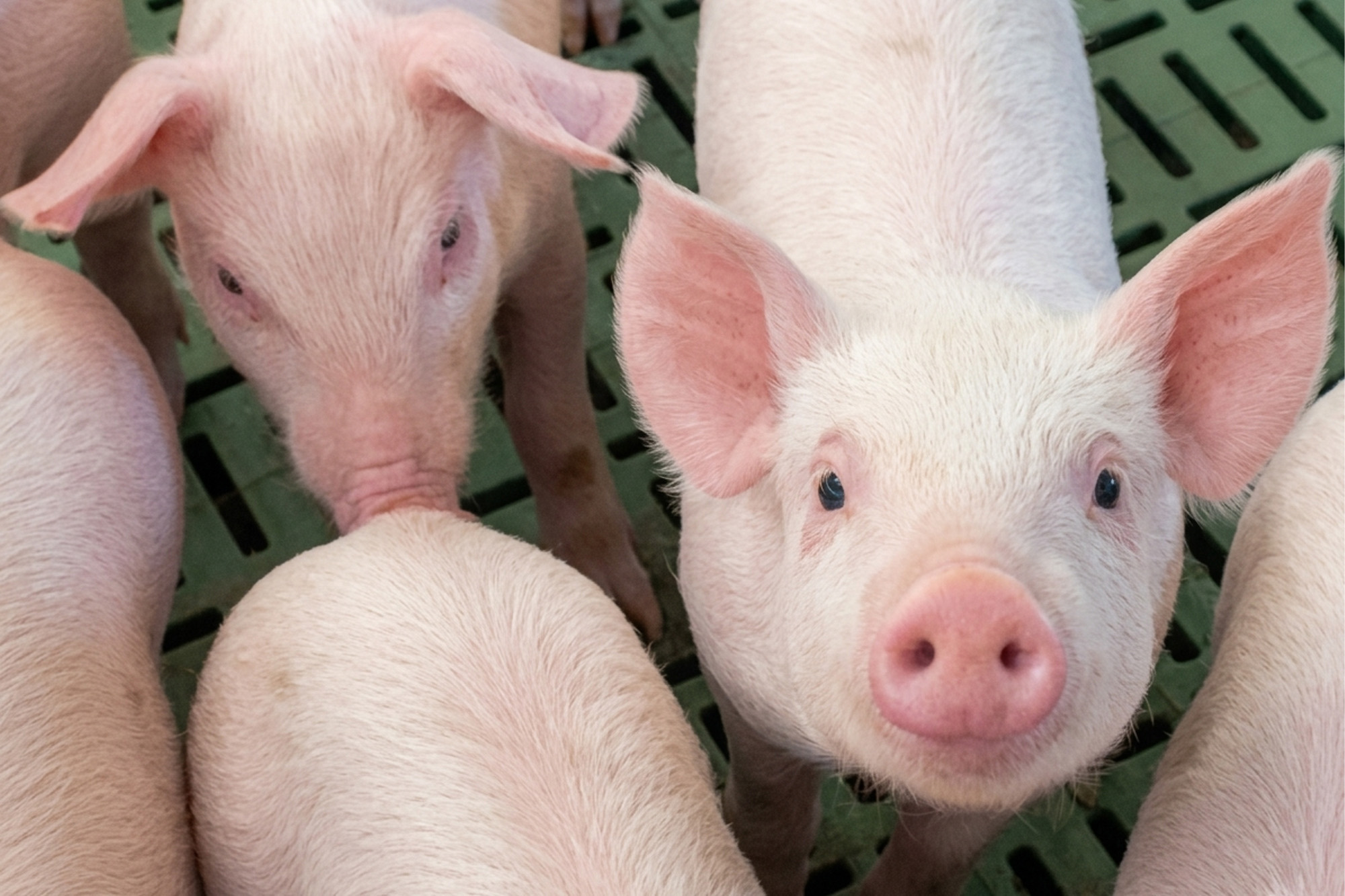
The weaning phase is one of the most delicate stages in pig farming: it generally involves piglets from 6 to 30 kg and forms the foundation on which the efficiency of the subsequent growing and finishing phases is built. Separation from the sow and introduction into a new environment require management, environmental, and nutritional stability. Careful design supports steady growth, more uniform groups, and more consistent performance over time.
WEANING
Four key elements in the design of the weaning unit
According to the Rota Guido approach, the weaning unit is built on the precise integration of four key factors:
- correct space sizing
- stable and adjustable microclimate
- robust and functional equipment
- ease of operational management
PIGLET GROWTH PENS
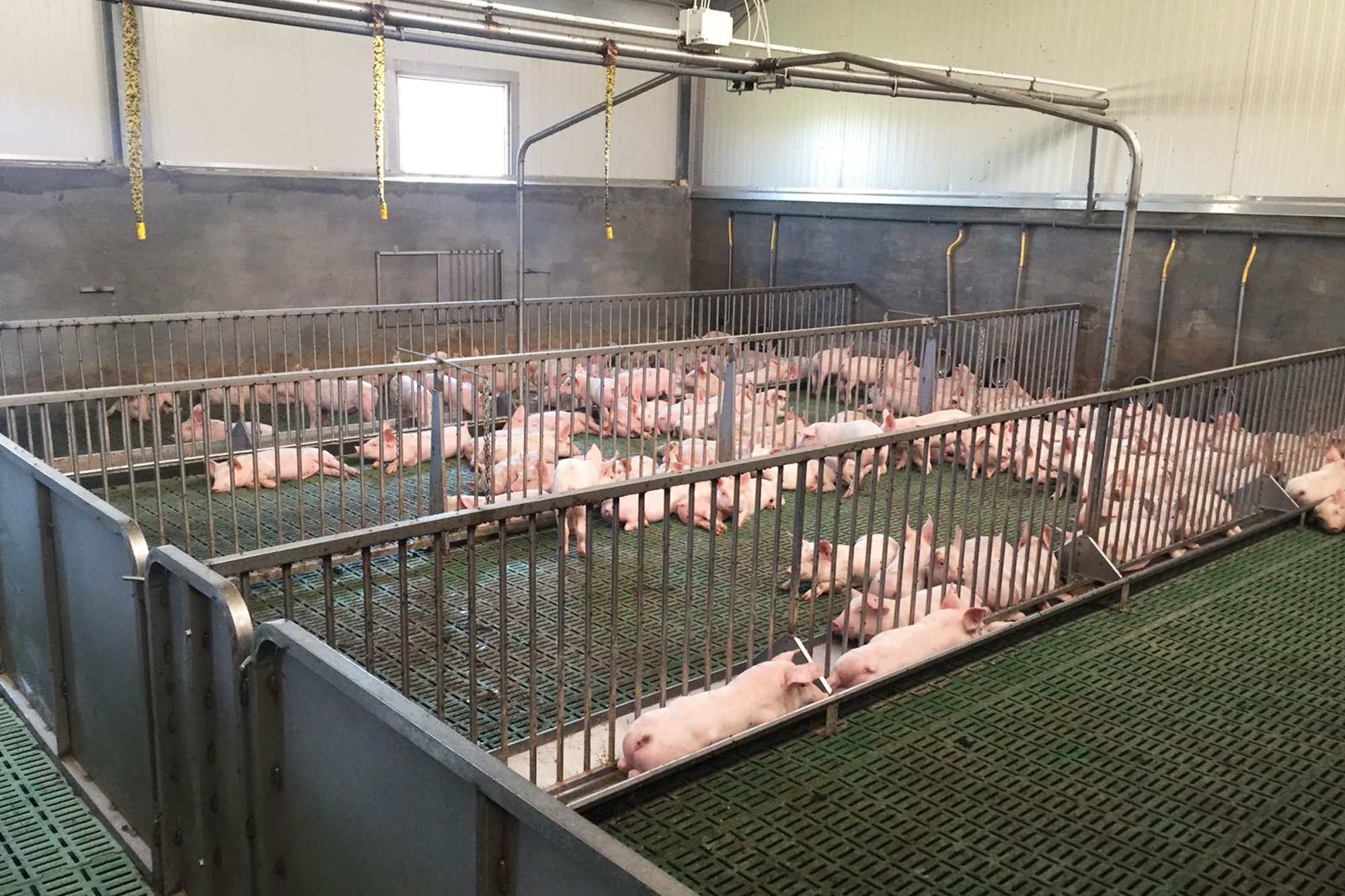
Group pens with plastic slatted flooring
The most effective housing solution for ensuring stable microclimatic conditions, which are essential for the growth potential of weaned piglets to be fully expressed, is represented by group pens with plastic slatted flooring, which may vary in slot width and material, with microclimate management handled through computerized systems.
Environmental control is fundamental and is ensured by dynamic ventilation (up to approximately 50 air changes per hour) and by heating systems, which may be:
- Radiant heating, generally using hot water, with finned aluminum elements to increase the heat exchange surface.
- Contact heating (conduction), through heated modules integrated into the flooring (nest area), which transfer heat by direct contact with the animal during the early weaning stages.
Both solutions can also be integrated, combining ambient air heating with direct piglet heating, for more precise and effective thermal control.
PIGLET GROWTH PENS
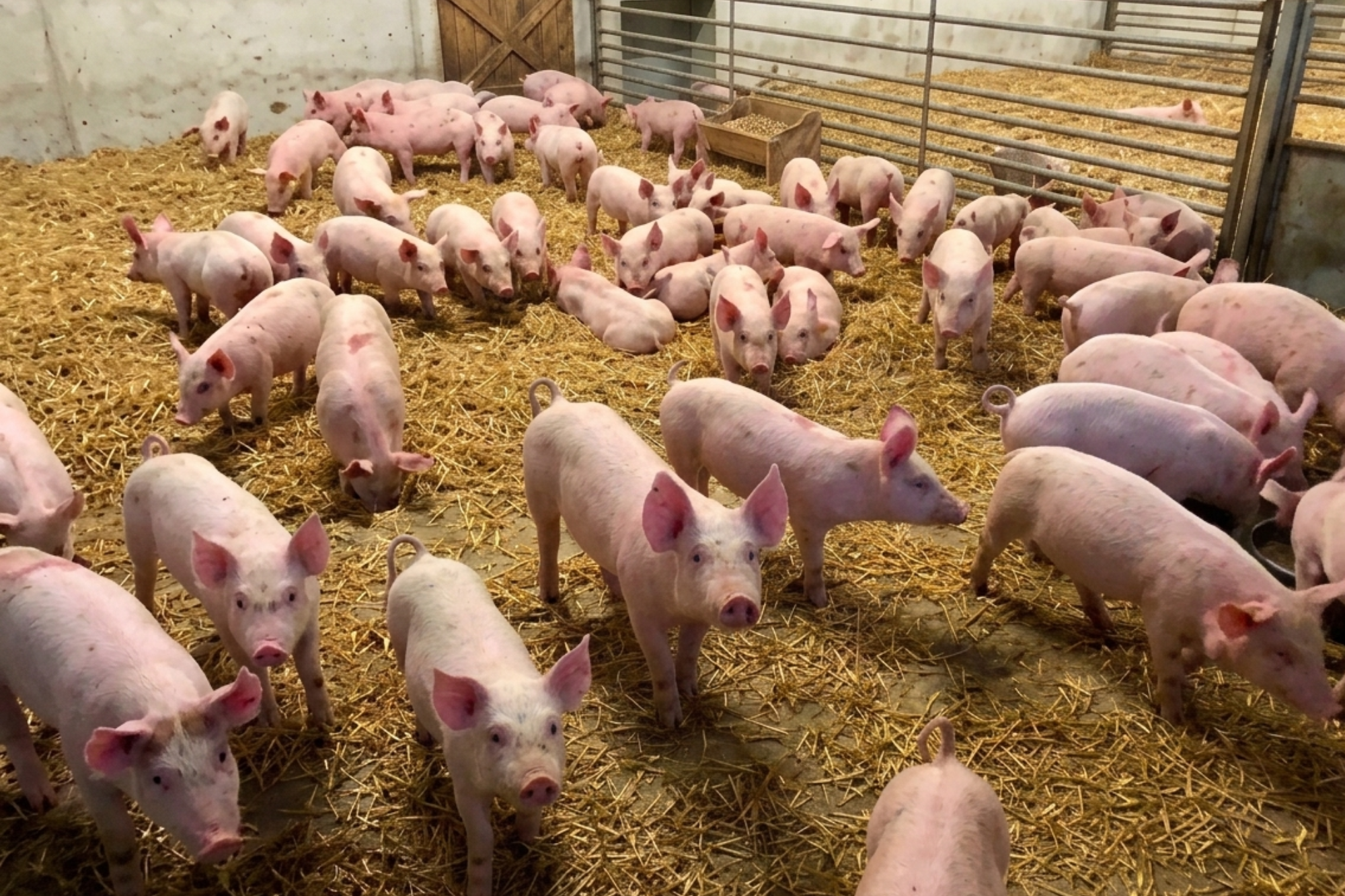
Group pens with slatted flooring
In addition to slatted flooring, the pen can also be designed with straw bedding. This housing system undoubtedly provides a higher level of animal welfare than the former alternative, but it also involves greater manual labor, specific equipment for handling the resulting manure, and higher temperatures during the summer period. Moreover, since straw-based systems are usually managed with larger groups than slatted-floor pens, visual control over the growth conditions of the animals is reduced.
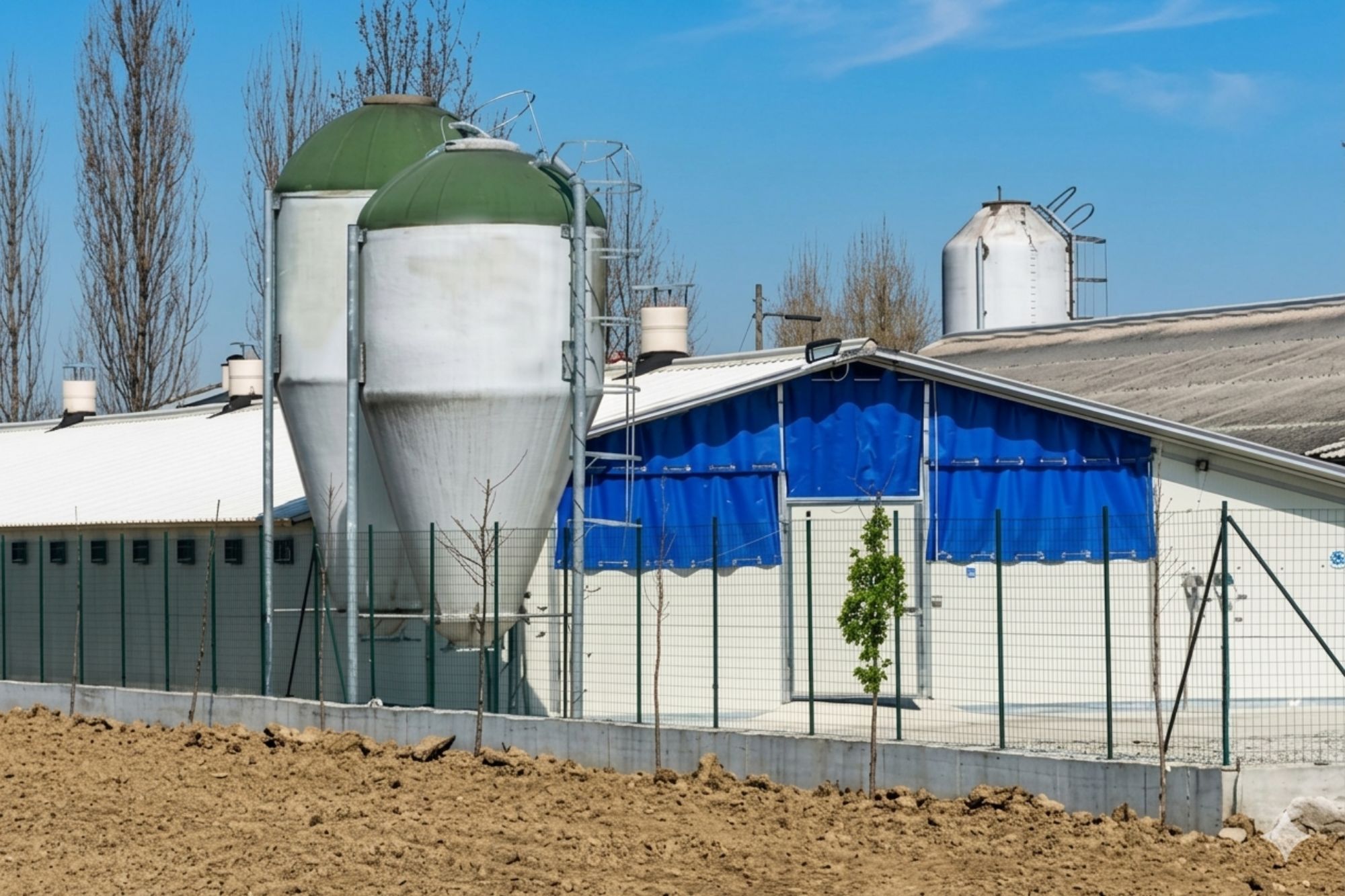
SELF-SUPPORTING OUTDOOR BOXES
Early Weaning Section
For emerging early weaning techniques, Rota Guido offers solutions with self-supporting outdoor boxes. The availability of particularly protected resting areas with controlled temperature makes it possible to provide ideal conditions both during rest and during movement and feed intake phases. The adoption of differentiated temperatures between the shelter area and the resting area encourages greater feed intake, which is then assimilated in areas maintained at the optimal temperature.
The benefits are twofold:
- reduced heated volumes and improved energy efficiency;
- better weight gains and feed conversion ratio
ADVICE
Request a consultation
Please do not hesitate to contact us
Rota Guido’s technical and sales team is at your complete disposal for any enquiries or information you may require