PIGS
Microclimate control as a production factor
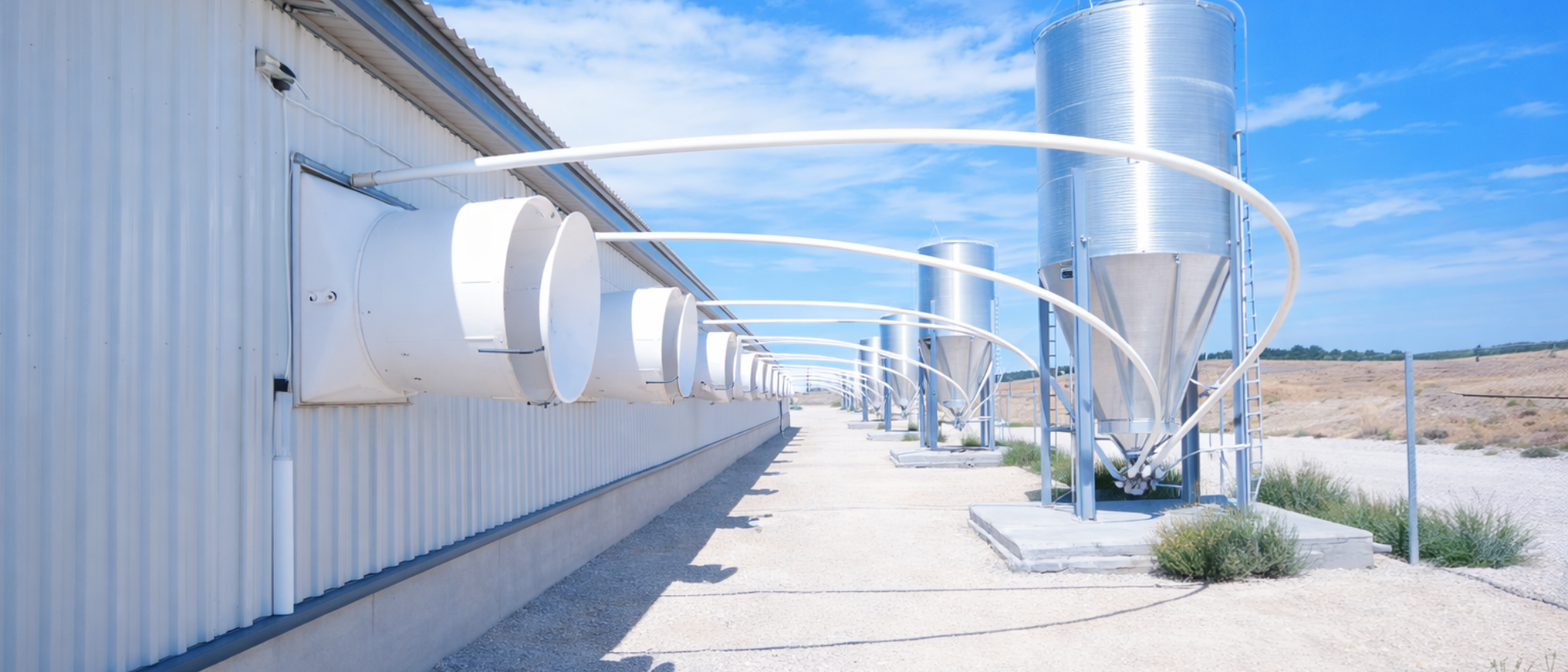
Ventilation is not simply air exchange: it is an integrated system that regulates temperature, humidity, air speed and environmental quality.
AIR DISTRIBUTION AND EXCHANGE
Criteria for an informed choice
The choice of ventilation system depends on various factors, including geographical location, animal category and the farming technique adopted. Depending on these variables, it is possible to opt for two main solutions, which differ in investment and effectiveness in microclimate control: natural ventilation and dynamic ventilation.
VENTILATION SYSTEMS
Natural ventilation
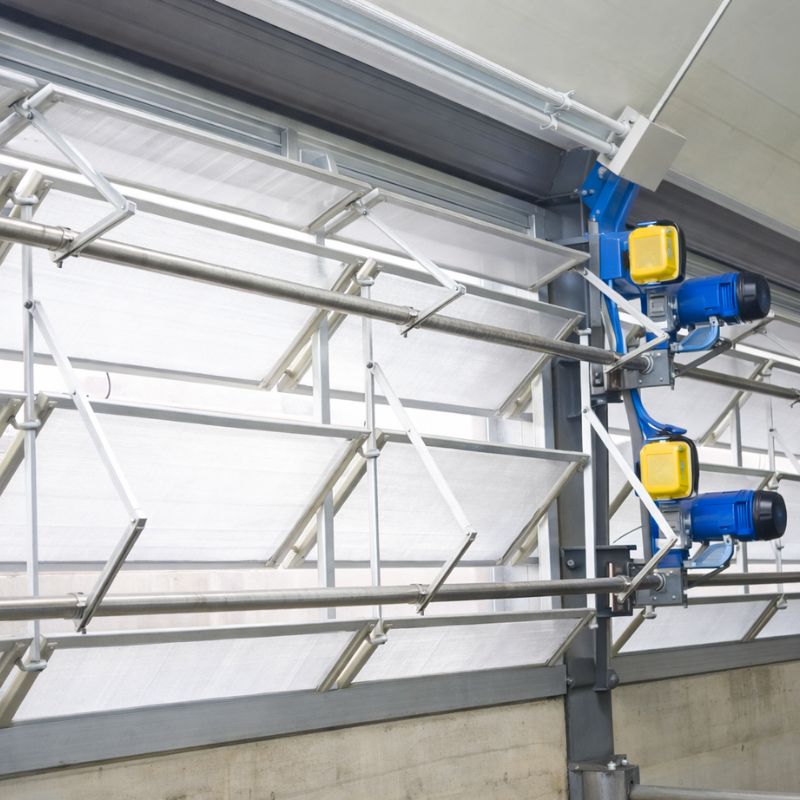
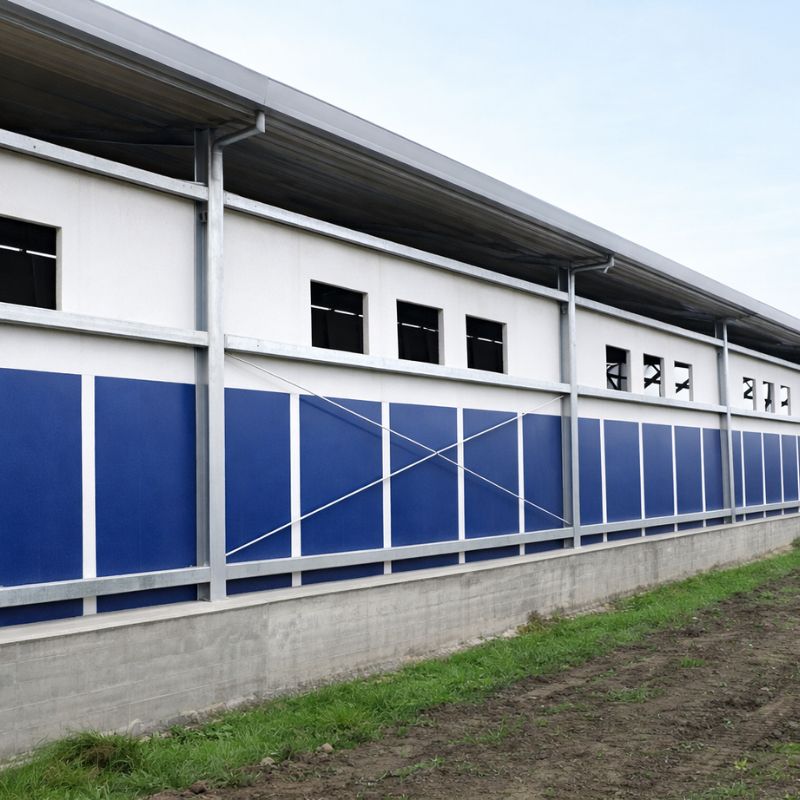
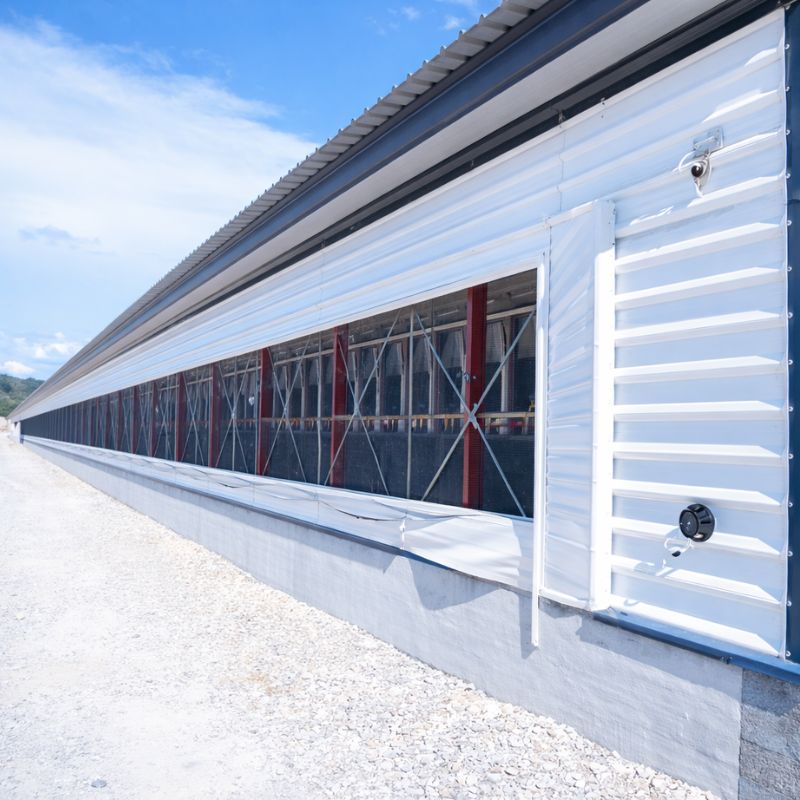
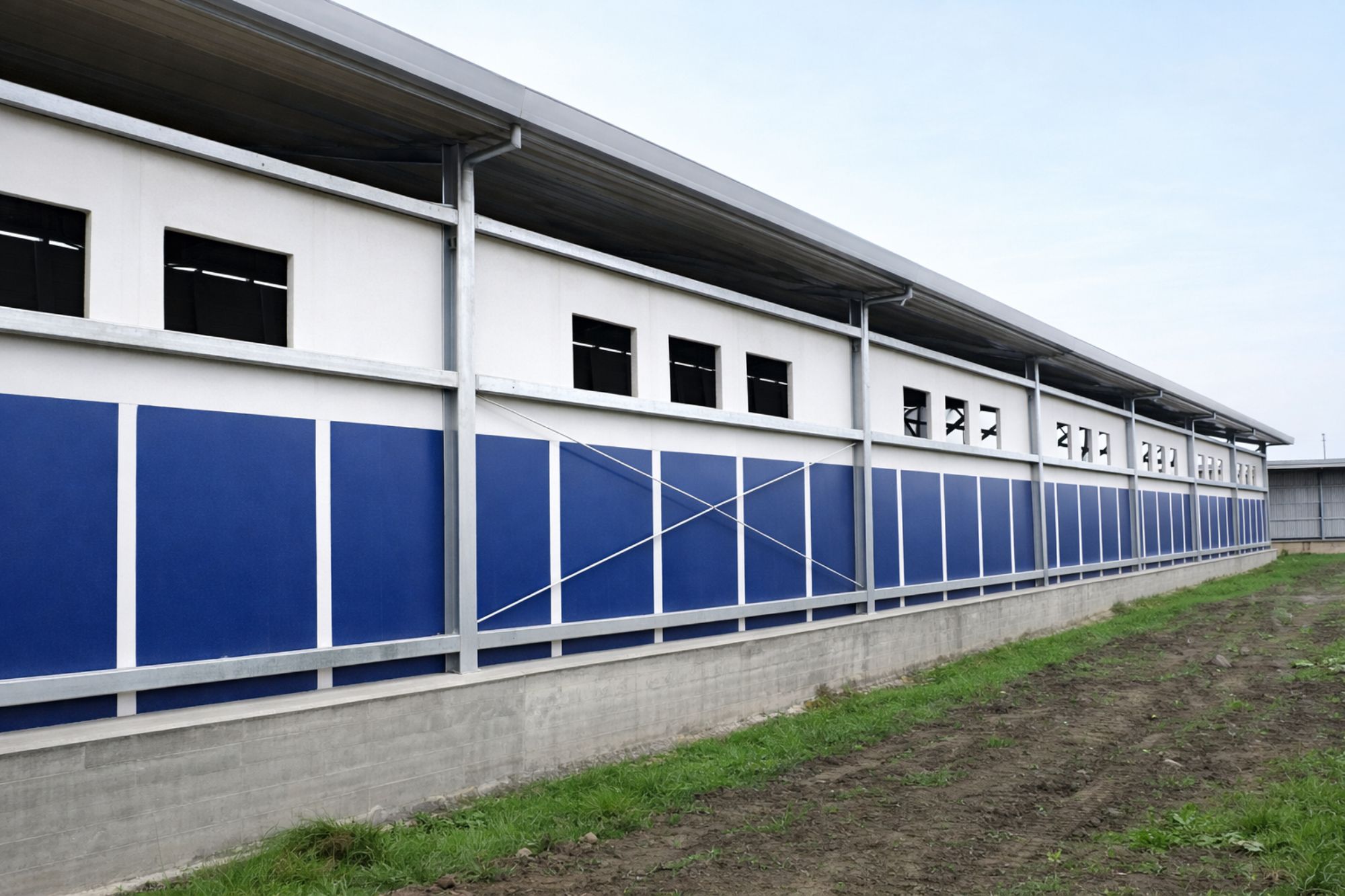
Recommended mainly for pigs over 30 kg and usable with care also for gestating sows, natural ventilation exploits the convective motions generated by the temperature difference between inside and outside. Its effectiveness increases as this differential grows, but it does not allow constant control of environmental conditions, because it depends on external factors (temperature, humidity, wind, building orientation, the orography of the surrounding area, positioning in a wooded context, etc.). For this reason, it is generally adopted in growing and fattening farms, or in systems that provide pigs with access to open spaces.
VENTILATION SYSTEMS
Dynamic ventilation
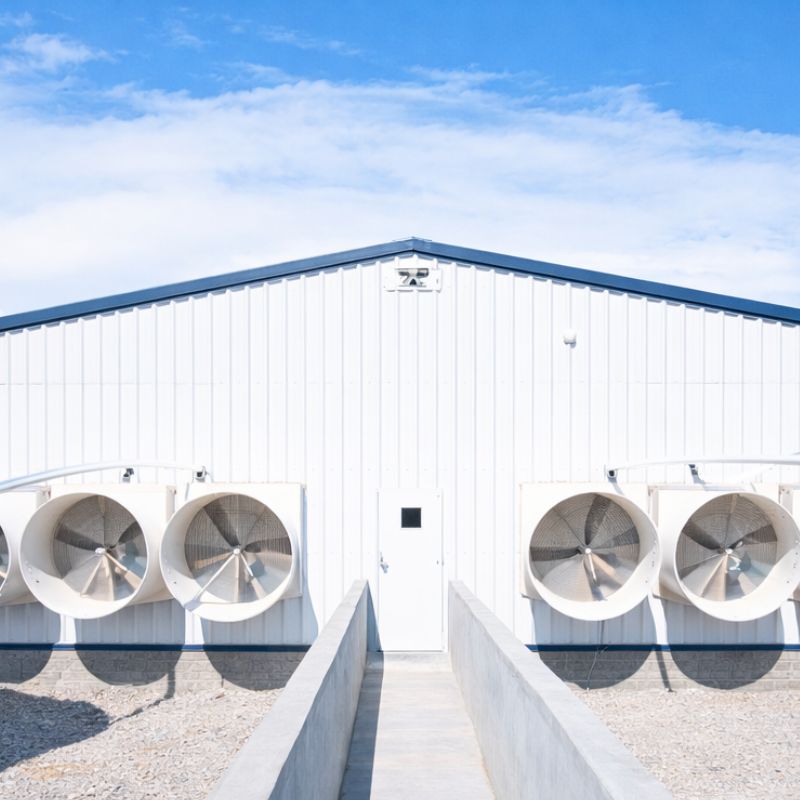
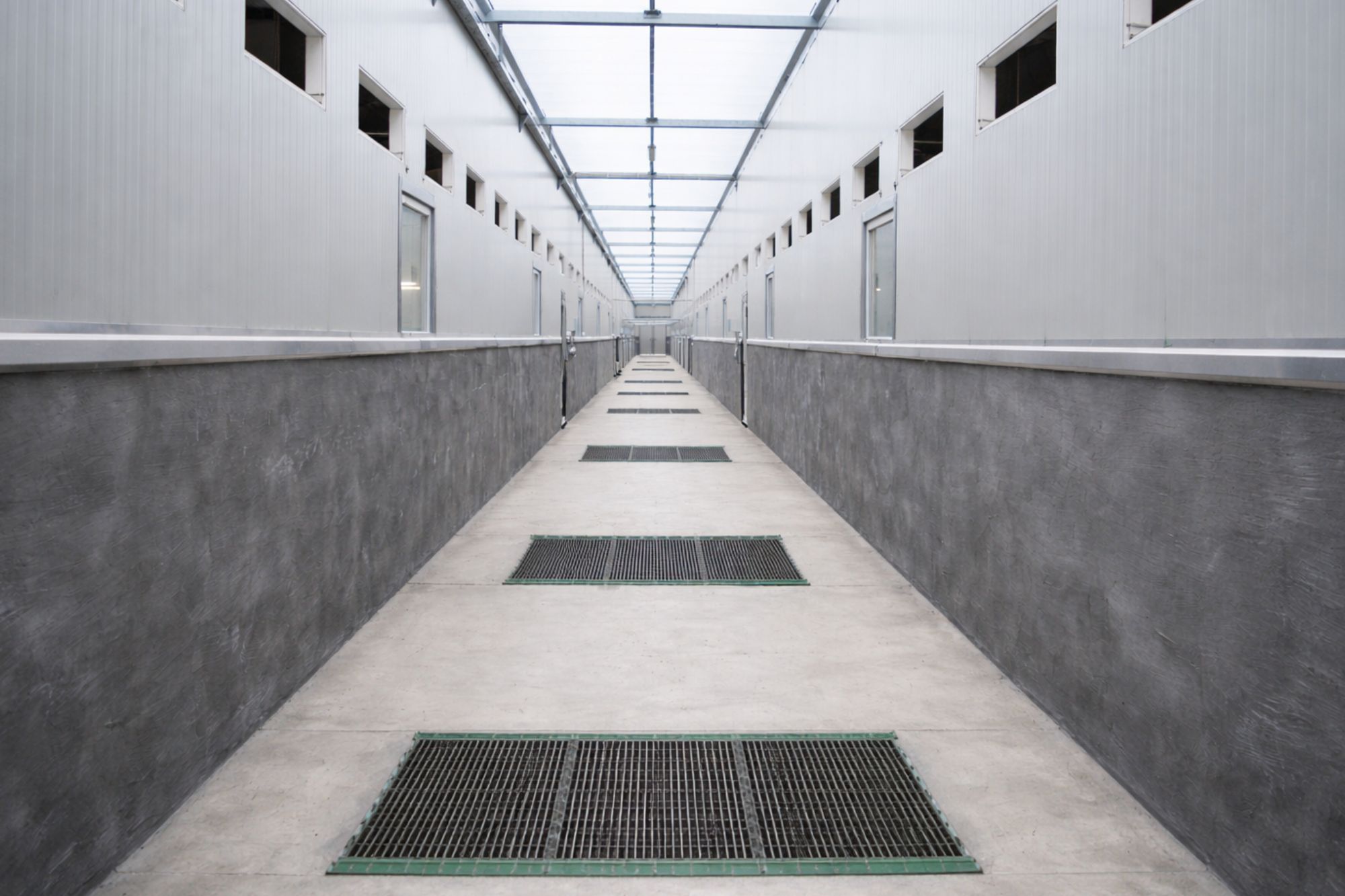
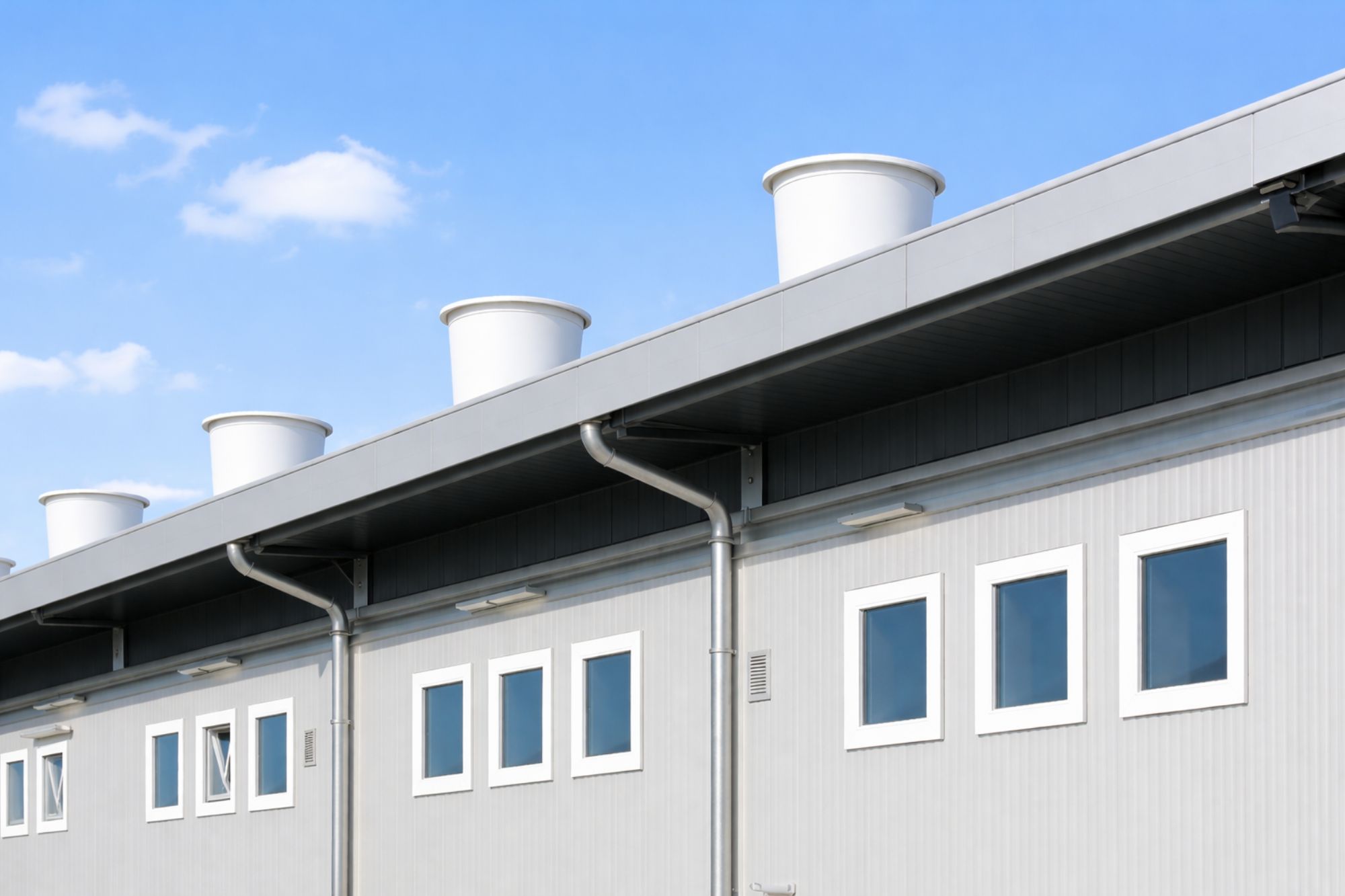
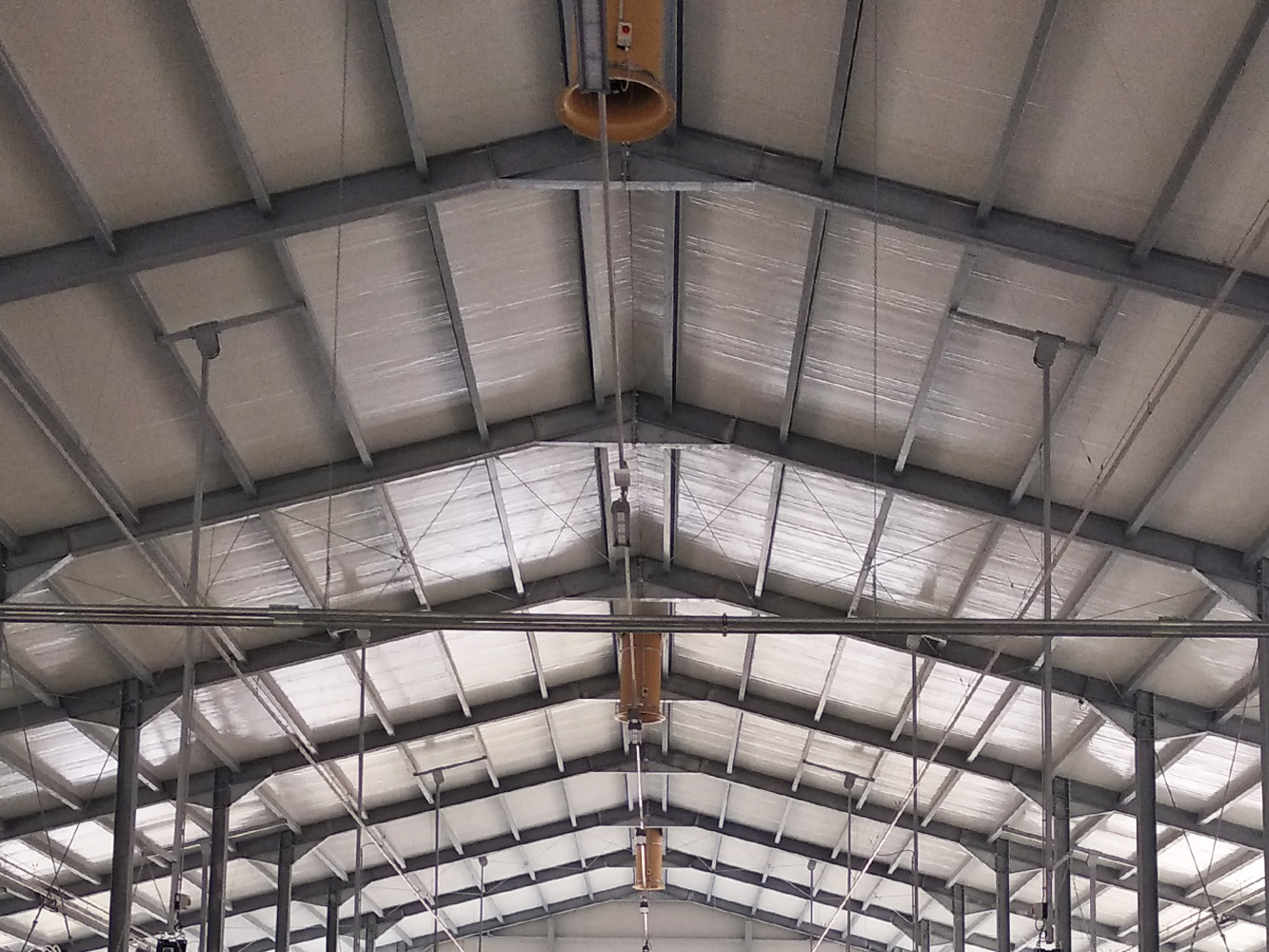
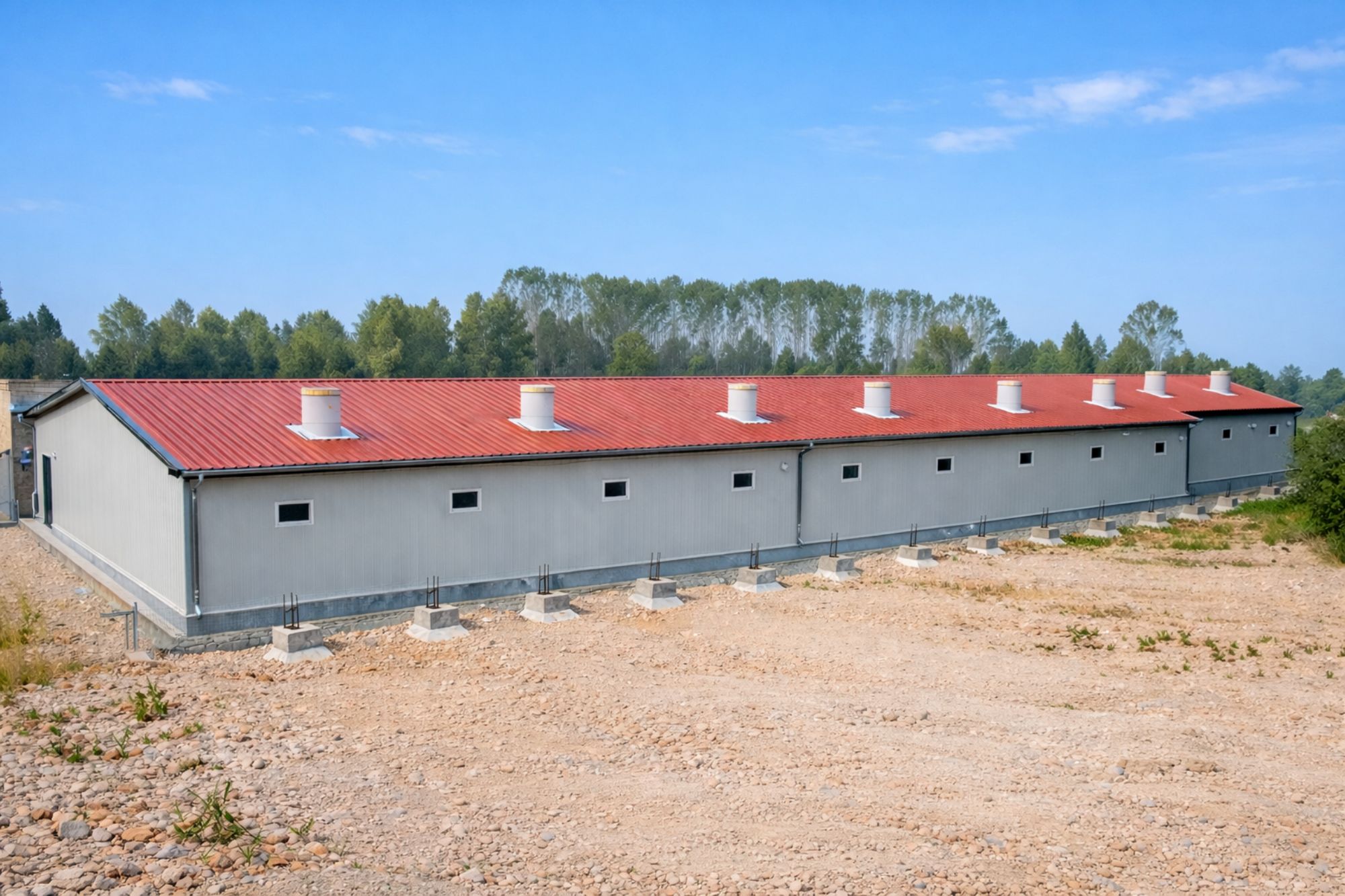
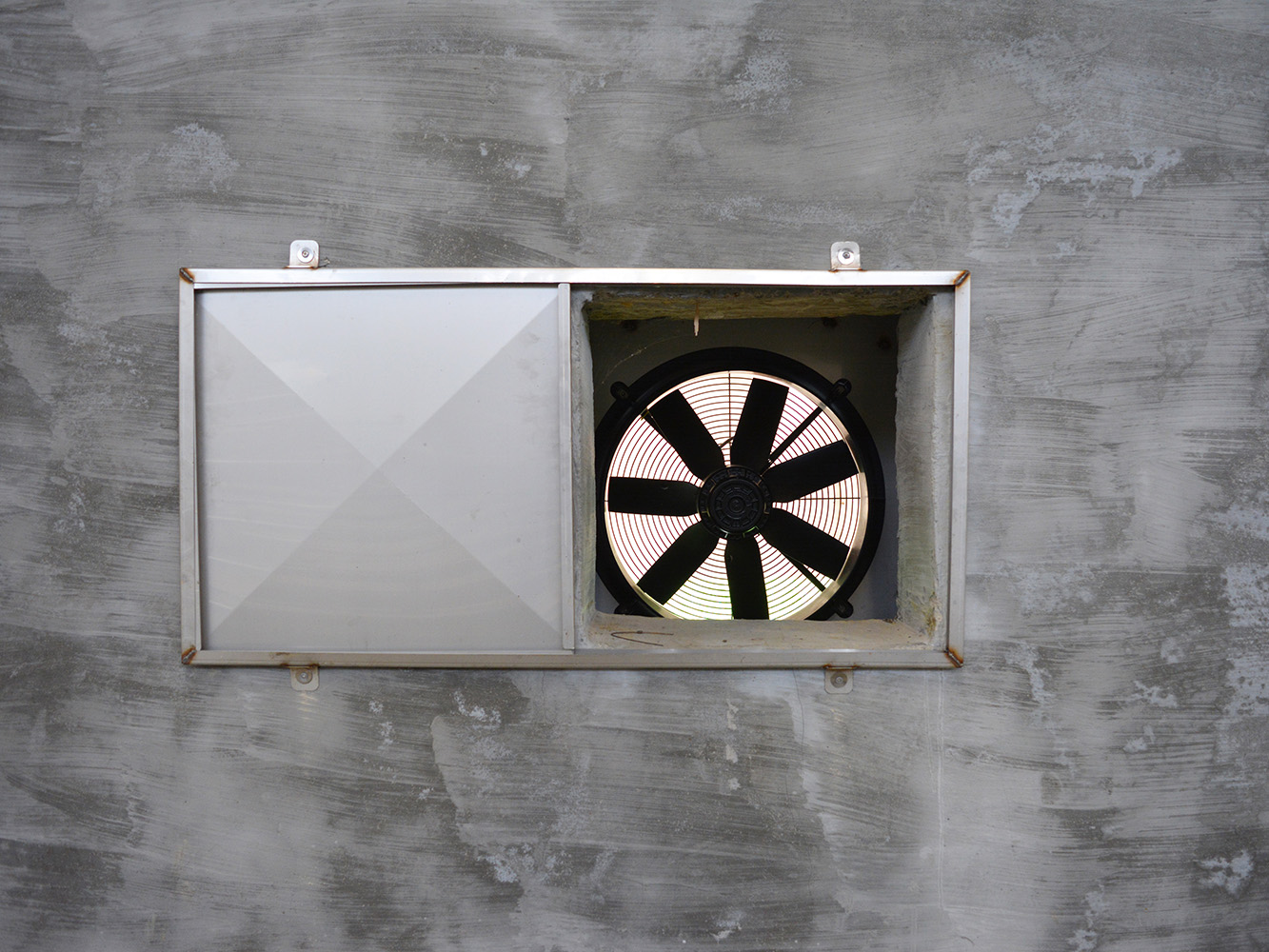
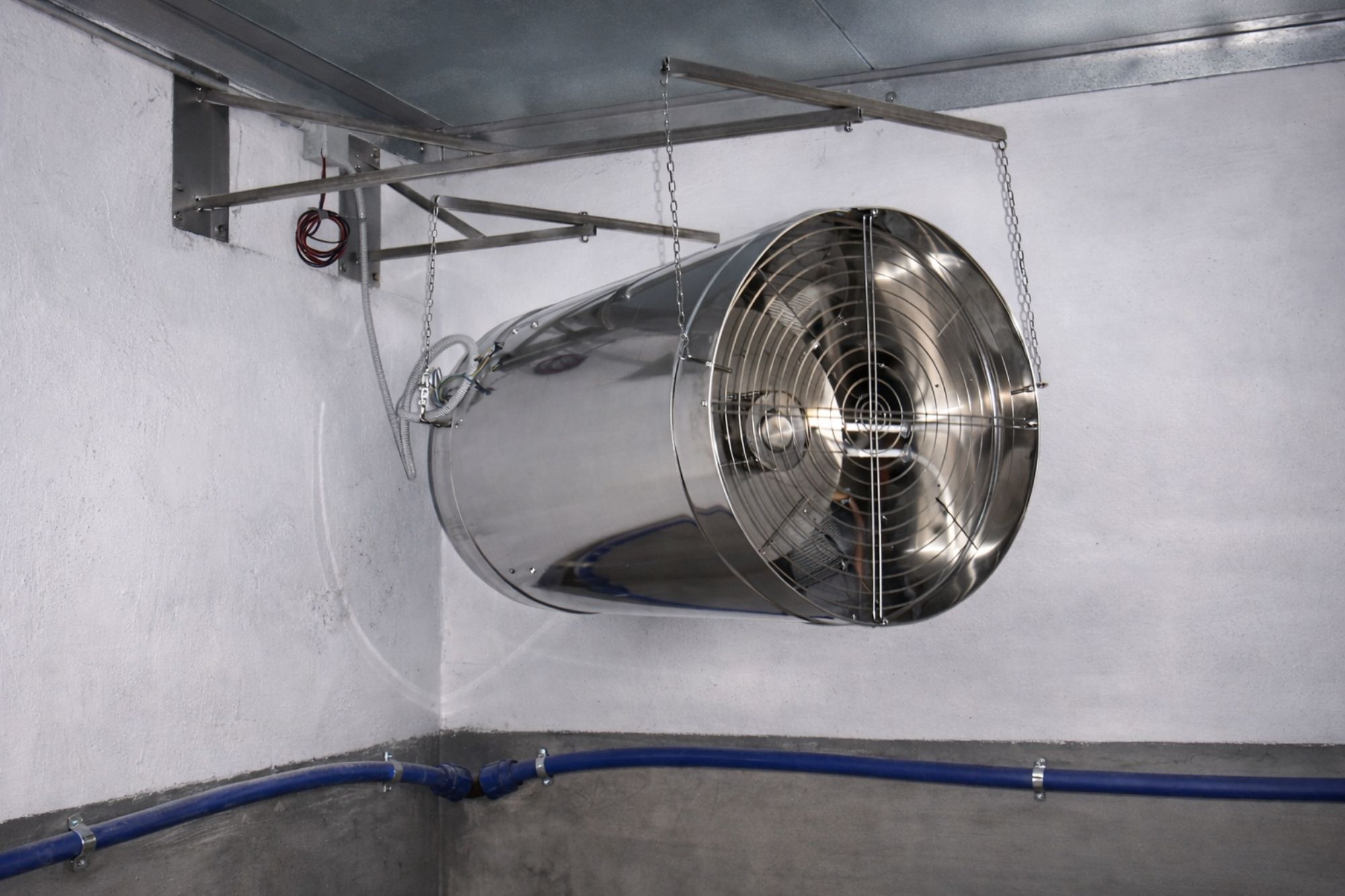
Dynamic ventilation, adopted in the most sensitive departments (farrowing, weaning, insemination, boars and gestation in warm climates), is an active negative-pressure system based on extractors (wall-mounted or chimney) managed by electronic control, which modulates the airflow rate according to the difference between set and actual temperature. Fresh air enters through aerodynamic inlets self-regulated by the negative pressure (≈3–5 Pa), ensuring correct air throw. When air exchange alone is not sufficient, auxiliary systems intervene: adiabatic cooling or heating. In winter, minimum ventilation controls humidity and gases (CO₂, NH₃), preventing condensation; in summer, it keeps the internal temperature close to the external one.
The design of the building envelope is crucial: structures sized with calculation models for ventilation and insulation, free from thermal bridges and with thermally broken walls, to reduce consumption and guarantee drier, more stable bedding.
FURTHER SOLUTIONS FOR AN IDEAL MICROCLIMATE
Dust and odour abatement
The issue of the compatibility of rational livestock farming with non-agricultural settlements (residential or industrial) is more relevant than ever today and cannot be overlooked when designing livestock housing. Rota Guido offers two levels of effectiveness for reducing atmospheric emissions, both for dust and for gases.
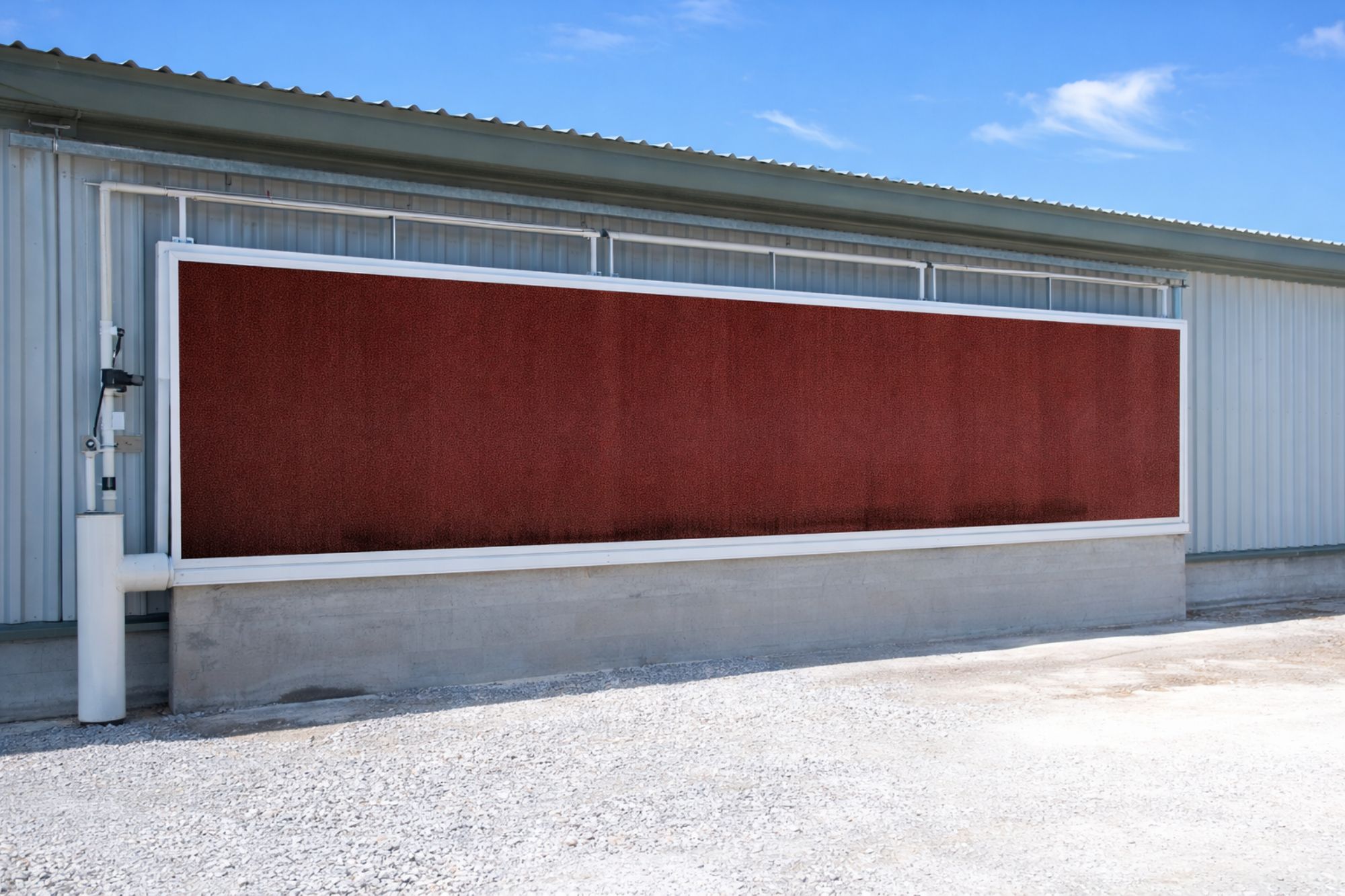
DUST ABATEMENT
Barrier for the controlled diffusion of dust (BAT13c)
This consists of creating a physical barrier downstream of the emission points (wall-mounted extractors) to divert the outgoing air and deflect it upwards, thus allowing it to disperse and slowing its spread in the lower layers, while also reducing dust concentration. It is a technique applicable only, and reasonably so, in the case of tunnel ventilation and it is effective only in controlling the diffusion of dust, while it is substantially ineffective in capturing gases (mainly ammonia).
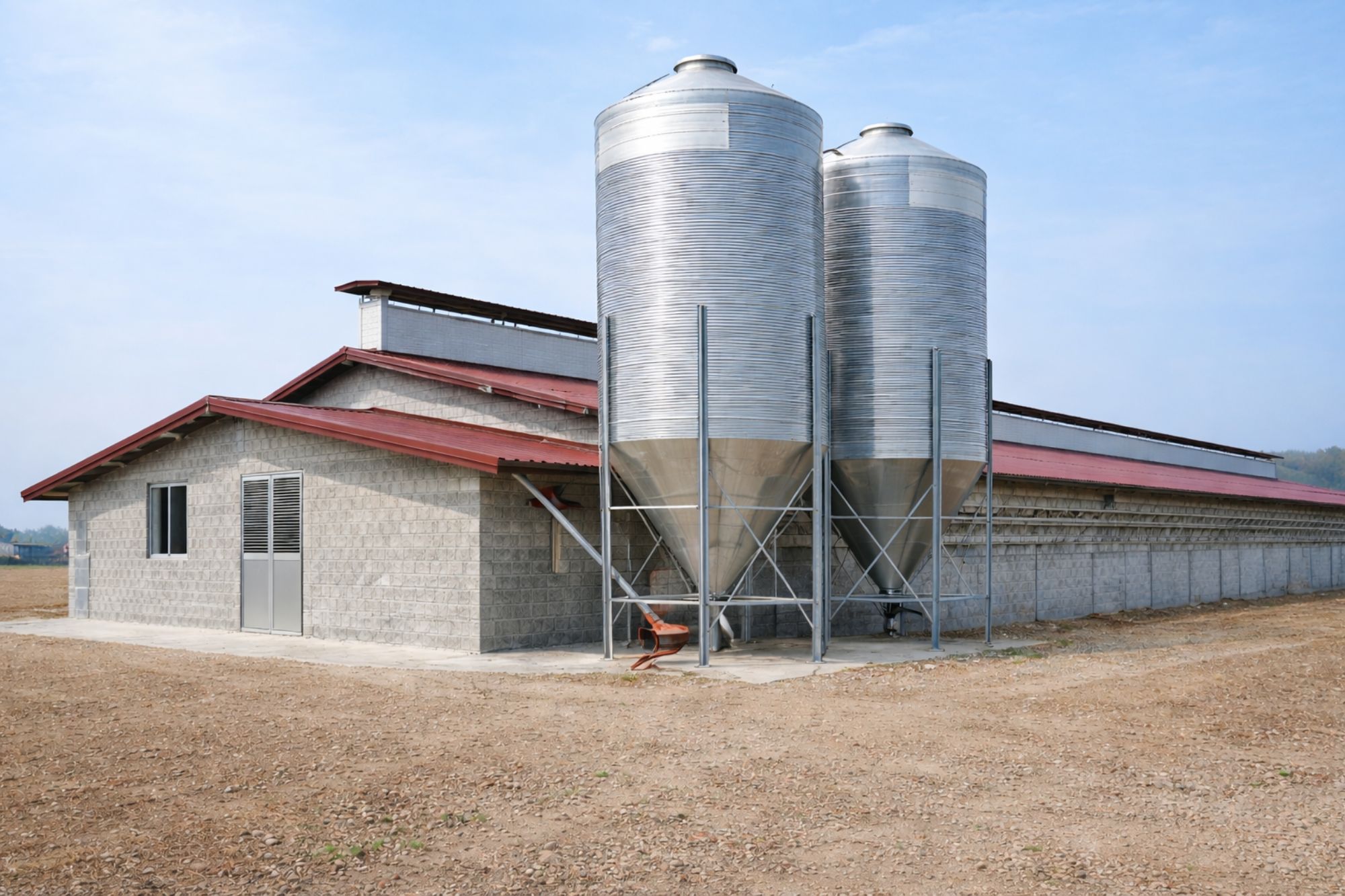
ODOUR ABATEMENT
Air scrubbing (BAT13d)
This is a real system essentially consisting of a wet plenum with the spraying of nebulised and treated water, whose function is to wash the air which, pushed by the extractors forming the normal air exchange system installed in the farm, passes through the plenum transversely to the sprayed flow. In this volume, the dust is wetted by the water and is thus captured by the outlet filter barrier. As regards ammonia abatement, there are two levels of action: with or without additives. Without additives, ammonia abatement efficiency is around 20–25%, while by adding an acid solution (e.g. sulphuric acid) to the nebulised water, a reduction efficiency ranging from 50 to 80% can be achieved.
ADVICE
Request a consultation
Please do not hesitate to contact us
Rota Guido’s technical and sales team is at your complete disposal for any enquiries or information you may require.