CALVES
Weaning: guidelines for a smooth transition
Rota Guido offers a wide range of equipment and a selection of specific accessories to ensure the proper management of the delicate weaning and post-weaning phases.
BEST PRACTICES
Calf barns: where the future of livestock farming takes shape
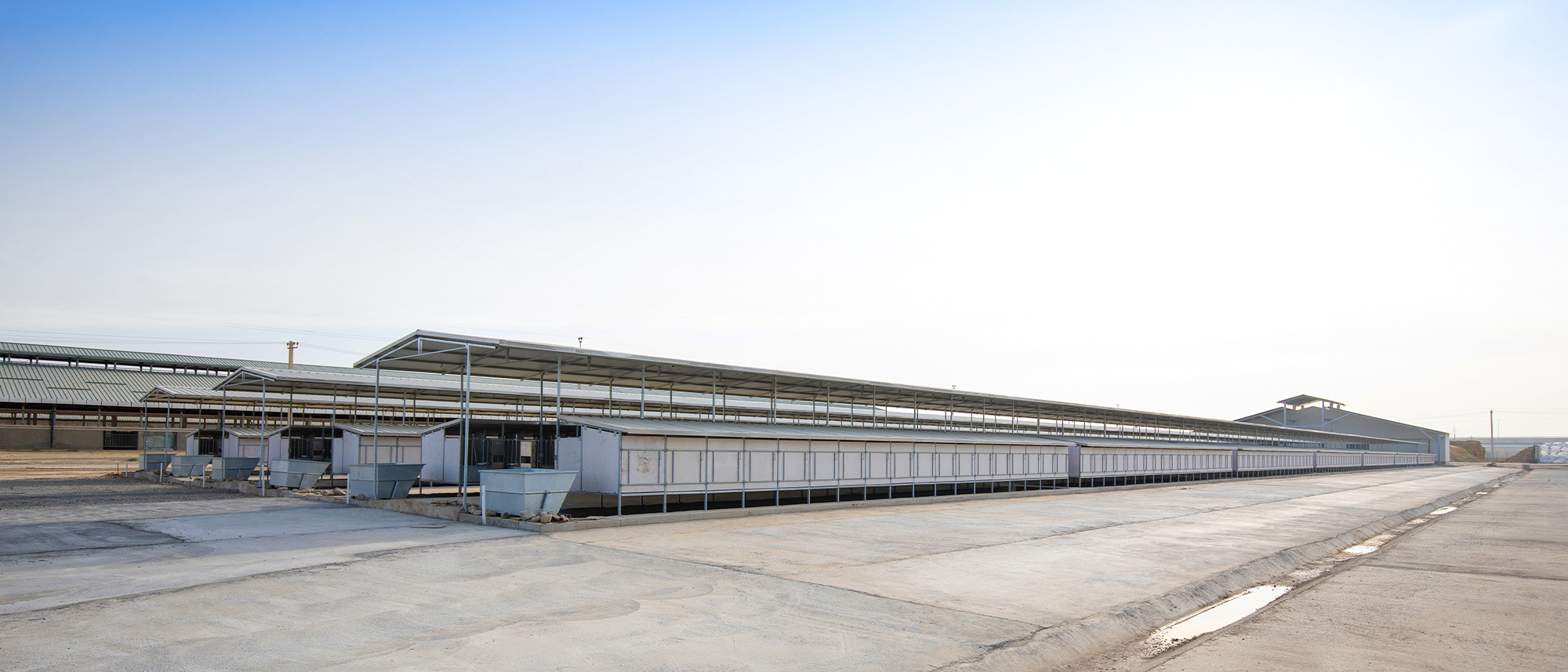
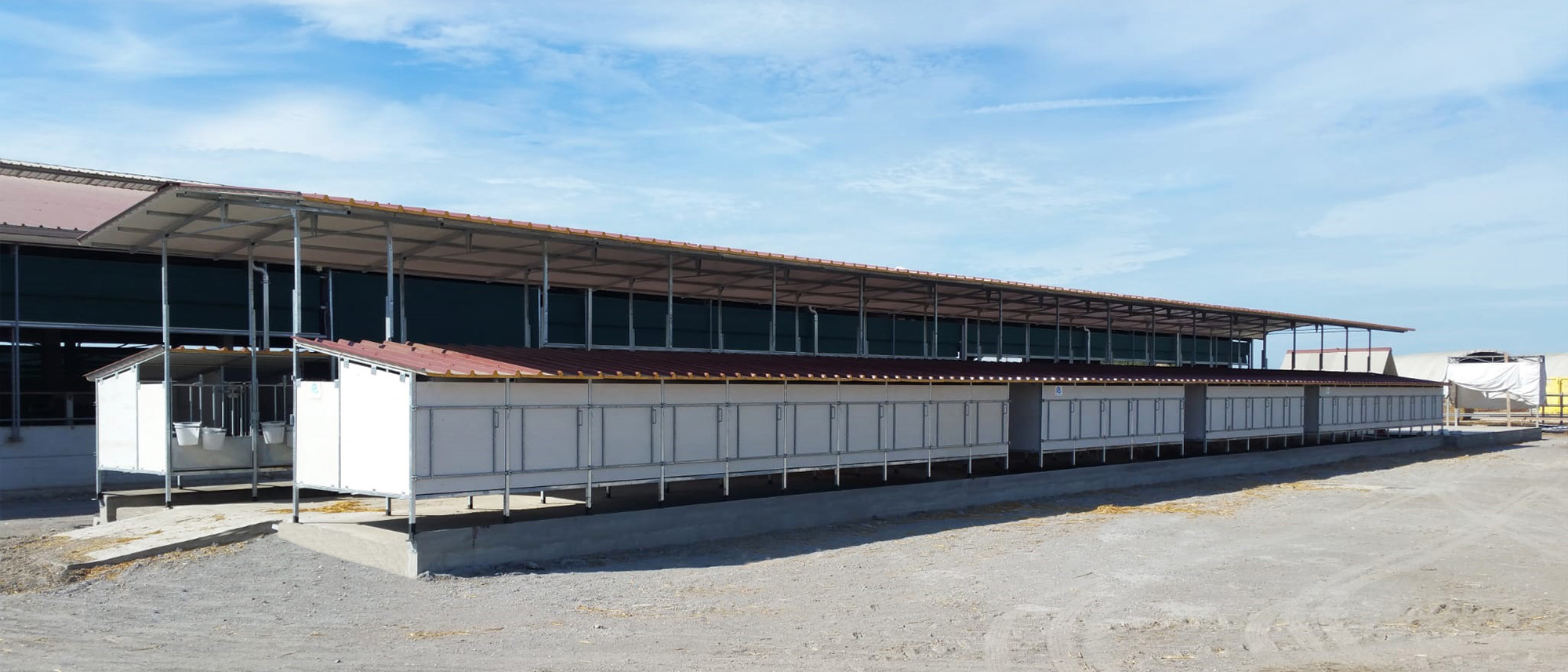
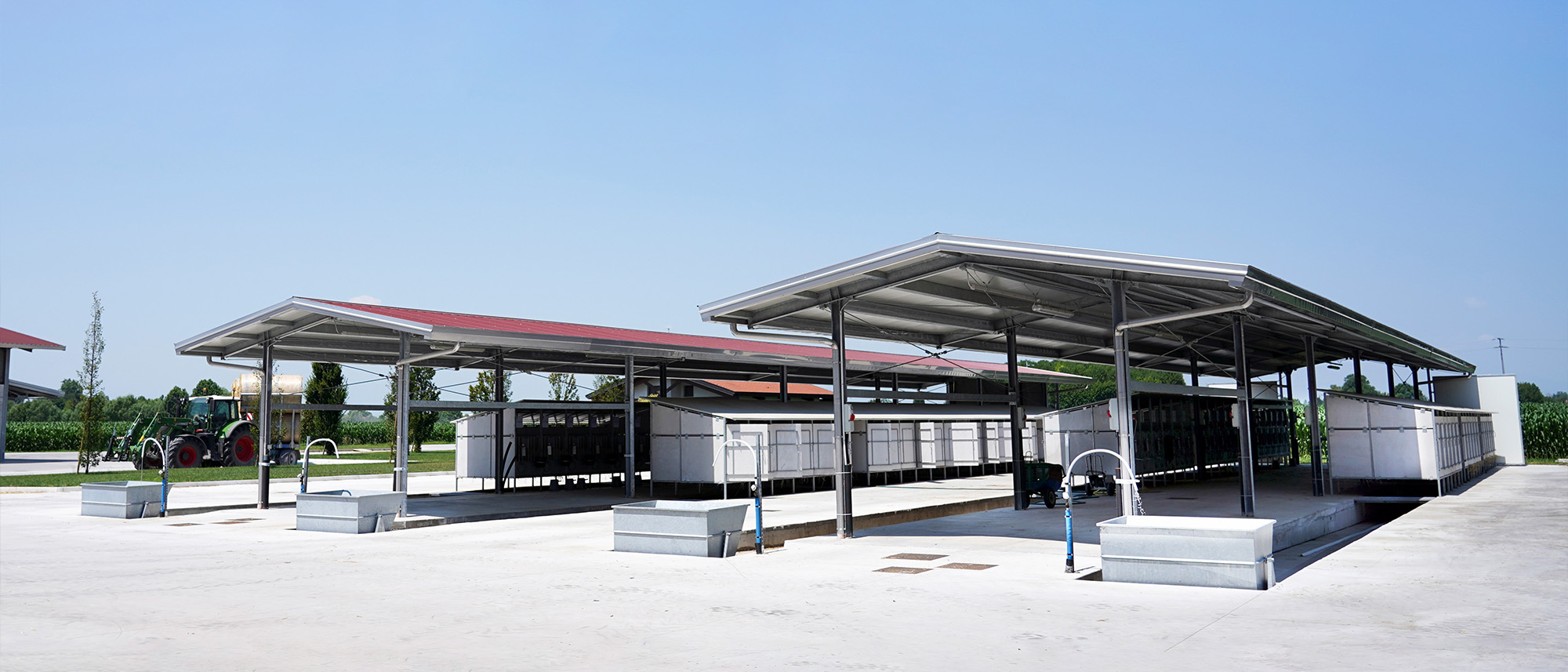
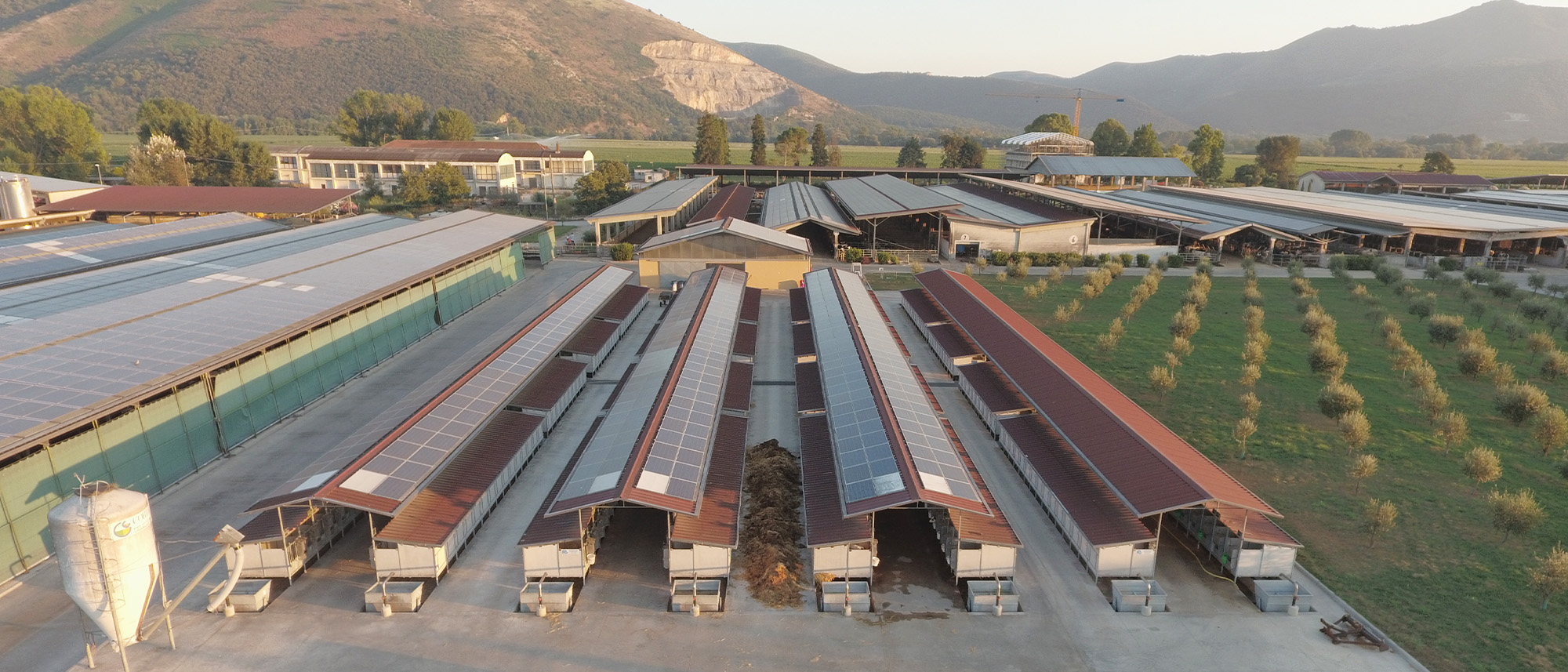
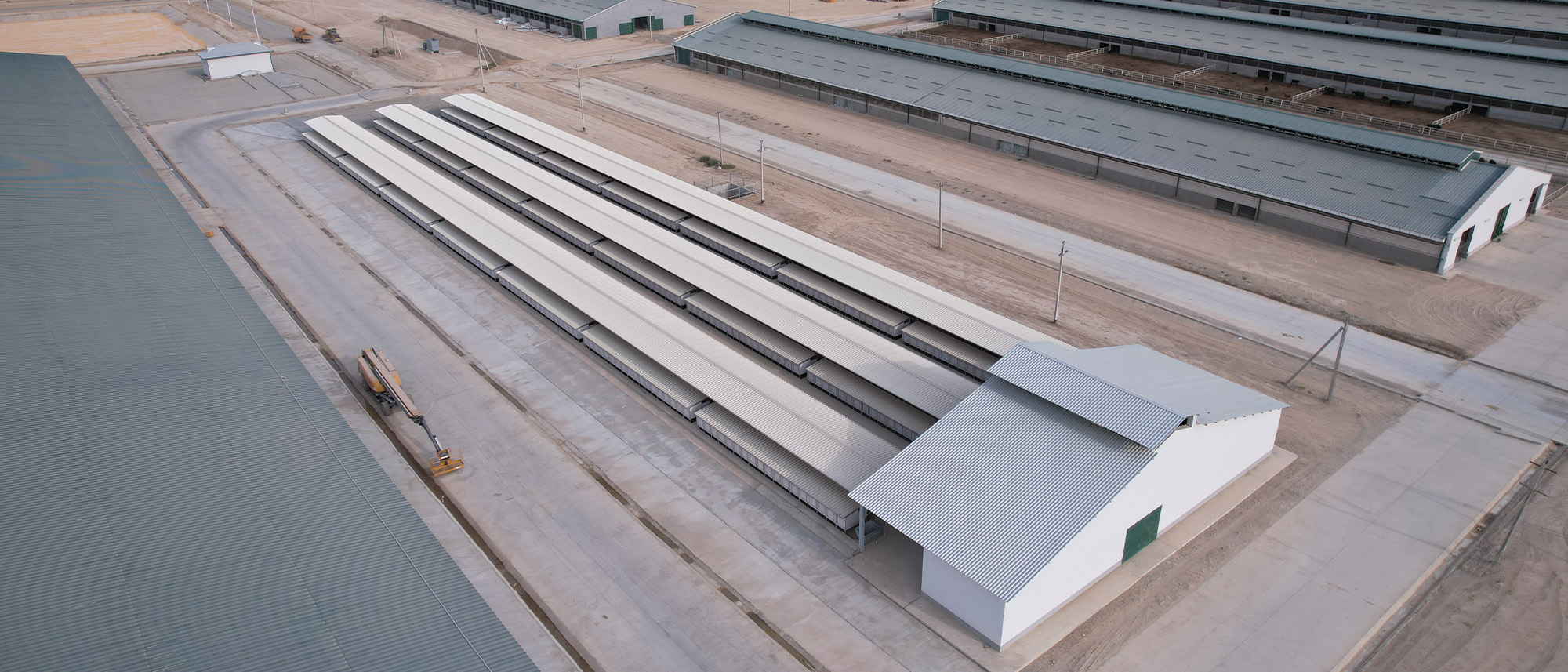
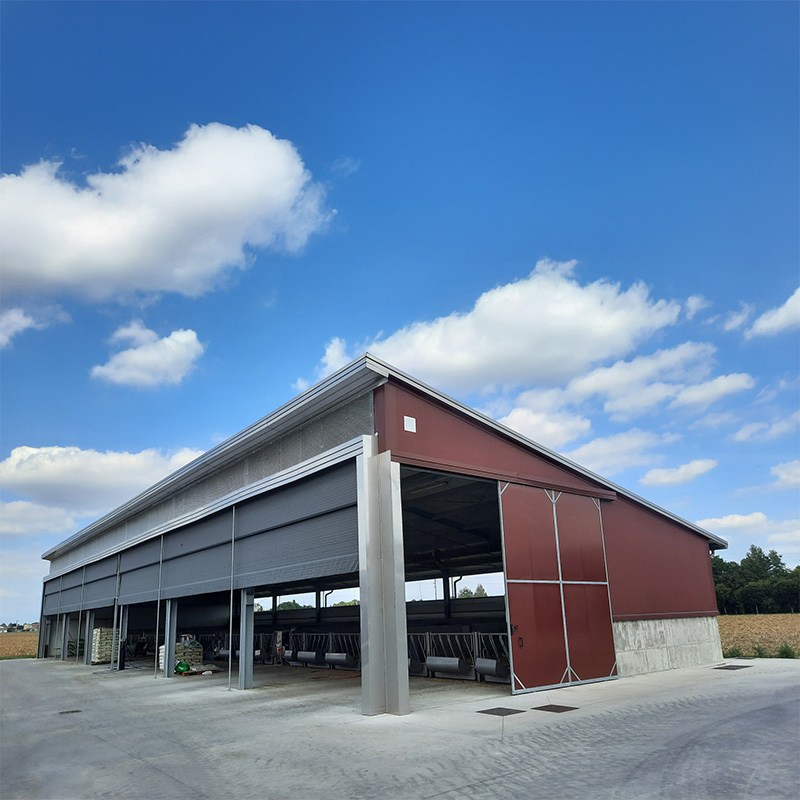
Calf rearing units are now central to the efficiency of livestock farming. Rota solutions, designed as complete and functional livestock housing, ensure optimal conditions right from the earliest stages of life, with weight gains of up to 900–1000 g/day, compared to the usual 600–700 g/day.
PHASE 1: CALF WEANING – INDIVIDUAL PENNS
The ideal solution for the first few weeks of a calf’s life
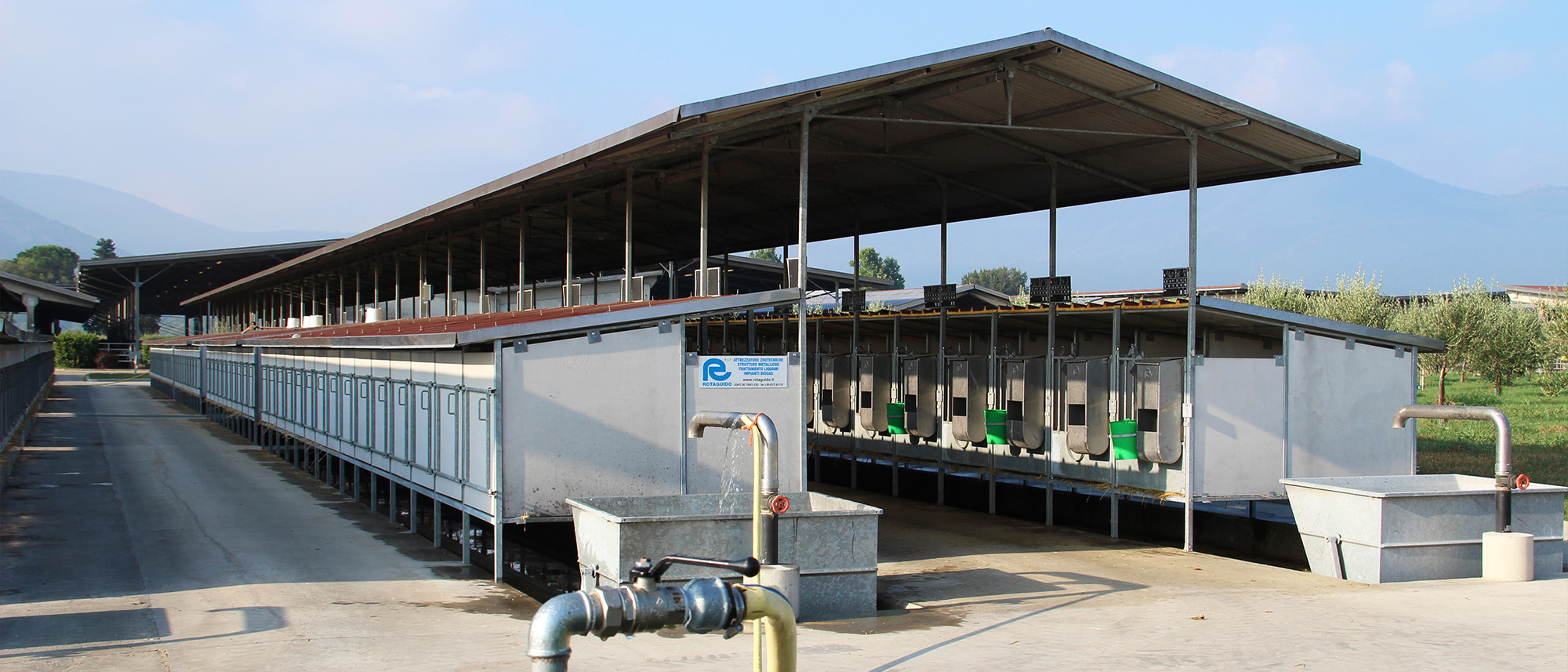
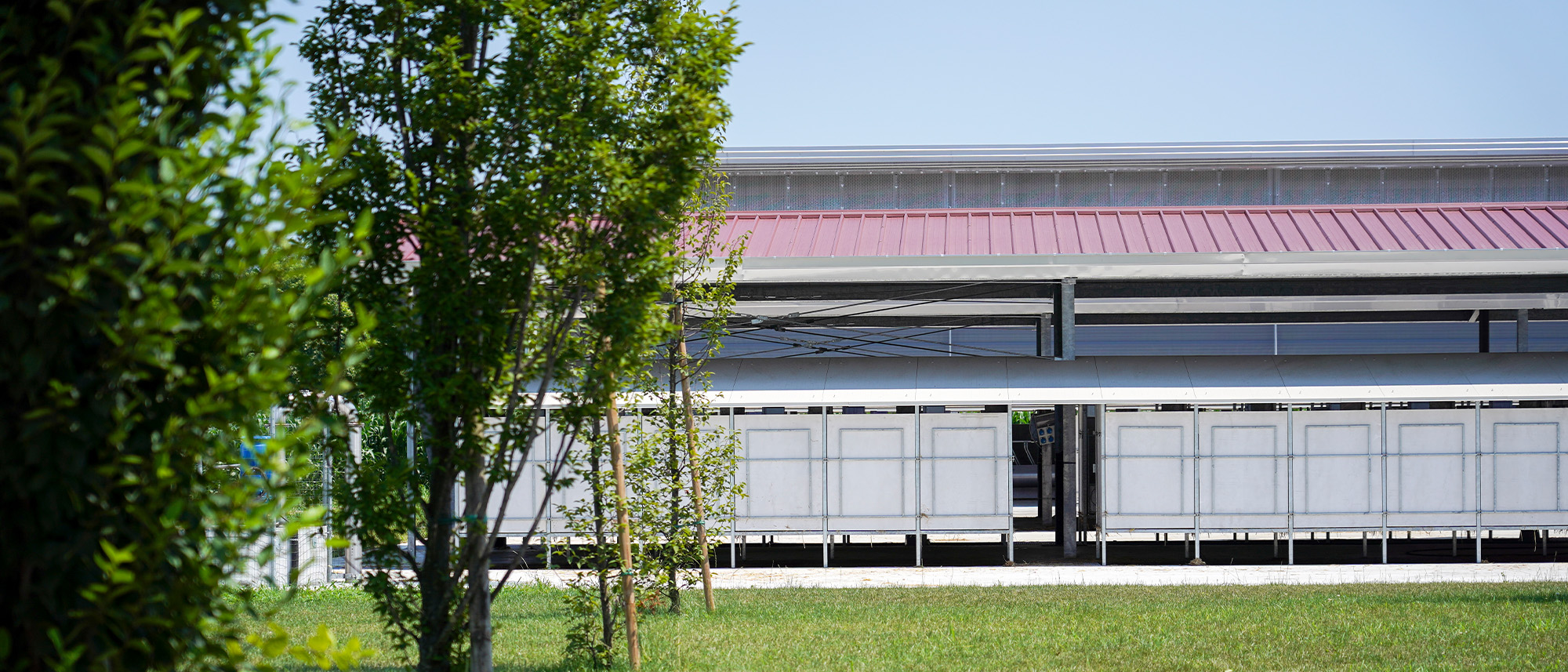
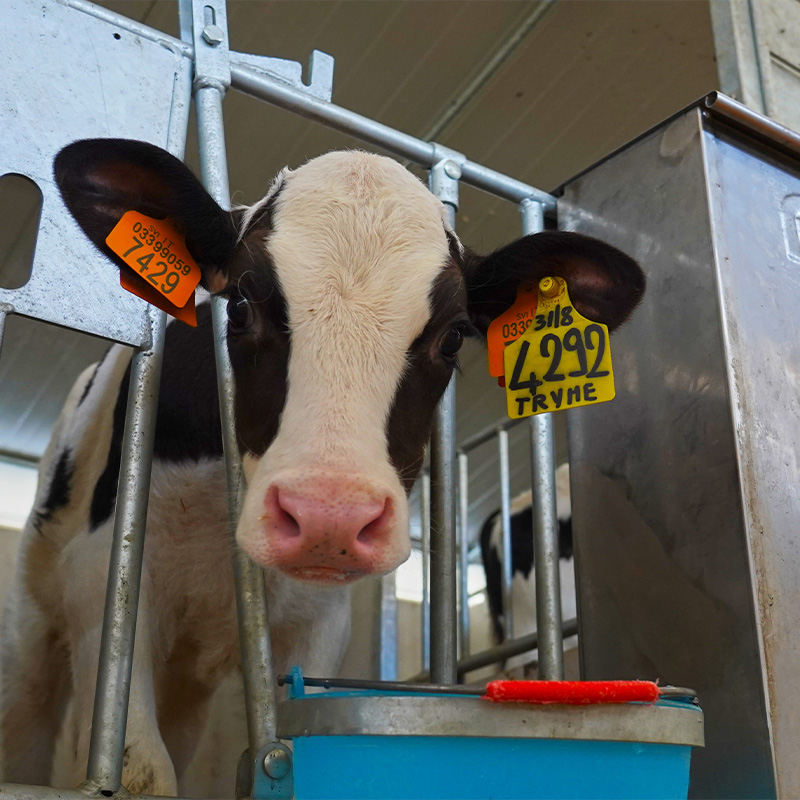
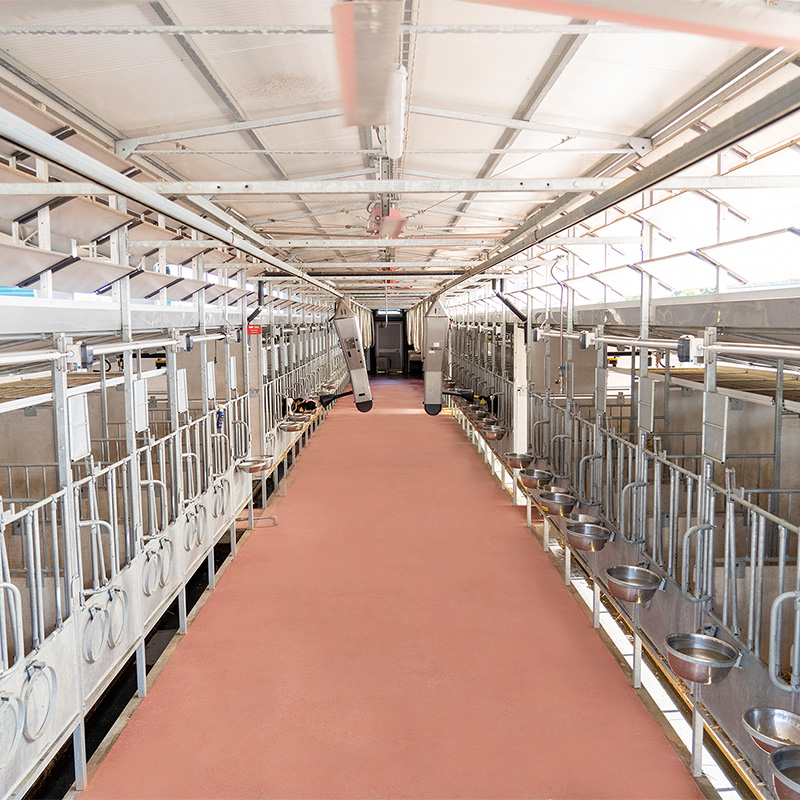
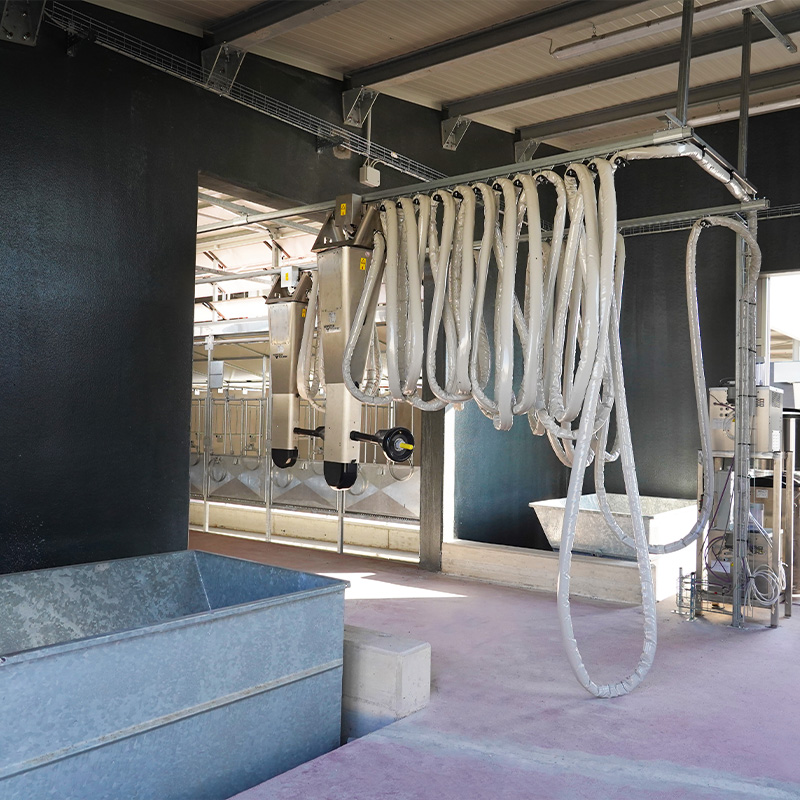
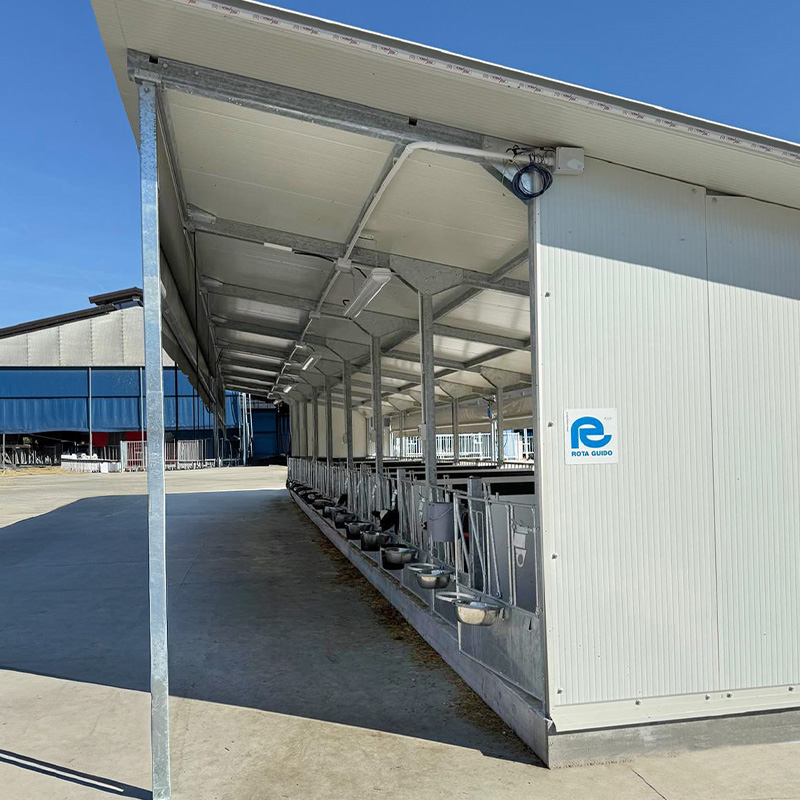
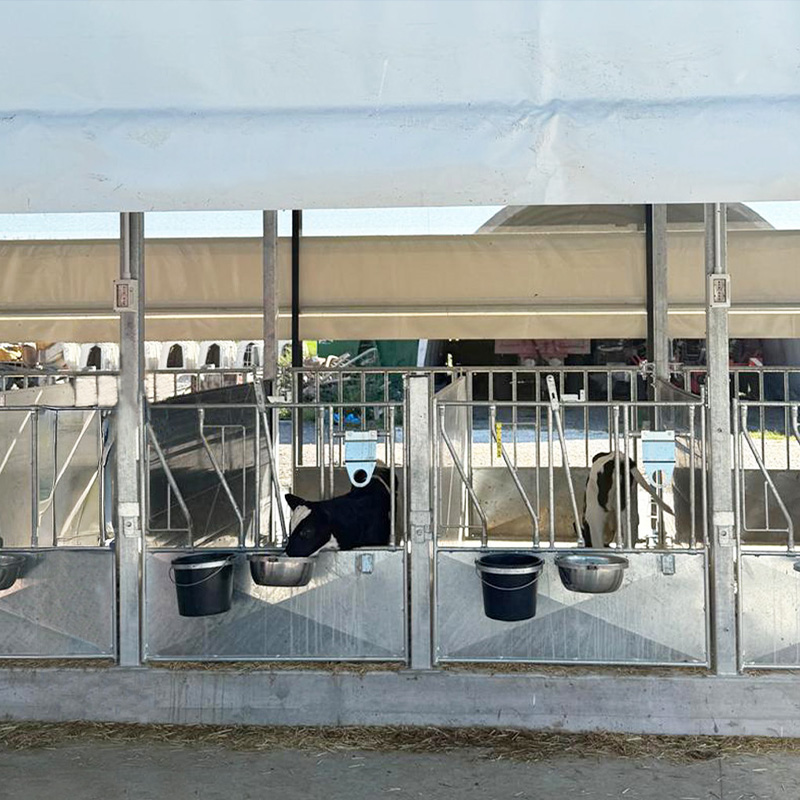
In the calf barn, single-cell weaning pens (8 weeks) provide at least 1.8 m² per animal and, thanks to the raised structure with slatted flooring and dry bedding, ensure optimal hygiene conditions. The partitions allow contact between calves organised into homogeneous groups, promoting bonding and management, whilst the openings facilitate cleaning and health checks. The pen is equipped with holders for milk, water and feed. A controlled microclimate (10–15°C), supported by summer ventilation, improves welfare and feed intake. Under these conditions, average daily weight gains of 900–1000 g are achieved.
STAGE 2: CALF WEANING – GROUP PENNS
Where the post-weaning phase begins
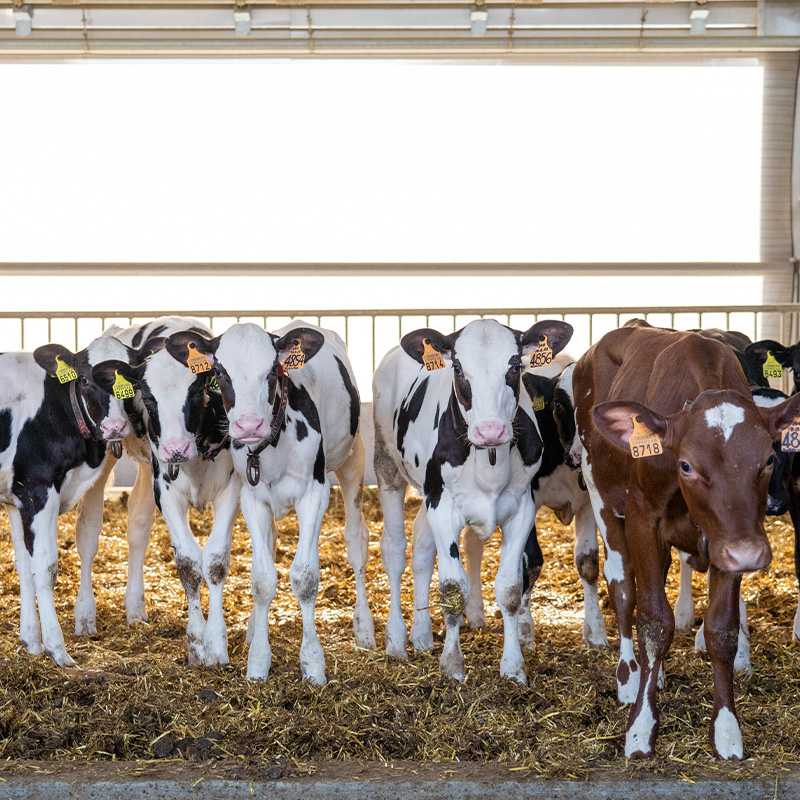
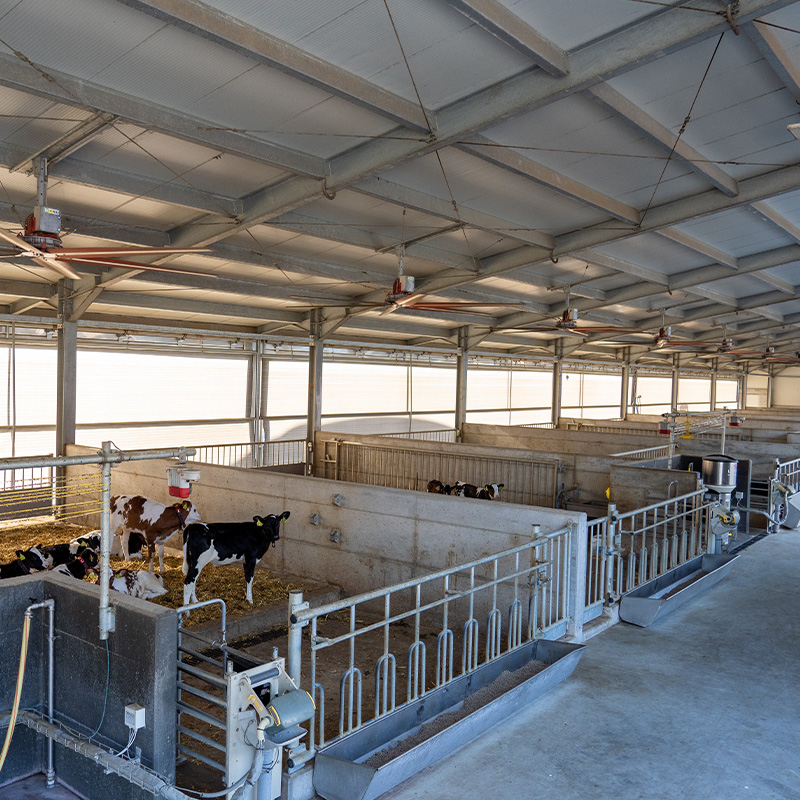
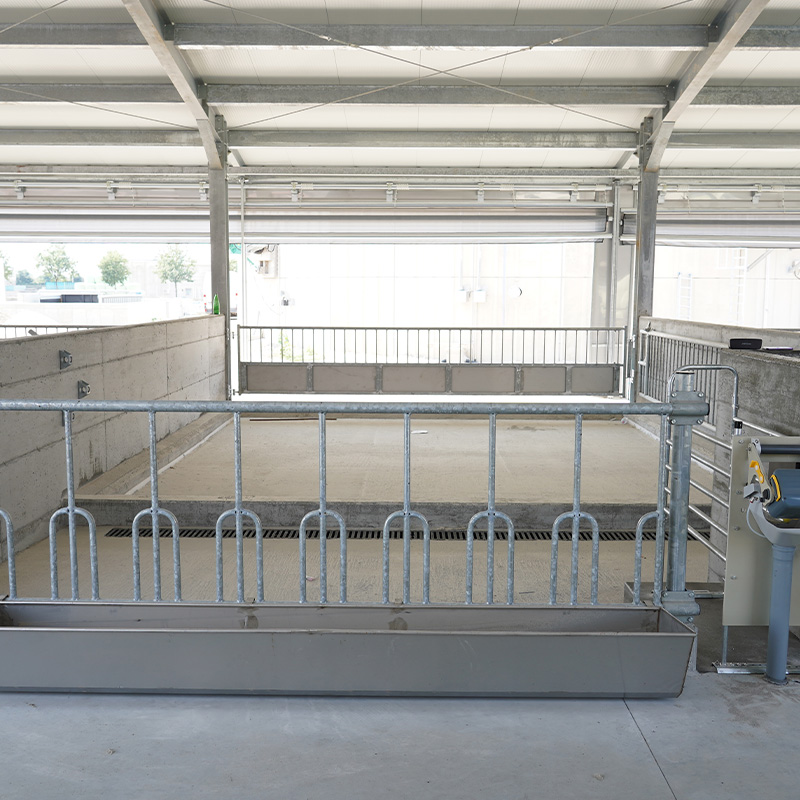
After weaning, calves are transferred to group pens, a delicate phase for dietary and environmental adaptation. Well-designed pens reduce stress, encourage socialisation and maintain growth performance. It is essential to create groups that are homogeneous in terms of age and weight (maximum 1 week’s difference) and to adopt static management until 6 months of age.
Available as raised or floor-level units, with an optional outdoor pen, they house calves aged 2 to 6 months in groups of 6–10 or 10–15 animals. They are equipped with a feeding alley with feed racks, adequate space (≥4 m² per animal), efficient ventilation, constant access to water and a controlled microclimate, ensuring comfort, hygiene and continuous growth.
TWIN BOX
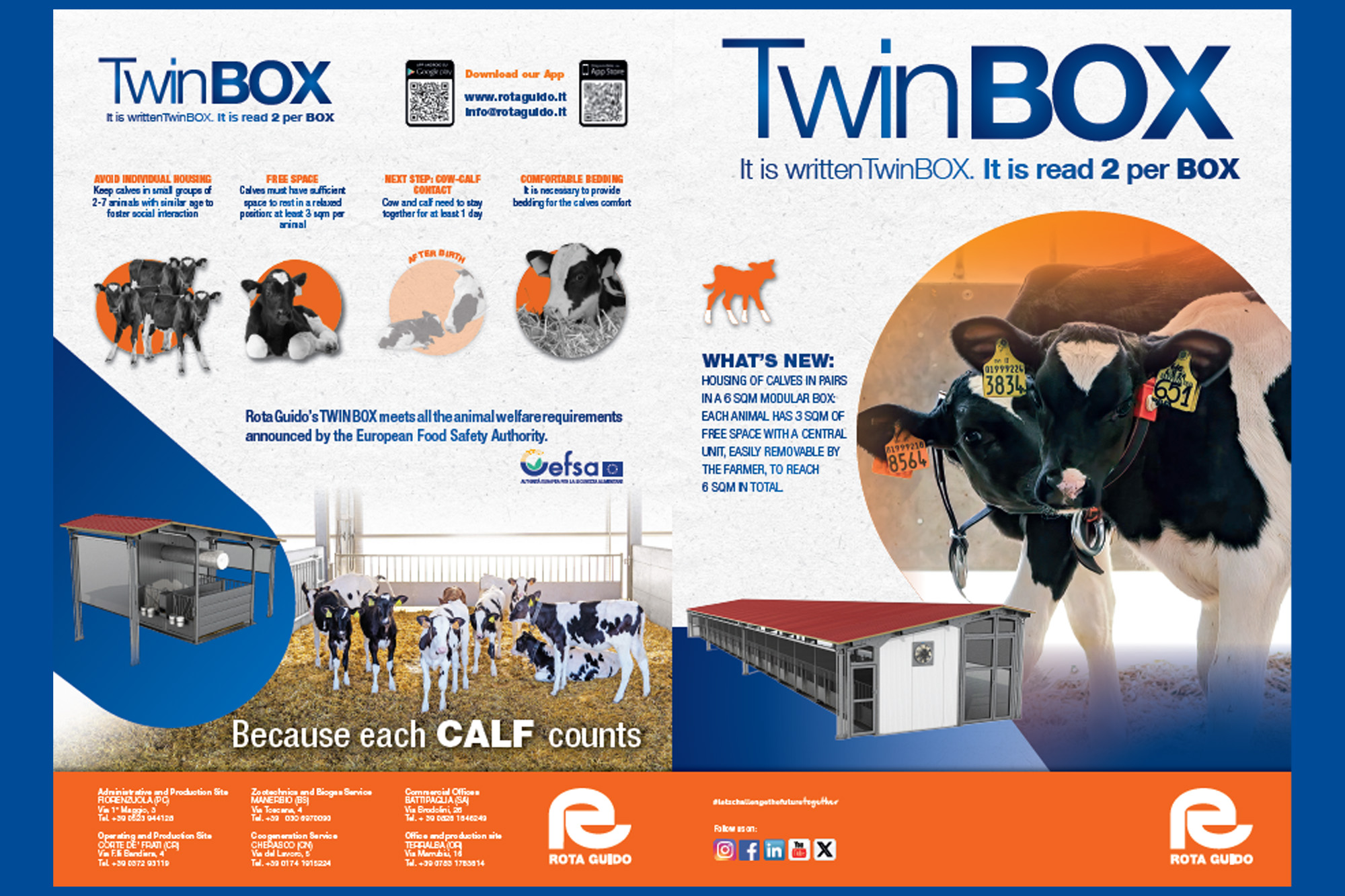
The future of calf rearing: it’s spelled TwinBOX, but it means 2 in a BOX.
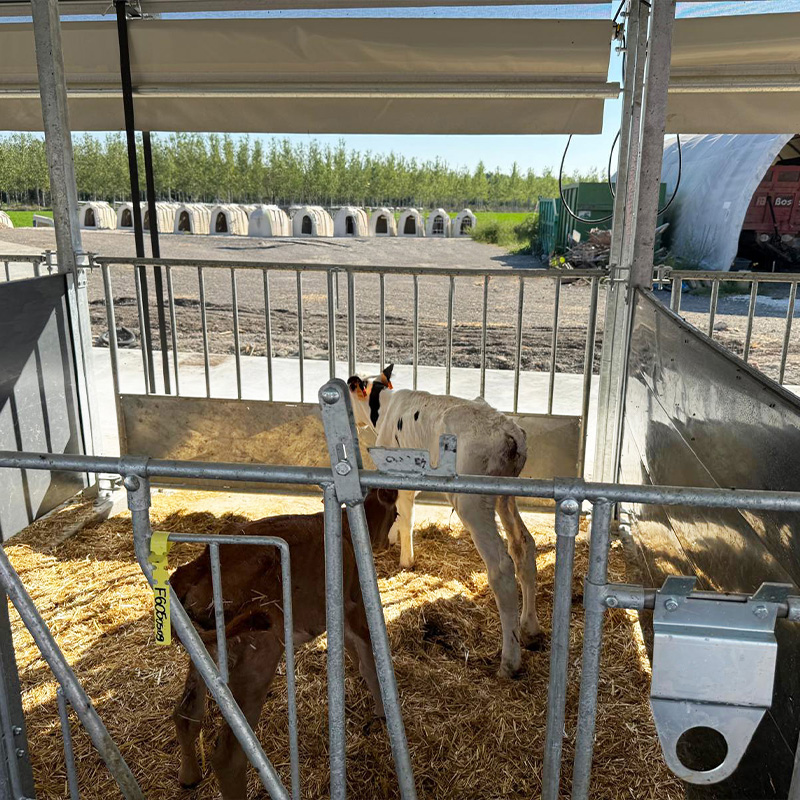
Rota Guido is paving the way for the future of calf house welfare with Twin BOX, a modular solution compliant with future European directives. Each 6 m² pen accommodates two calves (3 m² per head) and, thanks to the removable partition, allows for the transition from the individual phase (7–10 days) to the pair phase.
Built on the ground on bedding with a sloping floor, it requires minimal construction work and ensures easy cleaning. The system incorporates ventilation, curtains and screens for an optimal microclimate and adopts an ‘all-in, all-out’ management system for biosecurity. An innovative, practical solution that already complies with EFSA regulations.
6 m² floor area
Removable central partition
From individual management to pair housing
Sanitary break
Mechanised cleaning
Why choose Rota Guido?
Our calf boxes are practical solutions to real-world problems. Each solution is born from direct field analysis and ongoing dialogue between farmers and technicians, to meet the actual needs of individual farmers and the sector as a whole. In fact, Rota is the only company to have certified the first 4.0 calf pen.
Before being launched on the market, new products are tested and trialled on pilot farms and, after sale, our experts continue to liaise with farmers to ensure constant improvement. Our goal is clear: to turn problems into concrete solutions that simplify day-to-day work.
Have my calves eaten? With our solutions, the answer is always yes.
• Equipment correctly sized for all stages of a calf’s life.
• Calf pens designed for traditional feeding but adaptable to all automated systems (calf rails, milk and dry feed distribution stations).
• User-friendly solutions for all types of farm staff.
What smell do I notice in my calf house? Just the smell of fresh milk.
• Quick sanitisation of the premises.
• Easy cleaning of slatted floors
• Option for mechanical cleaning of walking surfaces
What is the temperature in the calf house? Pleasant in both summer and winter.
• Remote-controlled fans
• Doors and windows for thermal insulation
• Blinds and windows for proper natural ventilation
Am I looking after my calves properly? We’ve done this together with you.
• The animals have adequate space
• As the floor area increases, so does cleanliness; each calf stays drier
• Upon entering the calf barn, one senses calm and silence
• The absence of flies is a sign of well-being
• Buckets and troughs contain no stagnant feed
• The walls of the pens are free of faeces because staff have no difficulty removing them
Could any of my staff manage the calf barn? Yes, because it is easy and intuitive.
• I have been able to automate many processes
• Mechanical equipment can be used, and every operation is carried out quickly
• I can confine the animals and carry out all operations safely
• Every mechanical movement can be performed with minimal effort
ADVICE
Request a consultation
Please do not hesitate to contact us.
Rota Guido’s technical and sales team is at your complete disposal for any enquiries or information you may require.

Download our app
ACCESS THE FULL ROTA GUIDO SOLUTIONS CATALOGUE
Here you’ll find news, in-depth articles and full descriptions of Rota Guido’s main products.


IN-HOUSE PRODUCTION
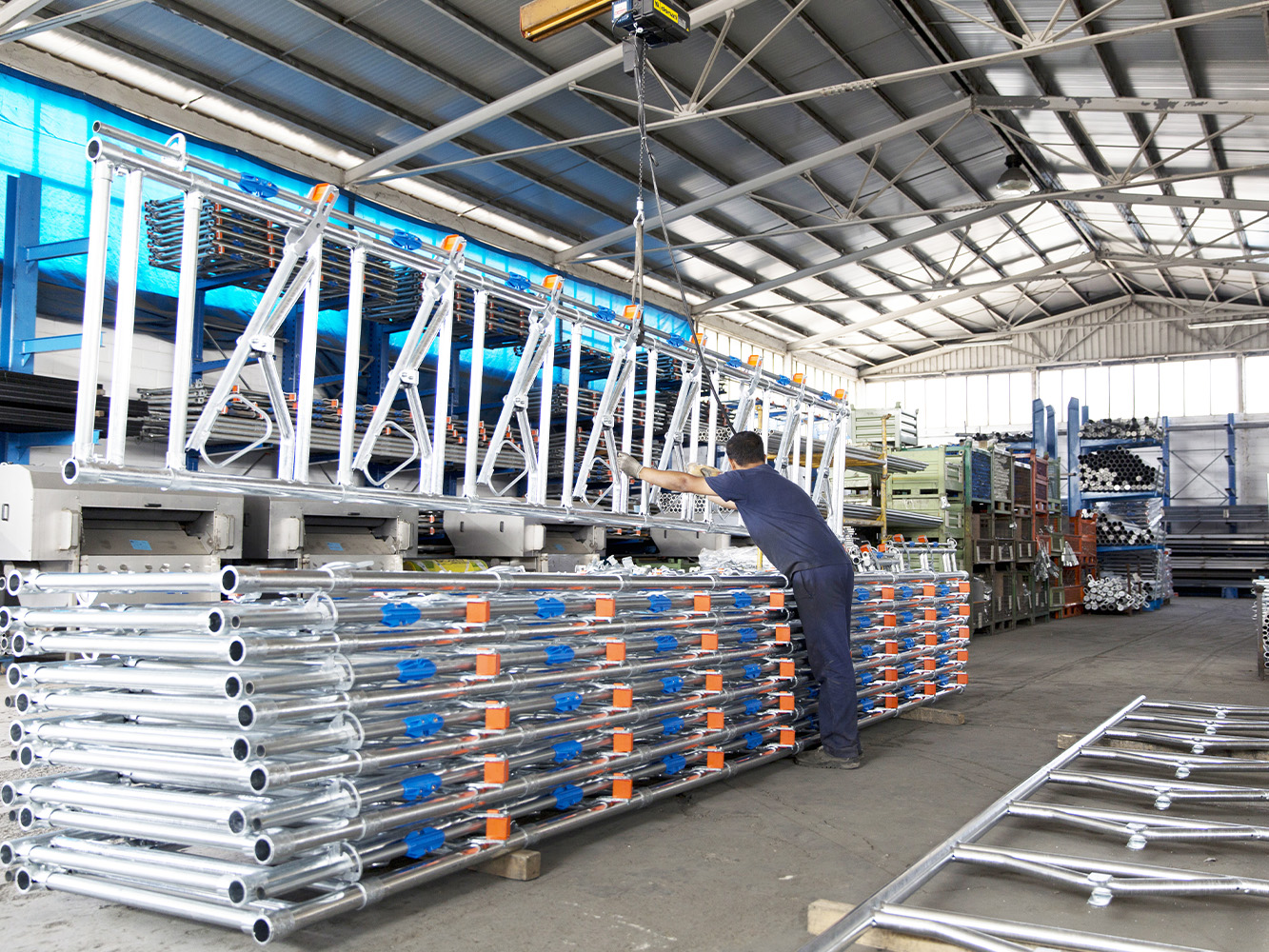
Design, manufacture and assembly by Rota Guido
All the solutions presented are developed and manufactured in-house to ensure quality, control and reliability in every detail.