THE PERFECT MICROCLIMATE IN THE BARN
Ventilation and air quality for every livestock
Ventilation and microclimate control are essential to ensure animal welfare, environmental stability, and proper management of livestock buildings. Rota solutions are designed to meet the specific needs of different livestock species, adapting ventilation and air management systems to the characteristics of each structure.
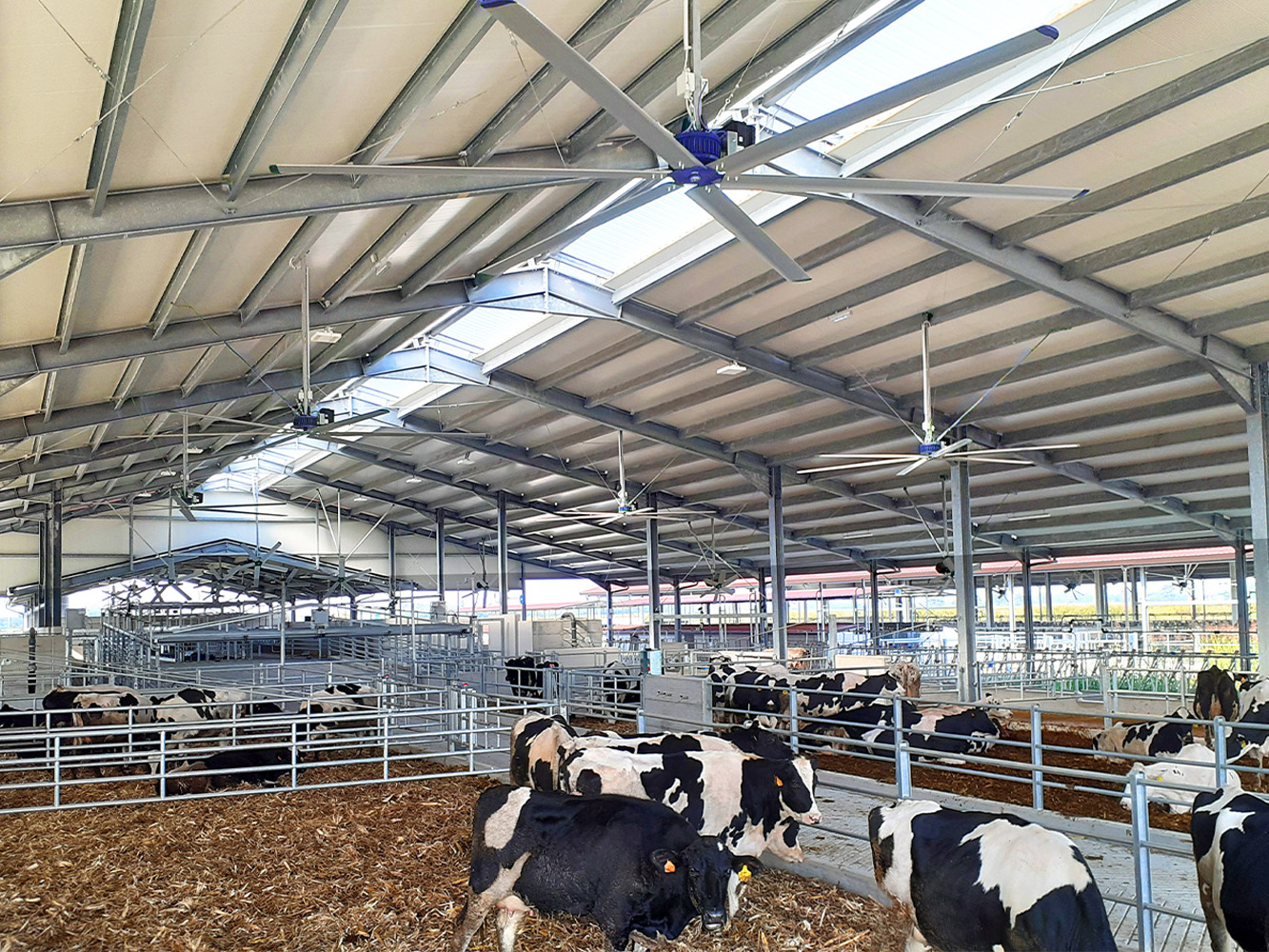
CATTLE
Microclimate management in cattle farms
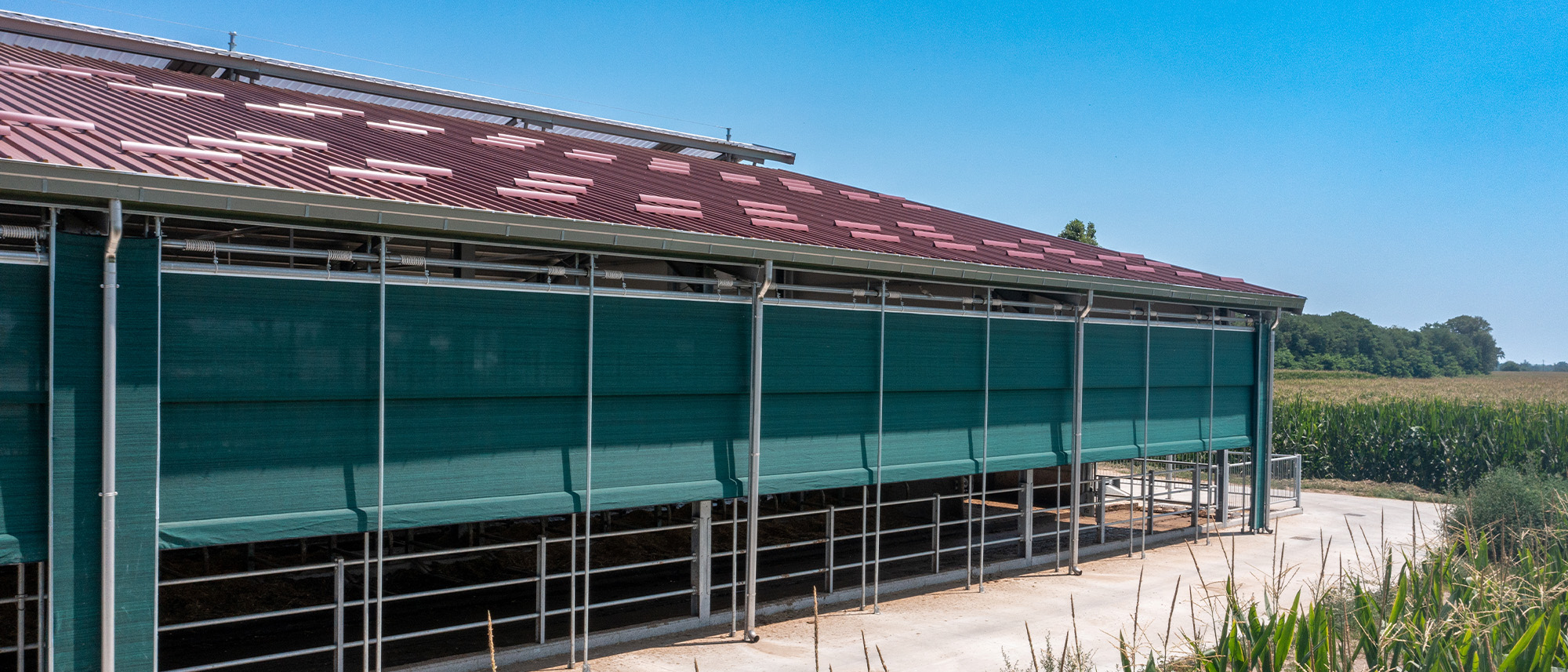
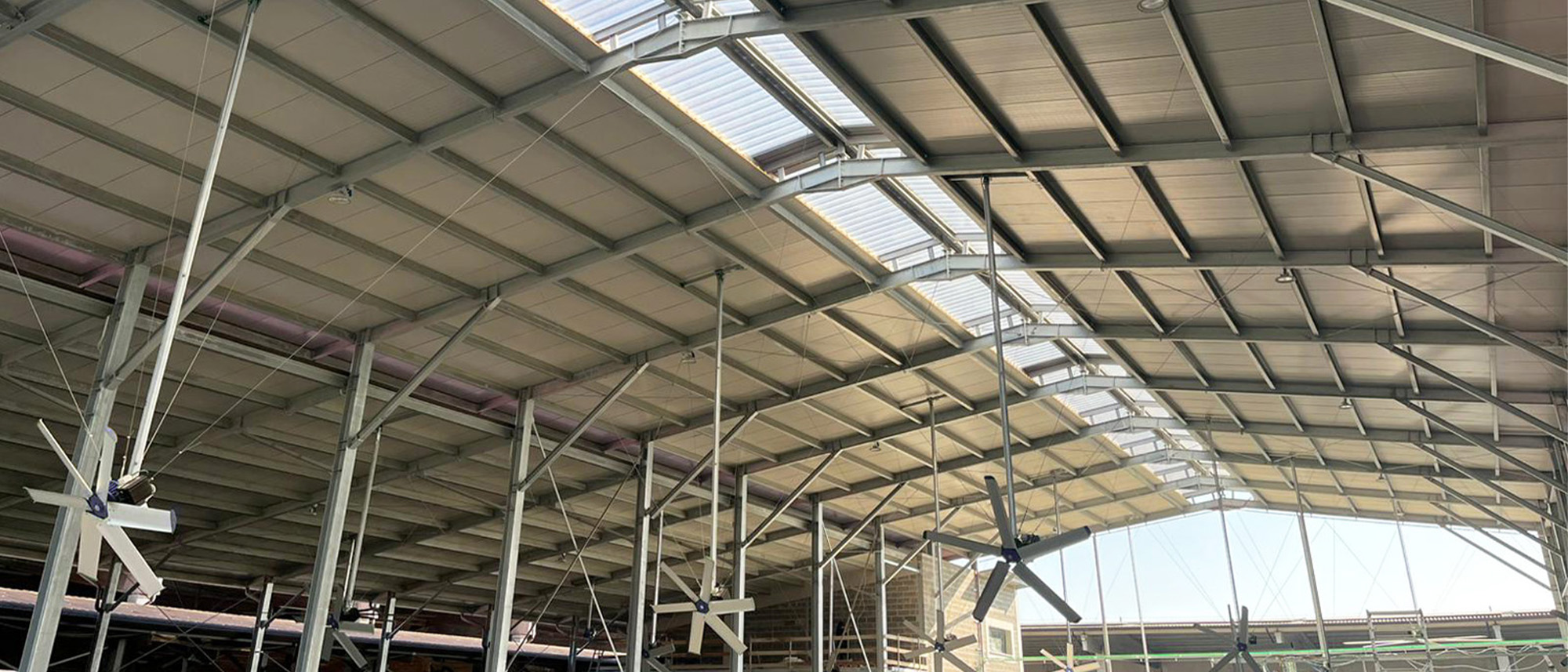
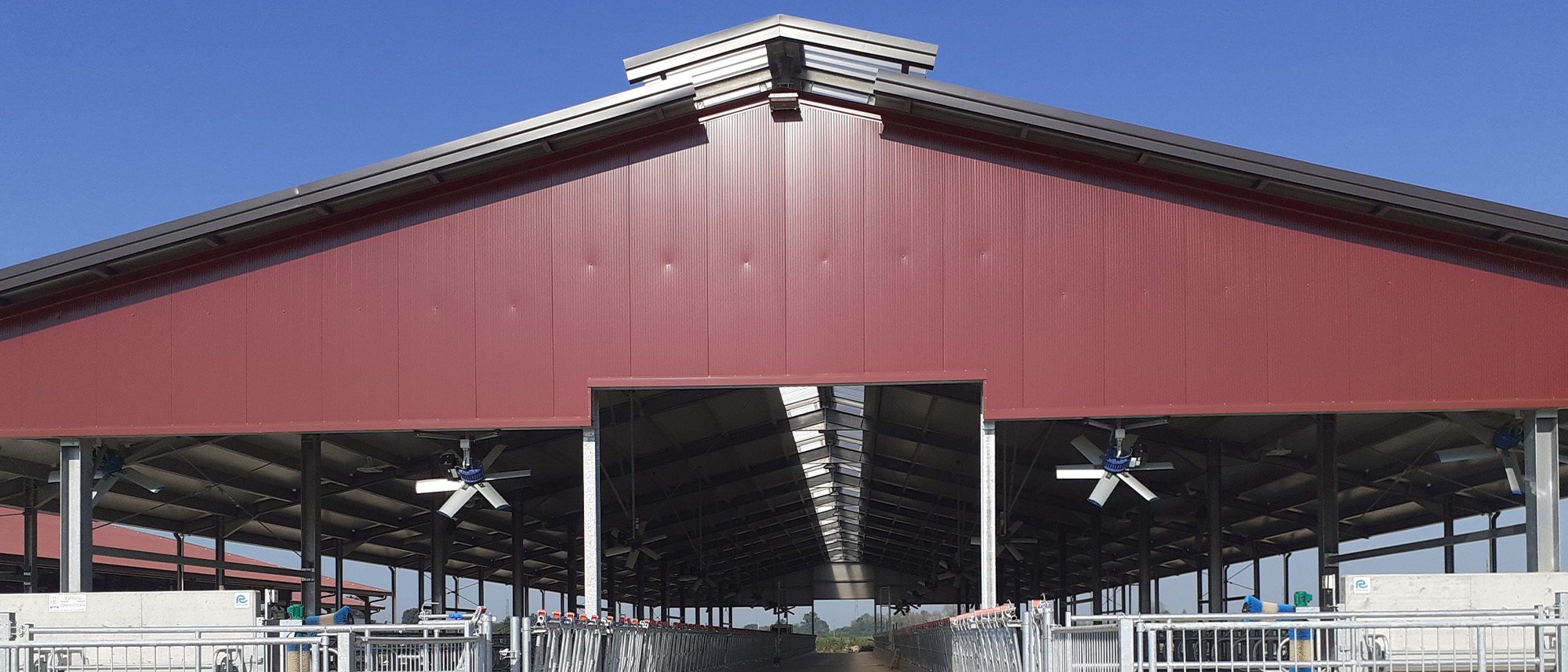
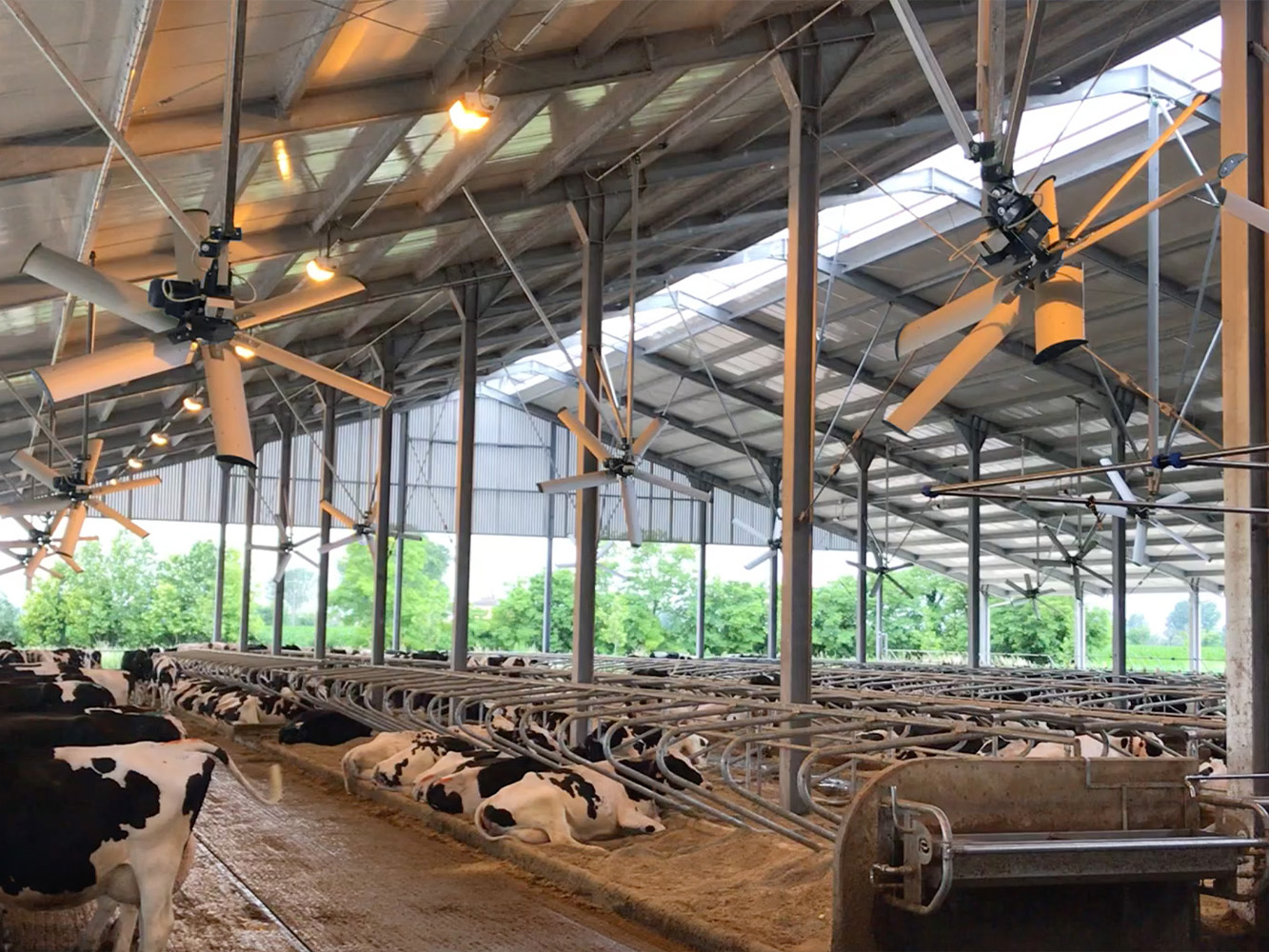
Controlling the microclimate in dairy barns is essential to ensure animal welfare, environmental stability, and production continuity. Natural and artificial ventilation systems, cooling, and air exchange management allow optimal conditions to be maintained year-round, reducing heat stress and promoting herd performance.
Dairy cows microclimate
Beef cattle microclimate
Calves microclimate
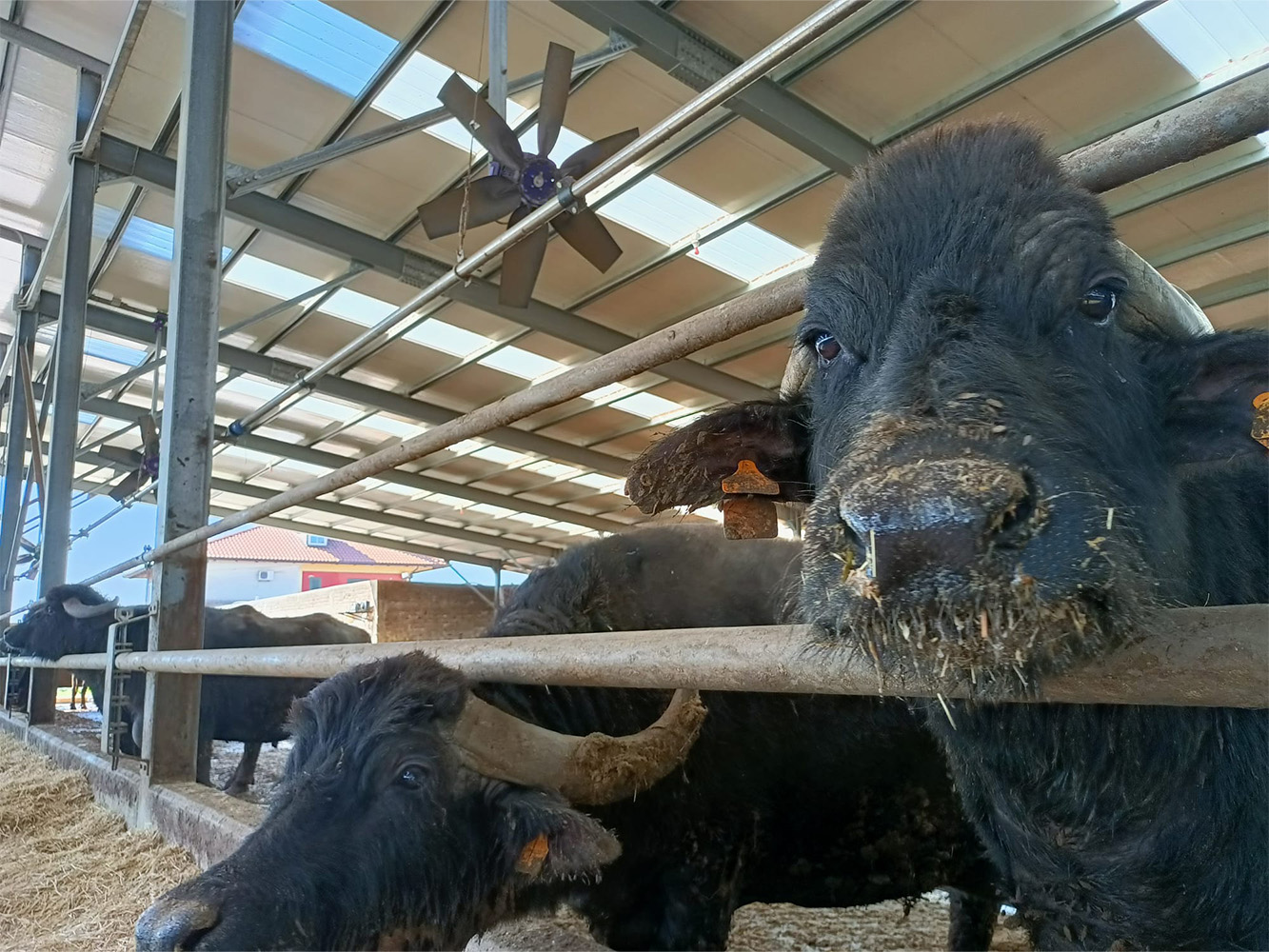
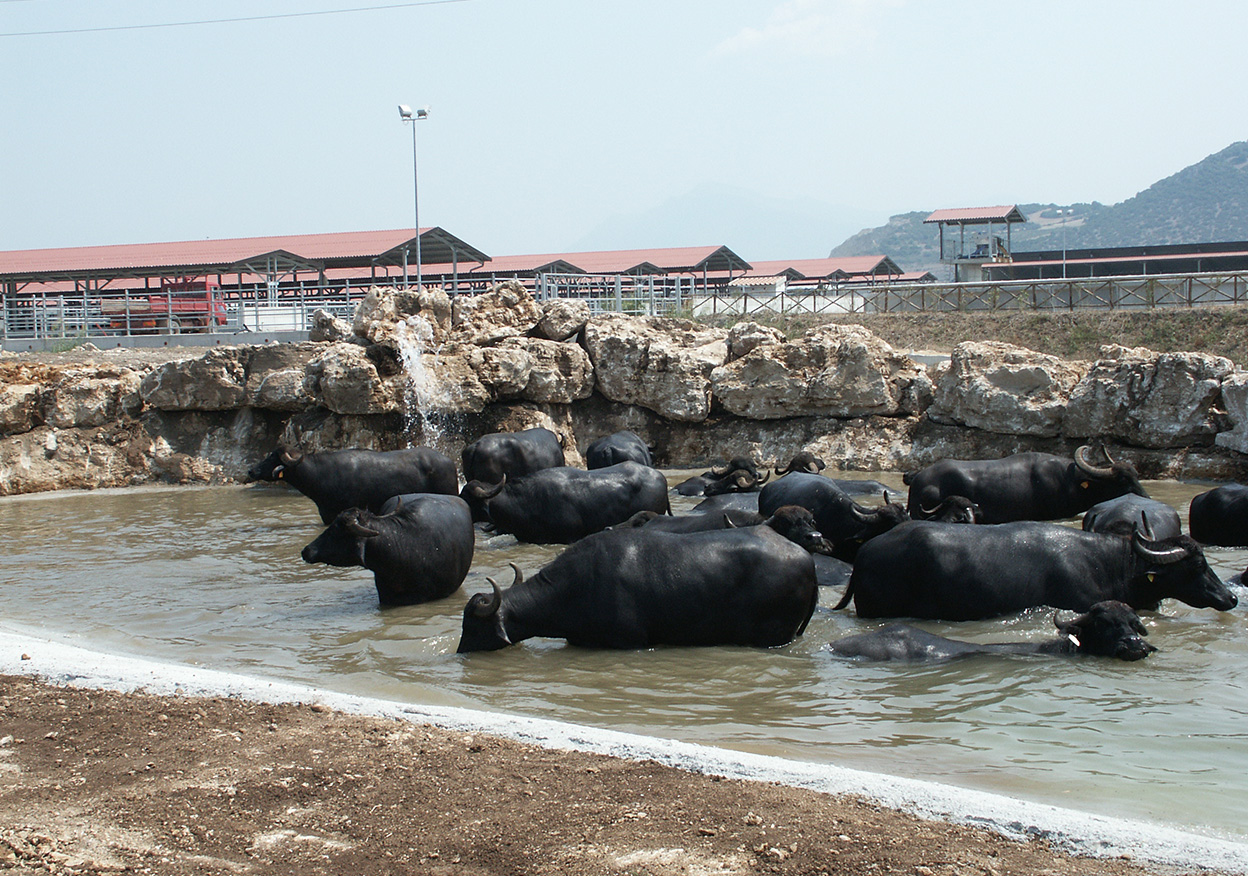
BUFFALOES
Ventilation and microclimate for buffaloes
In buffalo farms, managing the microclimate is essential to ensure thermal comfort and production stability. Ventilation and air destratification systems allow for temperature, humidity, and air circulation to be controlled, reducing heat stress and promoting animal welfare, fertility, and production quality.
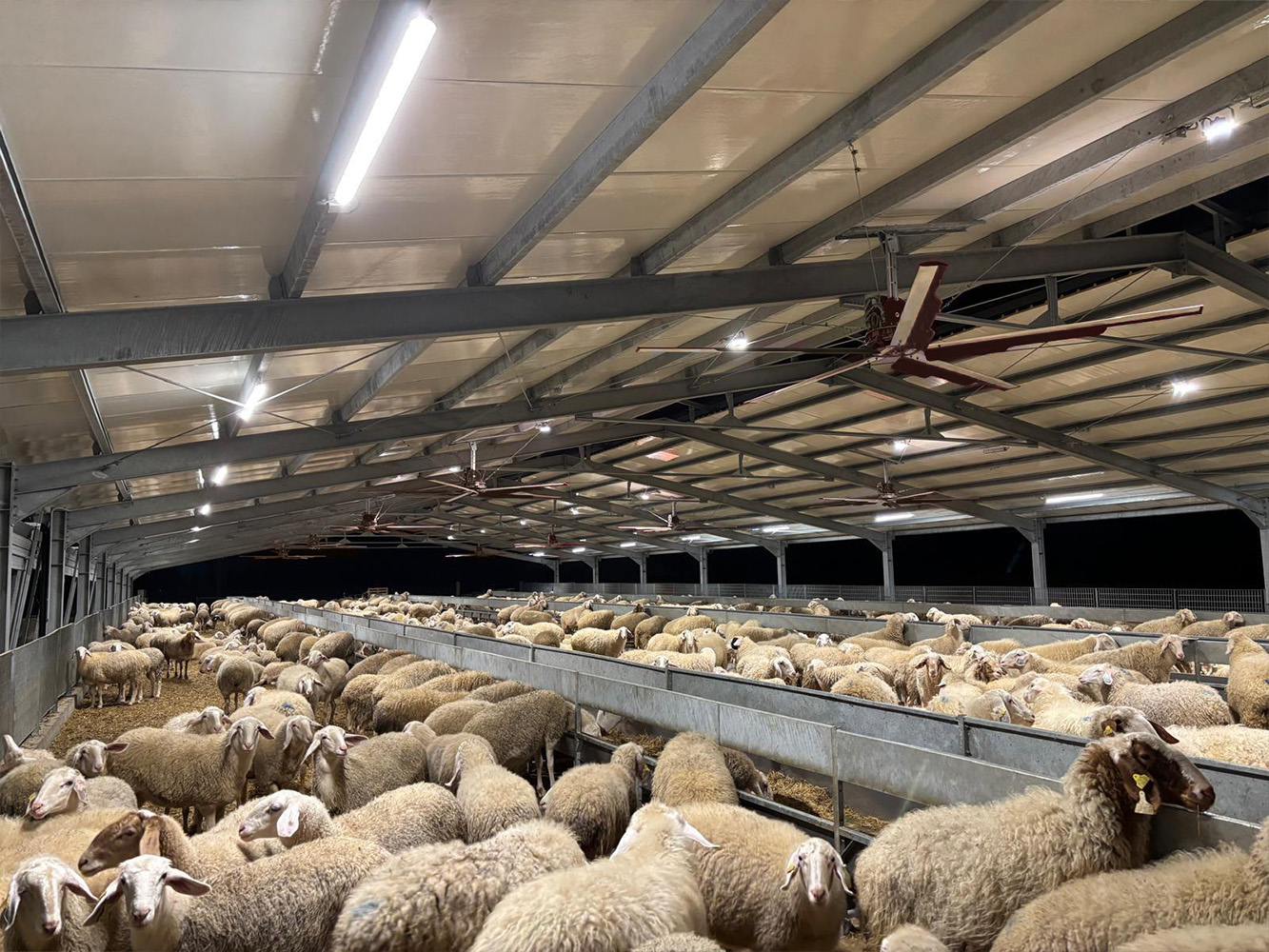
GOATS AND SHEEP
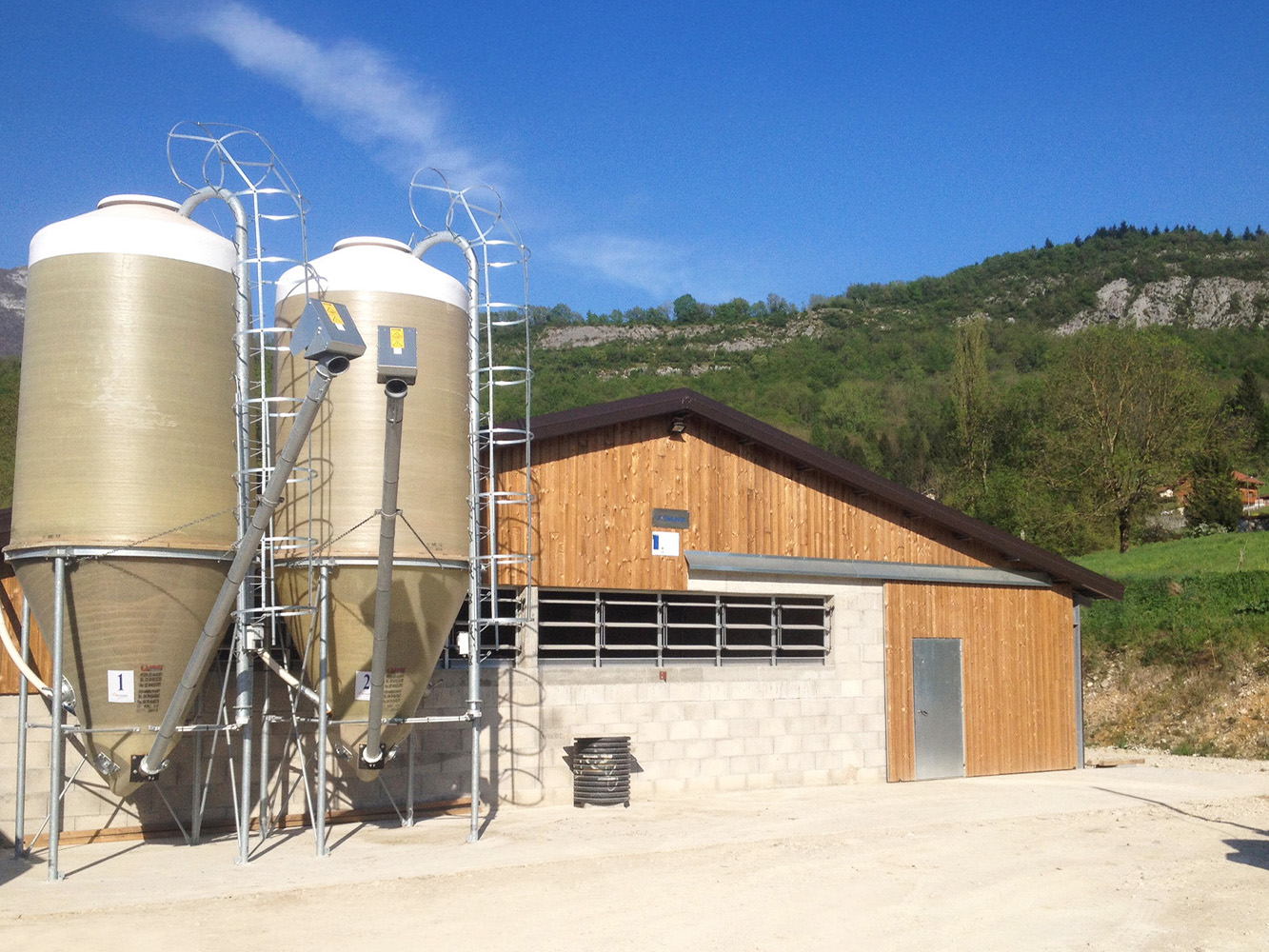
Natural ventilation and animal comfort
In sheep and goat farms, managing natural ventilation and air exchange helps maintain healthy, well-ventilated environments, promoting animal well-being and productivity.
POULTRY
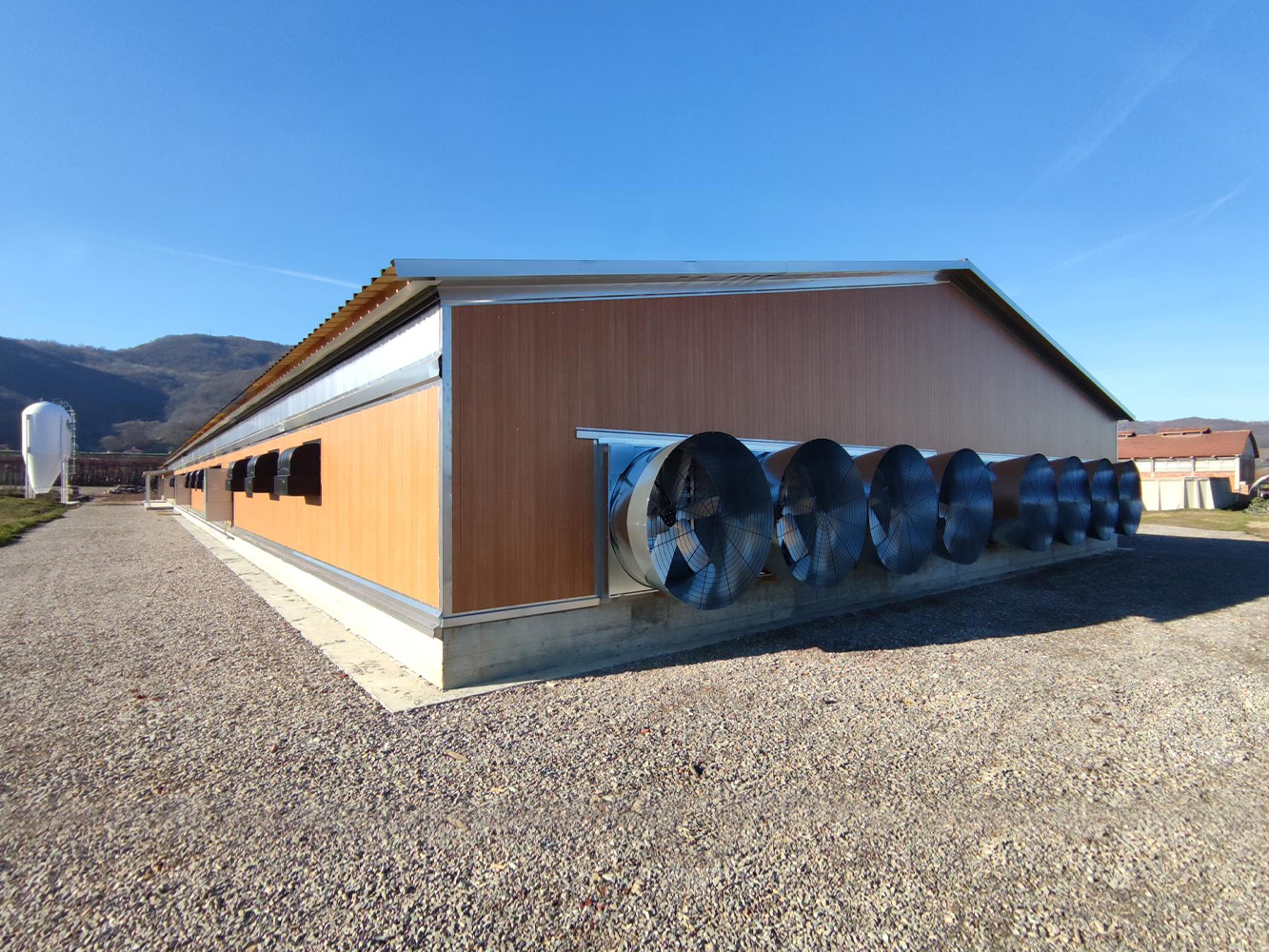
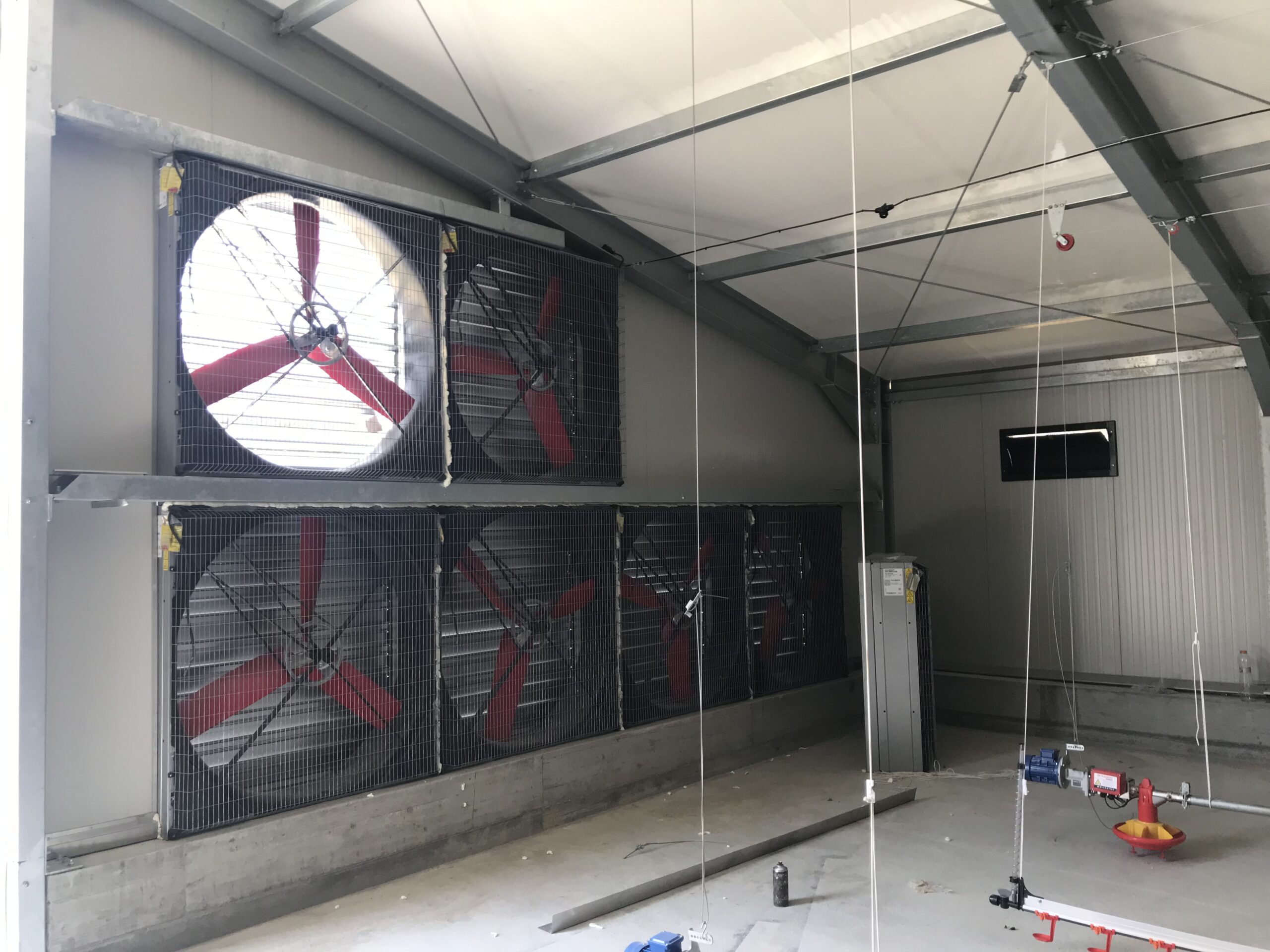
Environmental Control in Poultry Farms
In poultry farms, managing the microclimate is crucial to ensuring uniform growth and bird well-being throughout the production cycle. Forced ventilation systems, temperature control, humidity management, and litter quality allow stable environmental conditions to be maintained within the barn, promoting productive performance and bird health.
PIGS
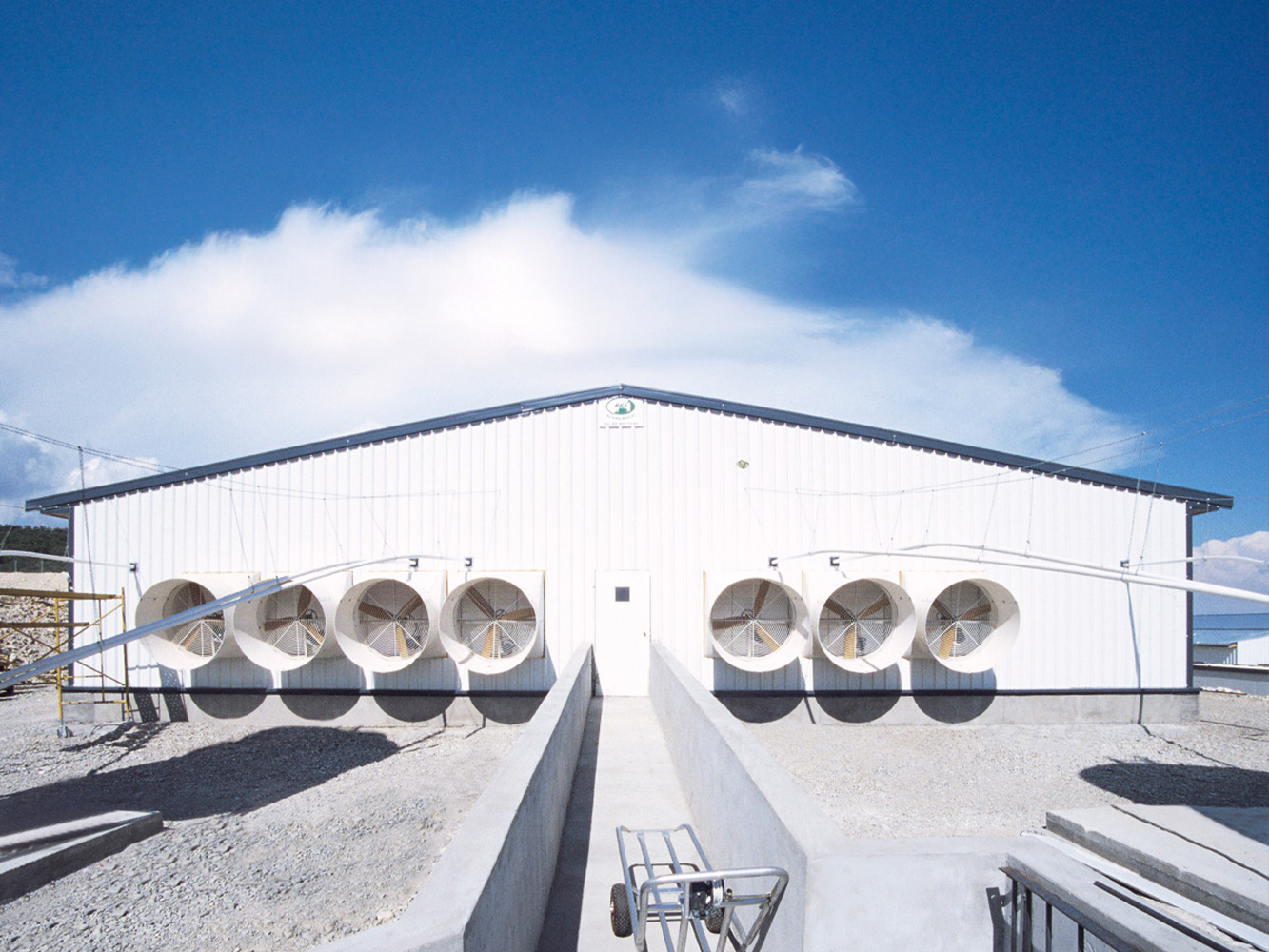
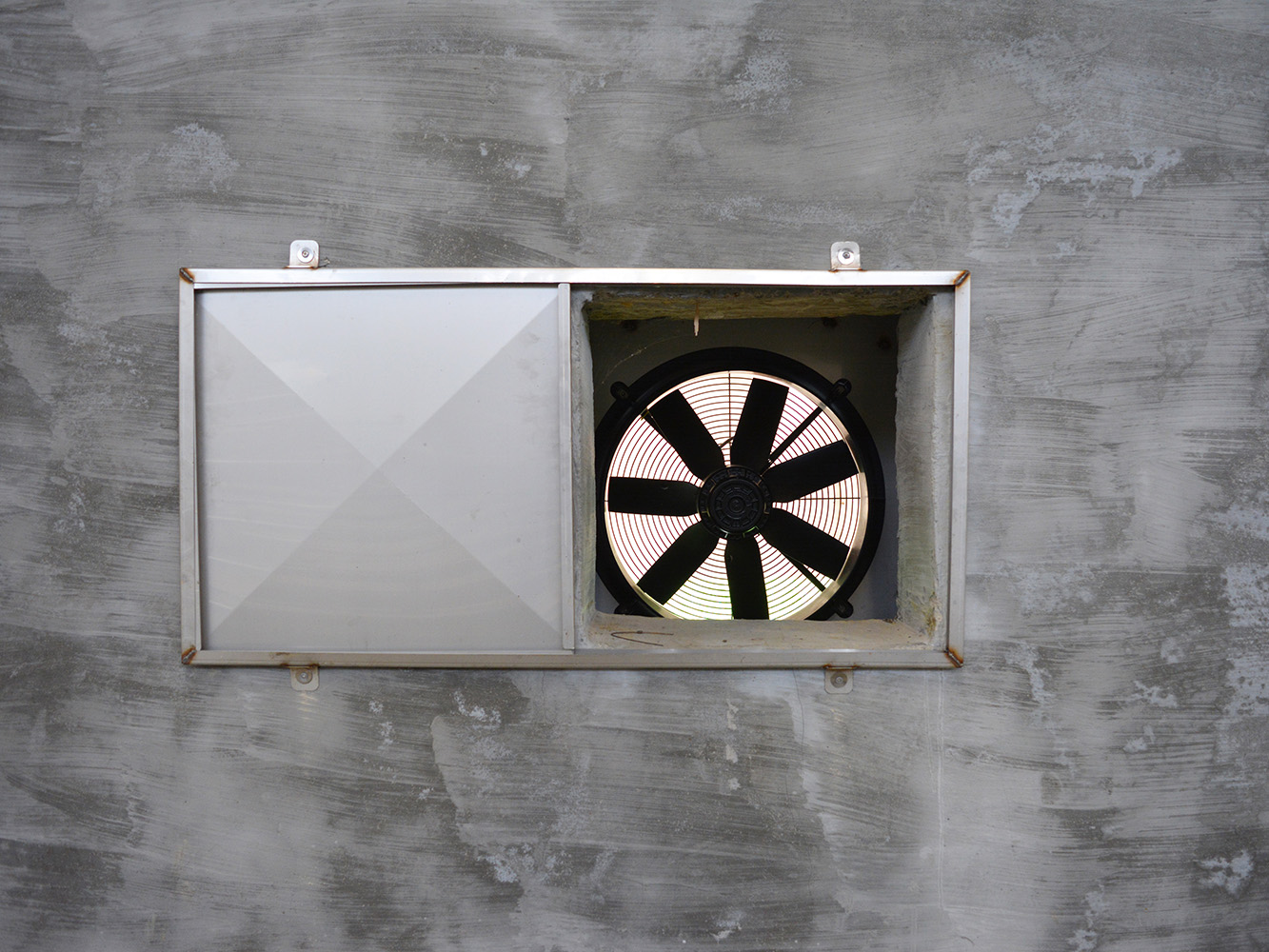
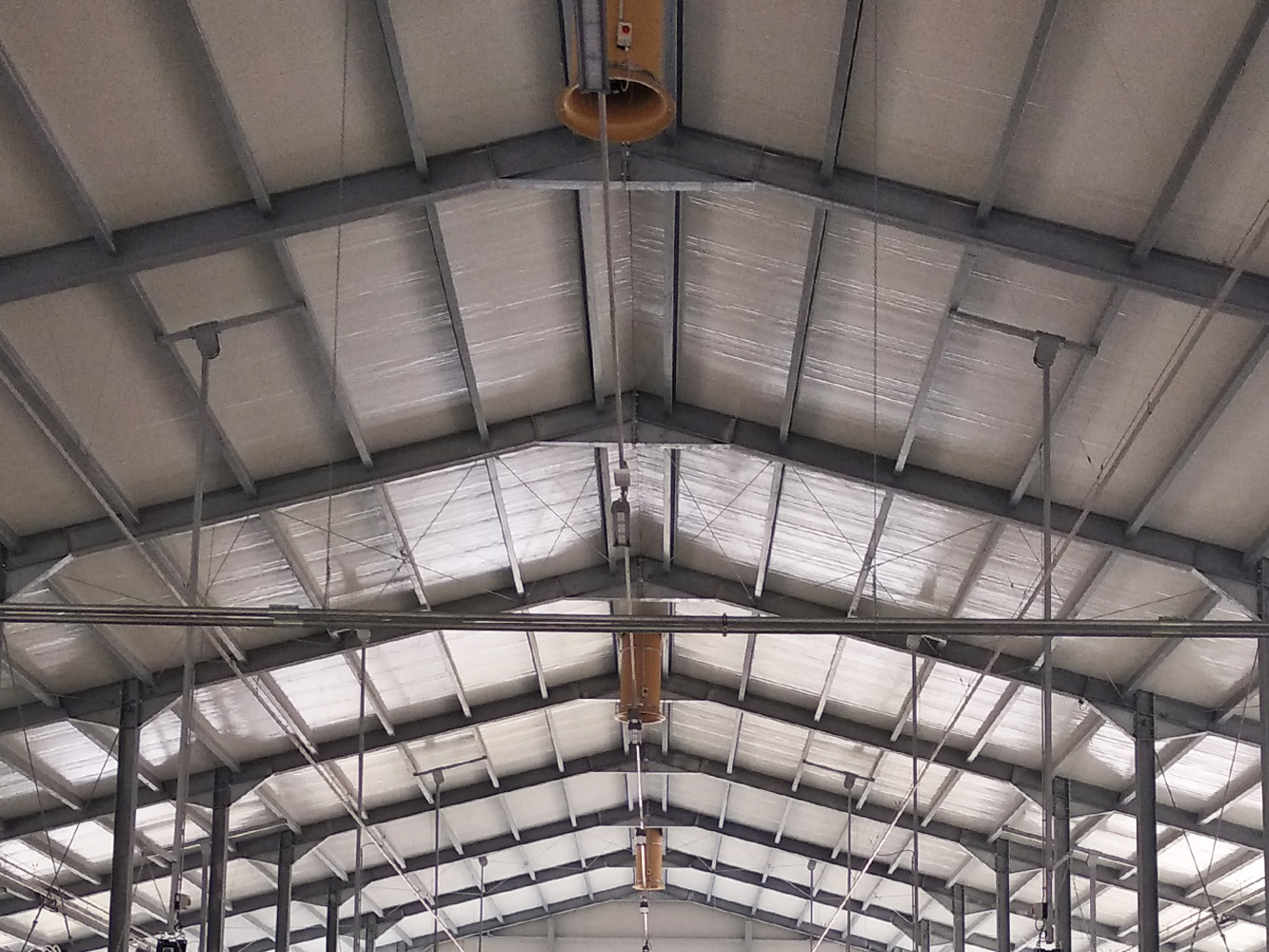
Controlled Ventilation for Pig Farms
In pig farms, microclimate control is essential to maintain stable environmental conditions throughout the various production phases. Ventilation, heating, and cooling systems regulate temperature, humidity, and air quality, promoting animal well-being and management efficiency.