DAIRY COWS
Optimal microclimate: an investment in health and productivity
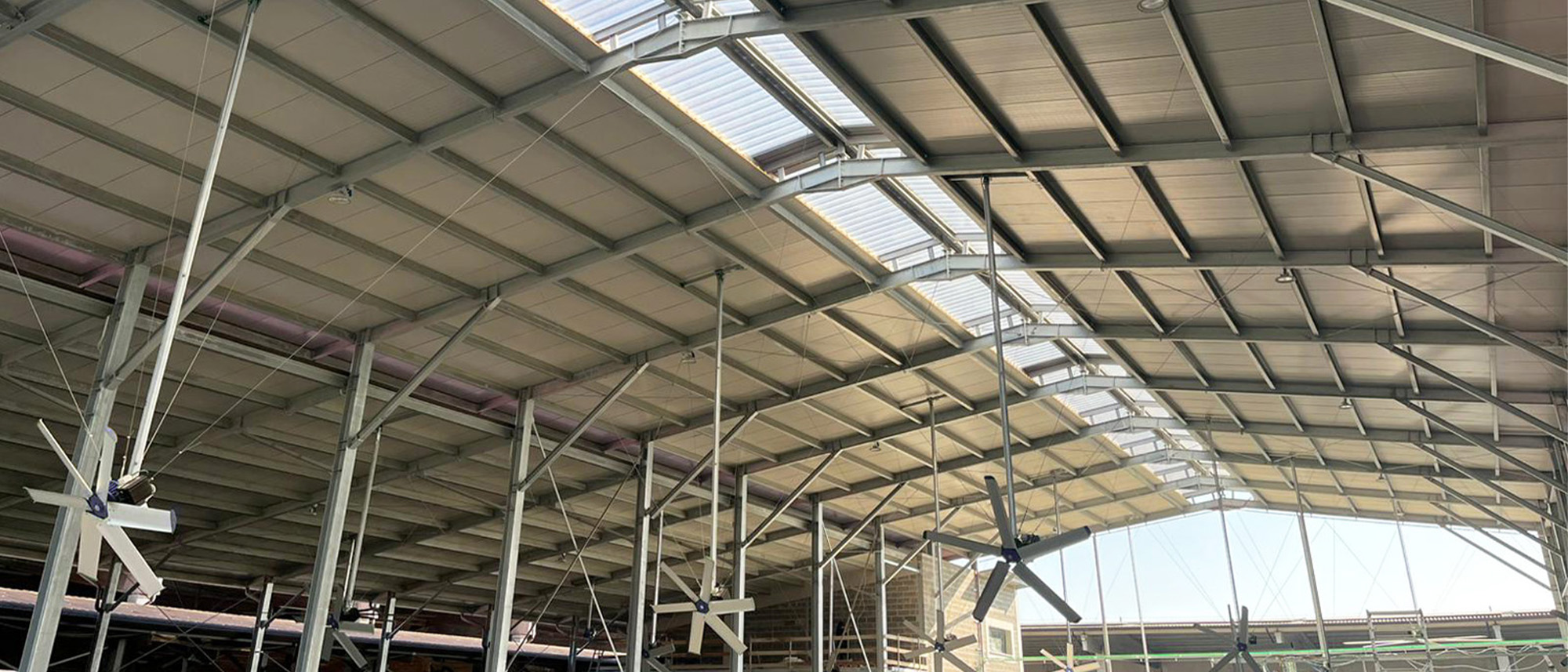
The welfare and productivity of dairy cows depend to a large extent on the quality of the microclimate inside the barn. Conditions such as prolonged heat, high humidity, low air velocity and the presence of harmful gases (such as ammonia) and dust contribute to an increase in the heat stress index and bacterial proliferation, with negative effects on health, fertility and production performance.
MICROCLIMATE
The climate changes, and the cow feels the effects
As a homeothermic animal, the cow is particularly sensitive to temperature fluctuations. When she moves outside her thermal comfort zone (+5°C / +20°C), she expends energy to regulate her body temperature, at the expense of productivity. Excessive heat reduces feed intake and compromises health, whilst winter humidity can cause respiratory problems. For this reason, controlling the microclimate in the barn is a key factor in ensuring consistent welfare and performance.
NATURAL VENTILATION
Windbreak screens and roof vents
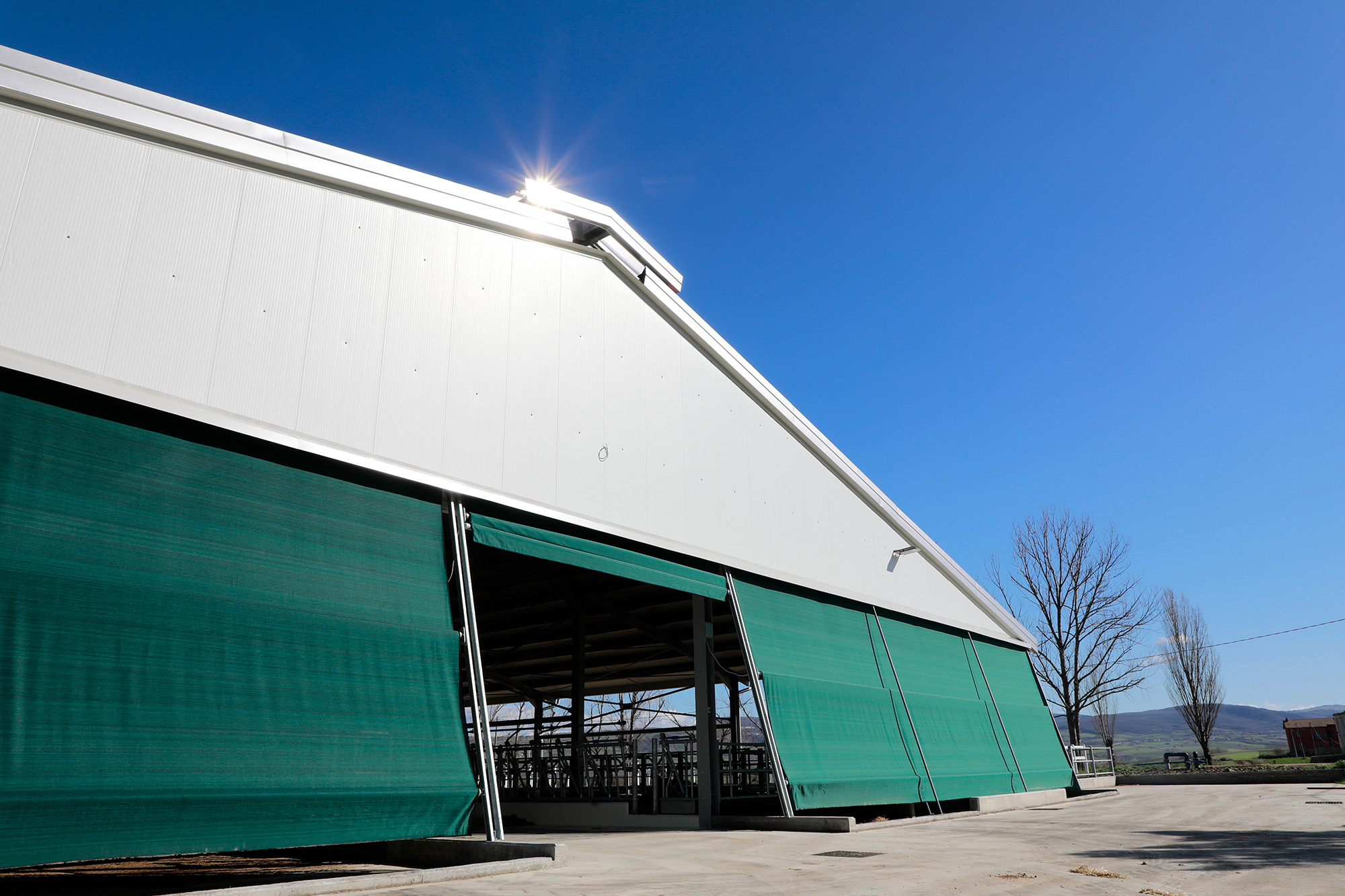
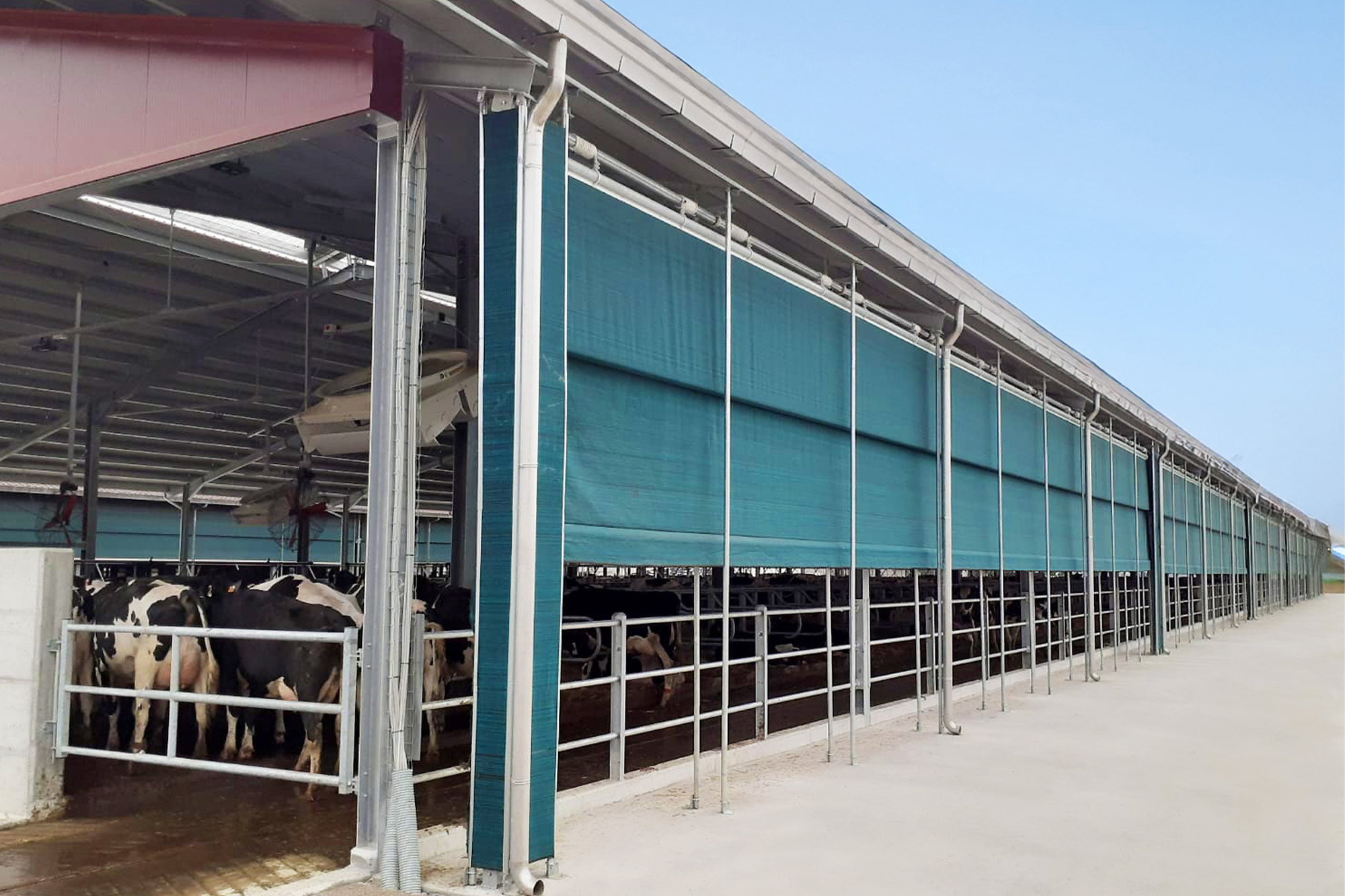
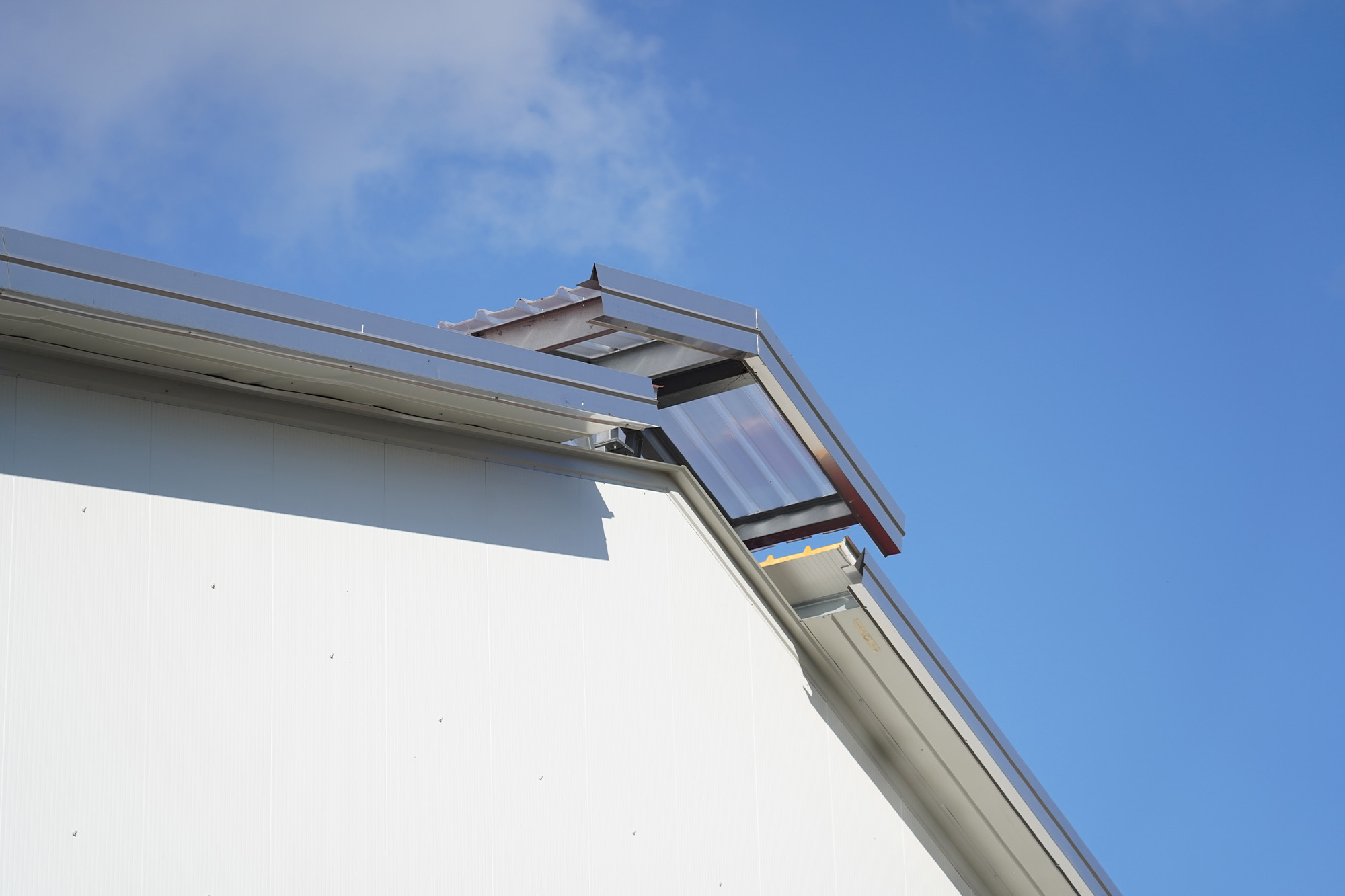
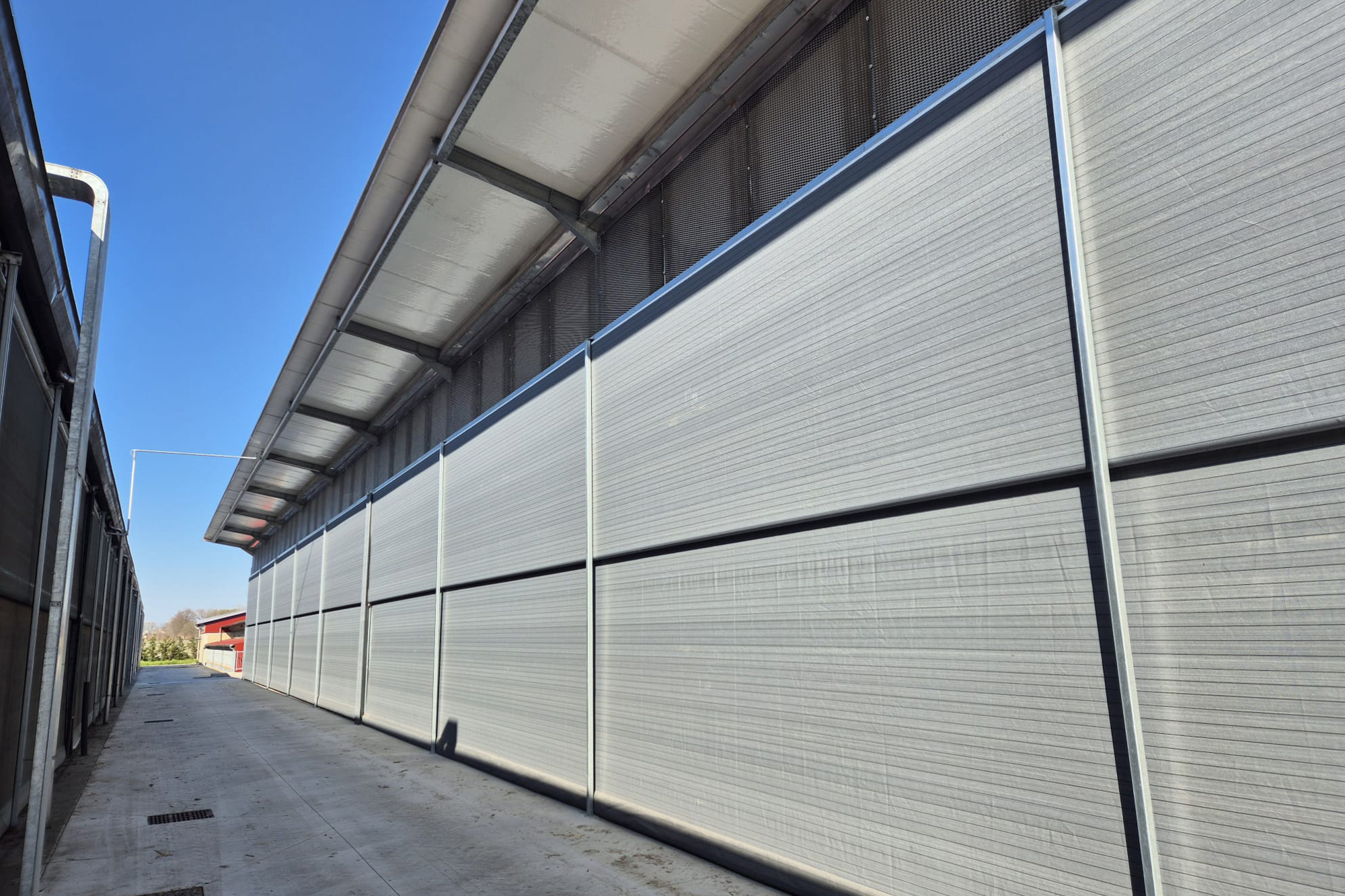
Windbreak screens are essential tools for managing the microclimate in livestock buildings: they reduce wind speed, promoting controlled air circulation.
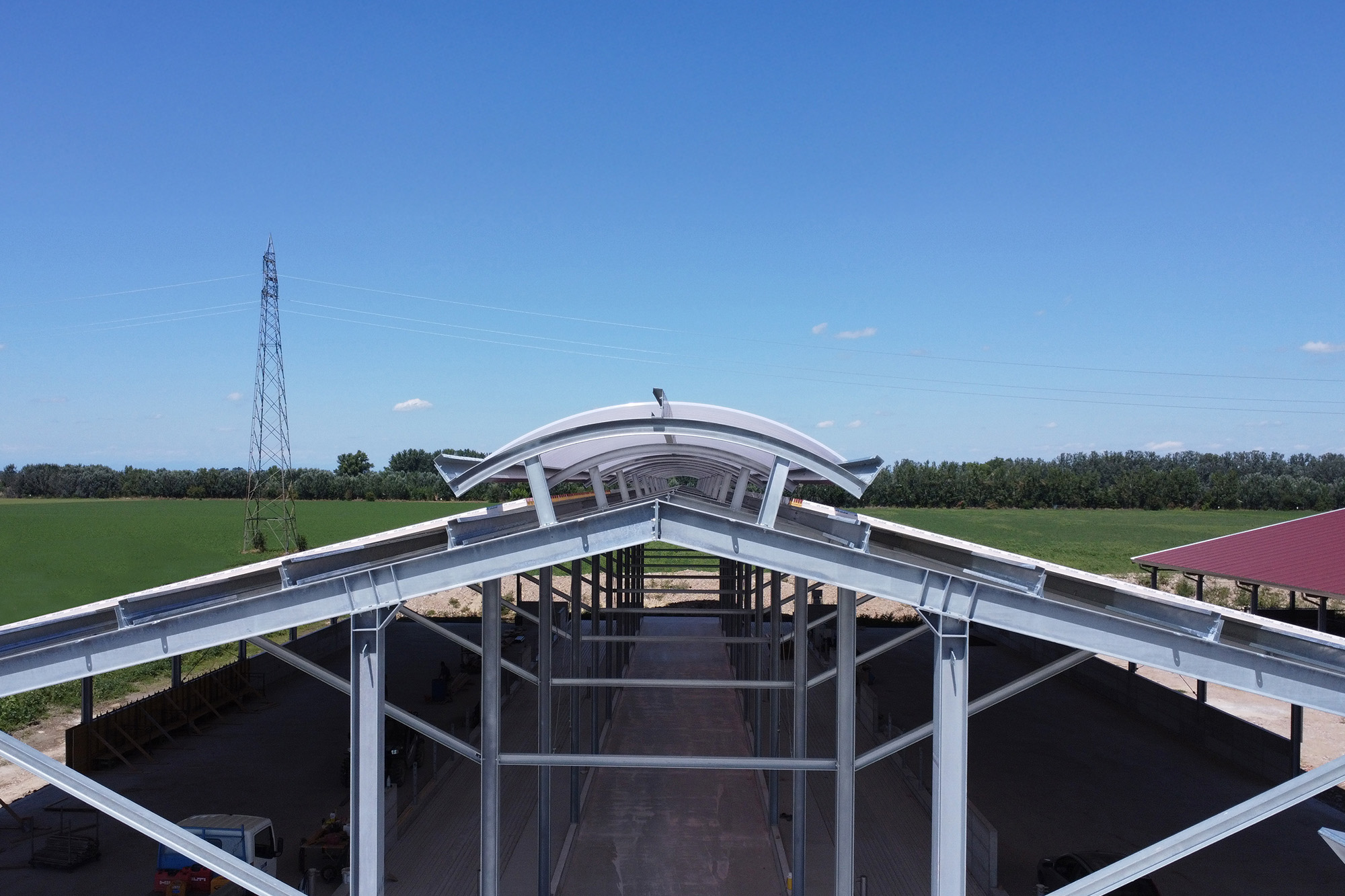
They can be installed on external walls, windows or ventilation openings, both horizontally and vertically. They work in synergy with the roof vent, which facilitates natural air exchange, helping to remove excess heat and accumulated moisture, thereby contributing to a healthy, stable and productive environment.
ARTIFICIAL VENTILATION
PVC FAN
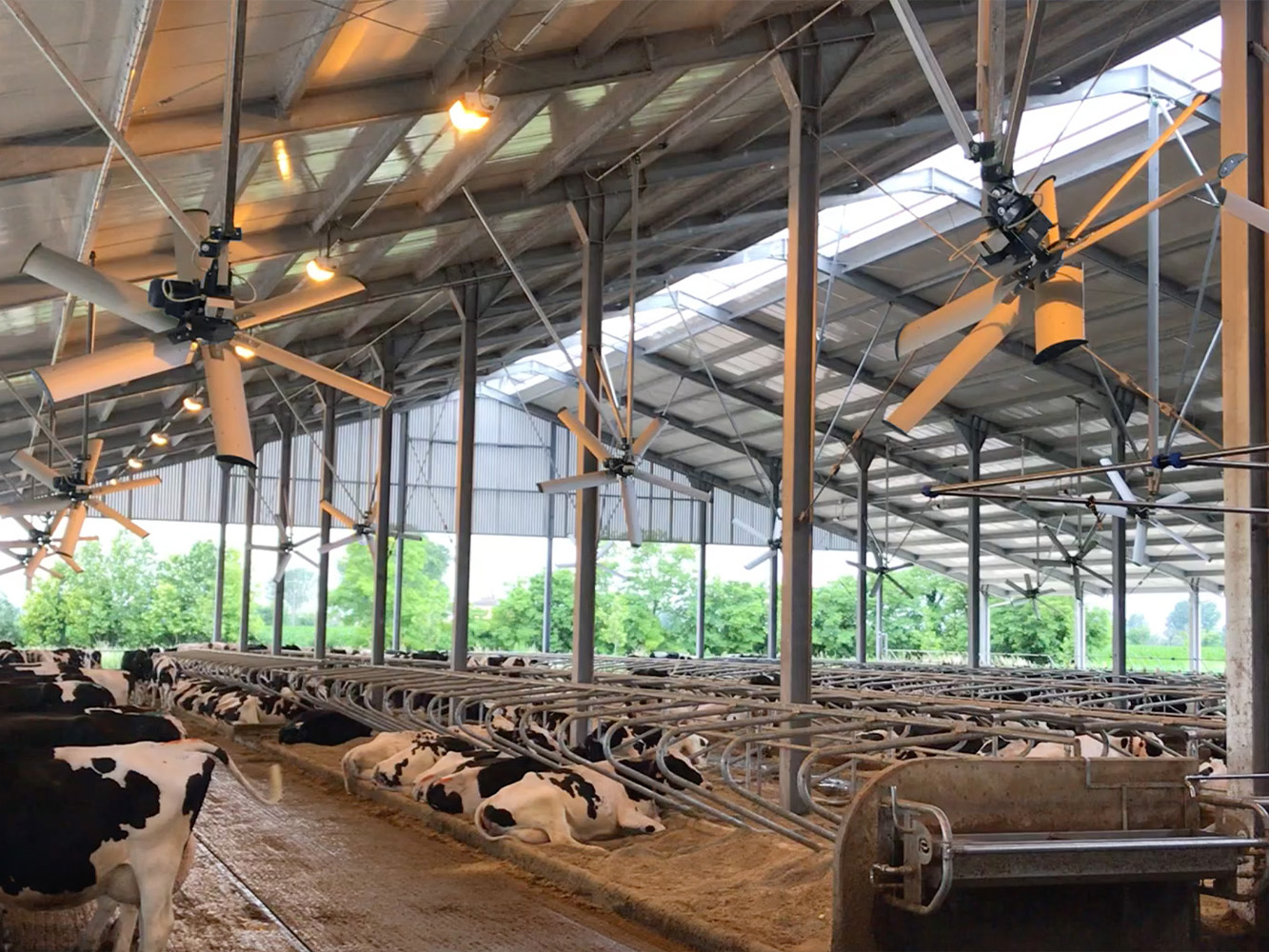
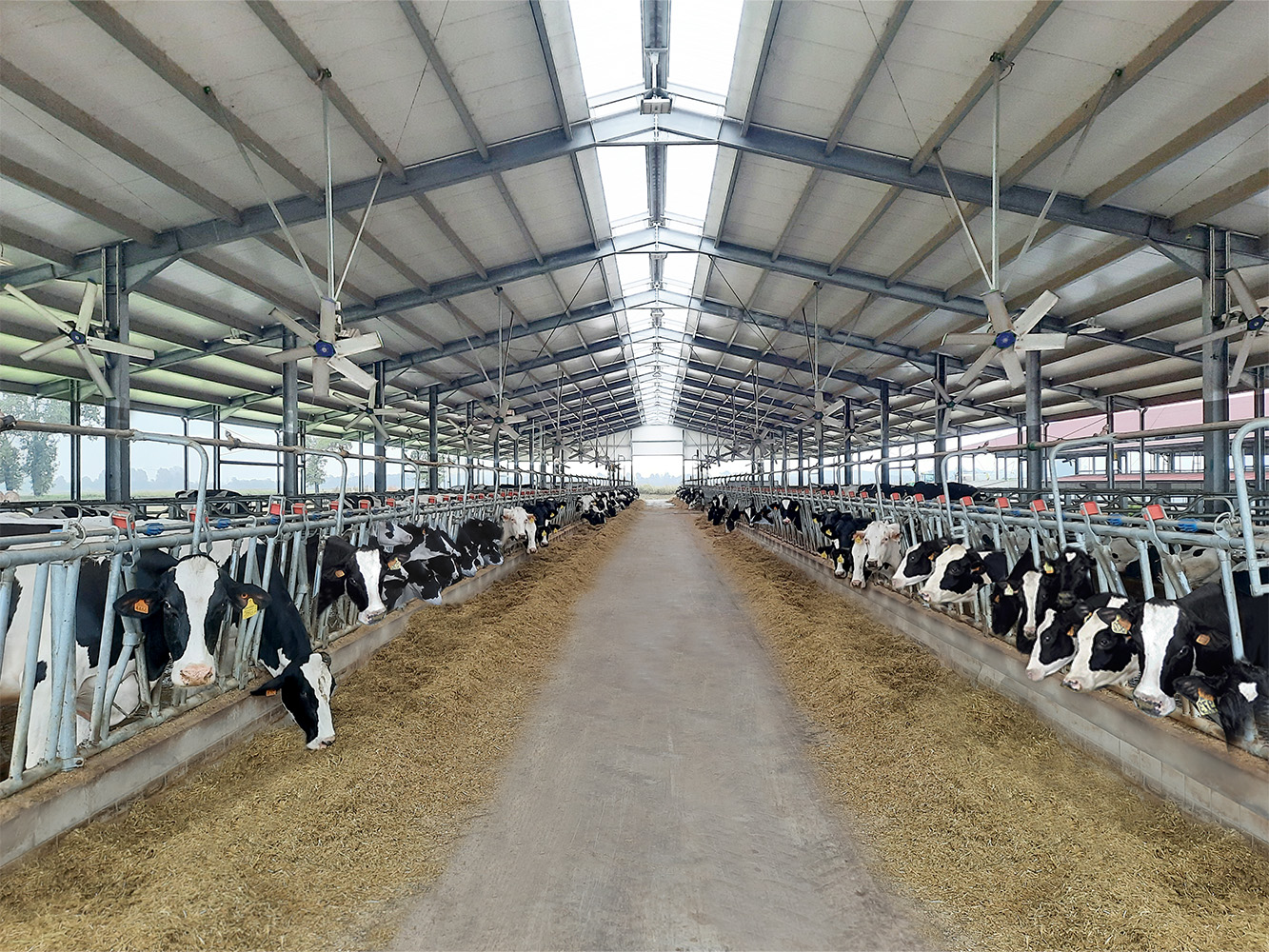
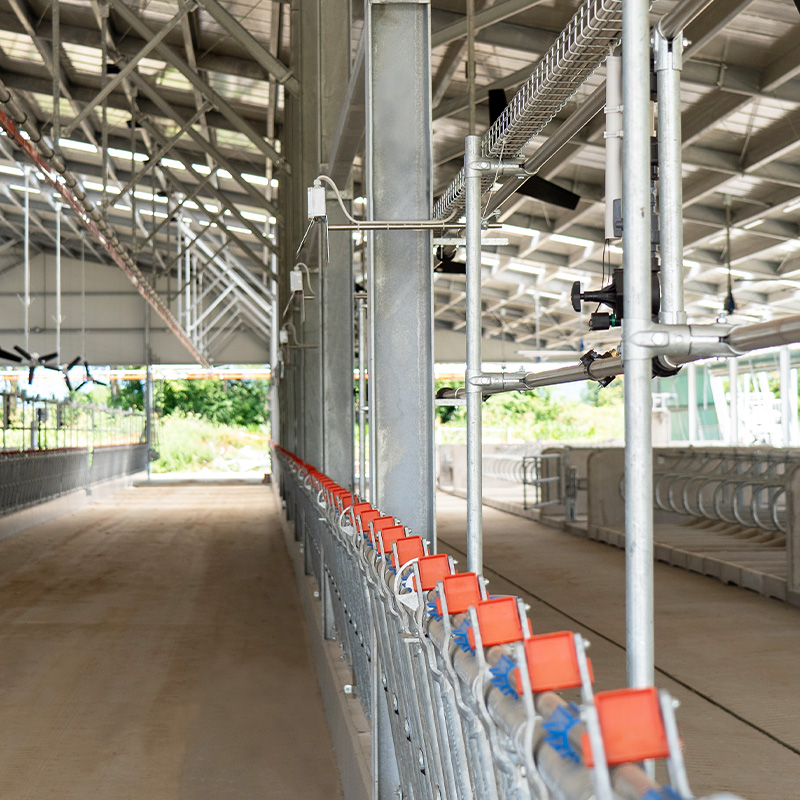
PVC Fan ventilators (three-blade, adjustable) are ideal for cooling the feeding aisle. Equipped with a built-in inverter and a permanent magnet motor, they guarantee high performance and low energy consumption. The PVC blades ensure lightness and quiet operation.
Targeted ventilation that improves animal welfare by reducing the effects of heat stress. Benefits include:
• Better distribution of animals and reduced crowding
• Increased fertility thanks to a less stressful environment
• Fewer cases of lameness thanks to cooler, drier surfaces
ARTIFICIAL VENTILATION
ALU FAN
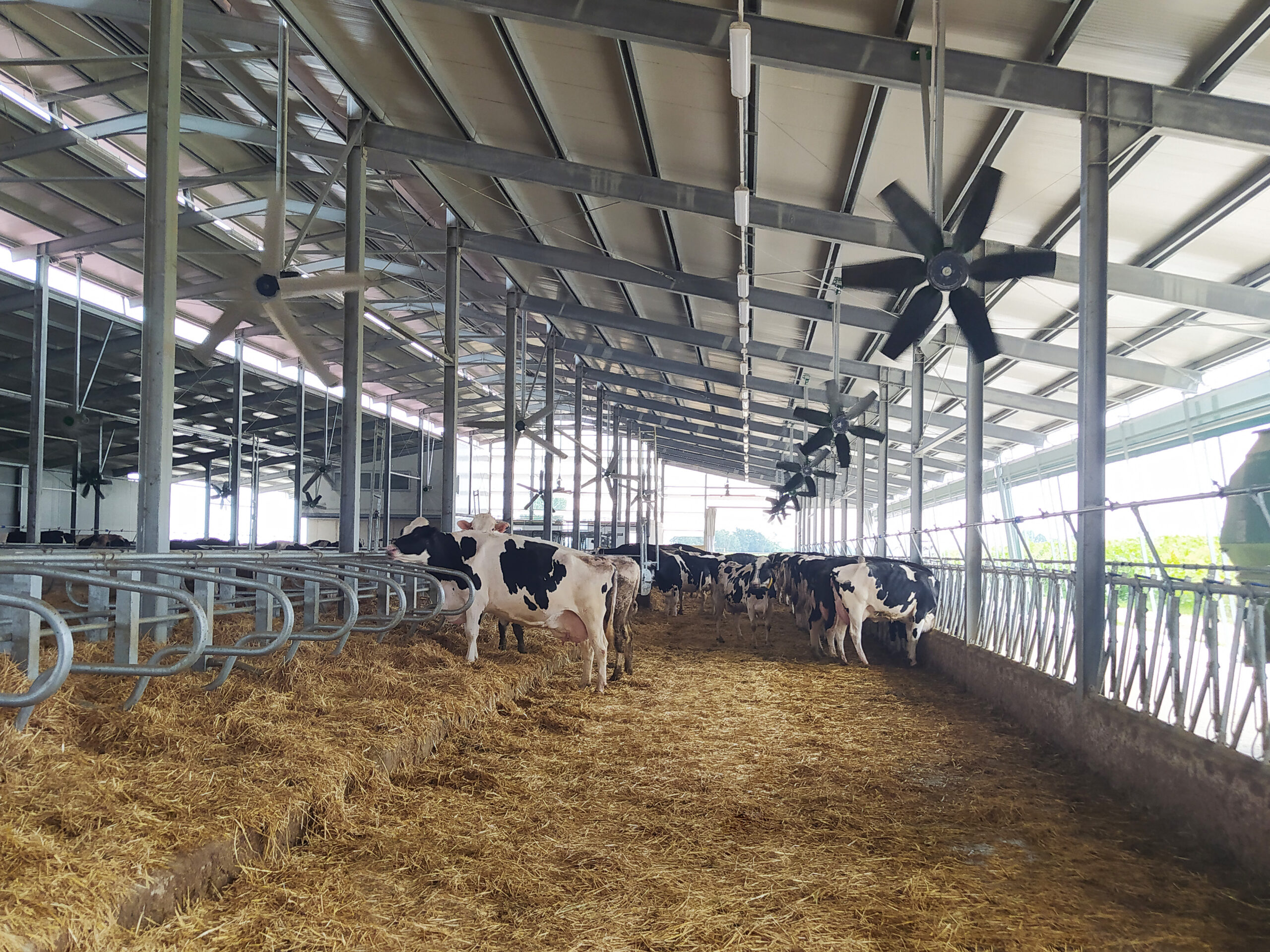
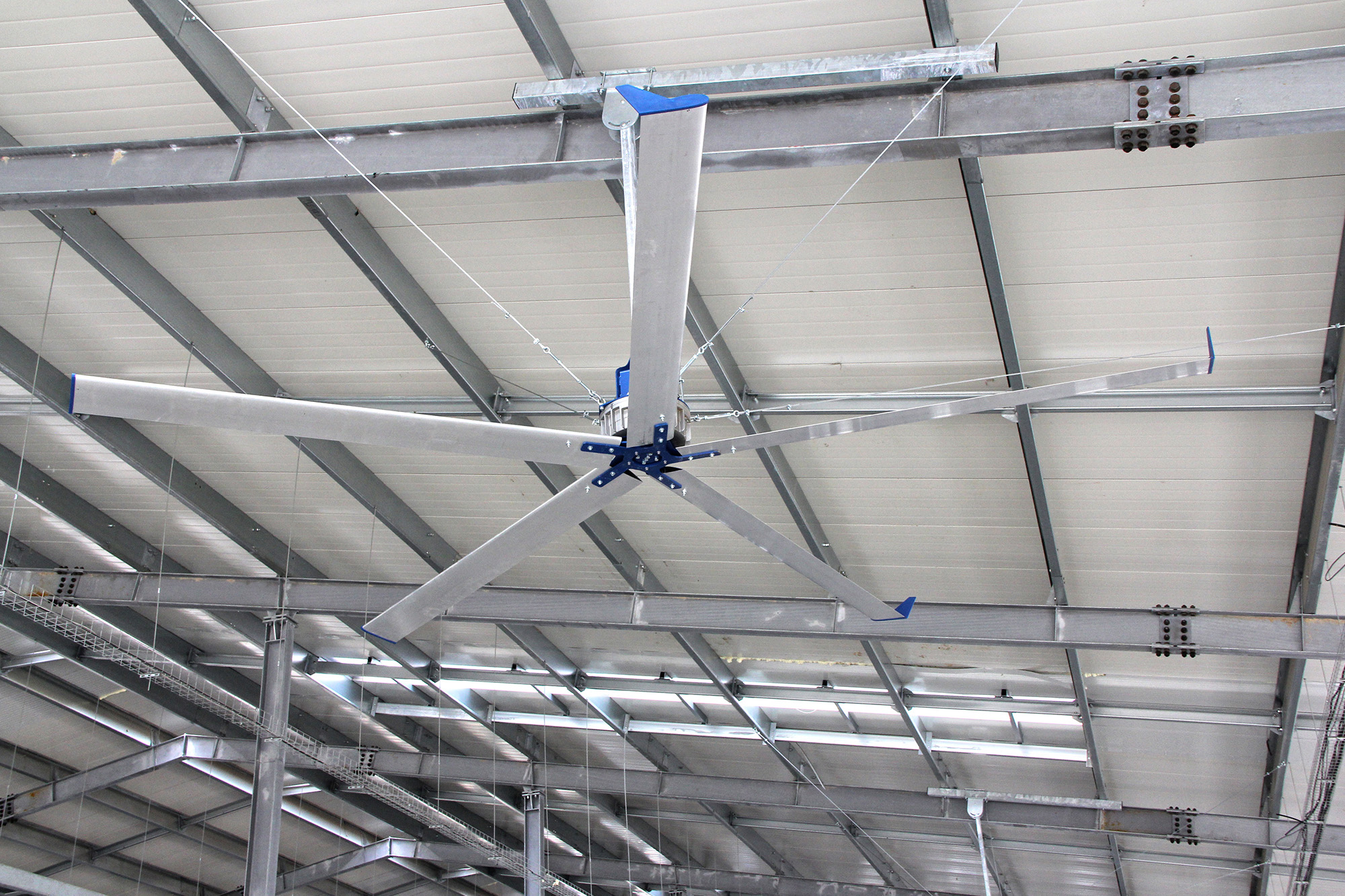
ALU Fan ventilators (with three, five or six adjustable blades) are designed to effectively cool the pens and feeding alley. Featuring an on-board inverter and a permanent magnet motor, they offer high performance with low energy consumption. The aluminium blades ensure robustness, durability and a high air movement capacity.
They therefore contribute to an optimal microclimate that promotes animal welfare even on the hottest days, with significant benefits:
• Stimulation of circulation and improved metabolic efficiency
• Increased fertility thanks to reduced heat stress
• Increased milk production: every extra hour of rest can generate up to +1.6 kg of milk per animal per day
ARTIFICIAL VENTILATION
BIG FAN
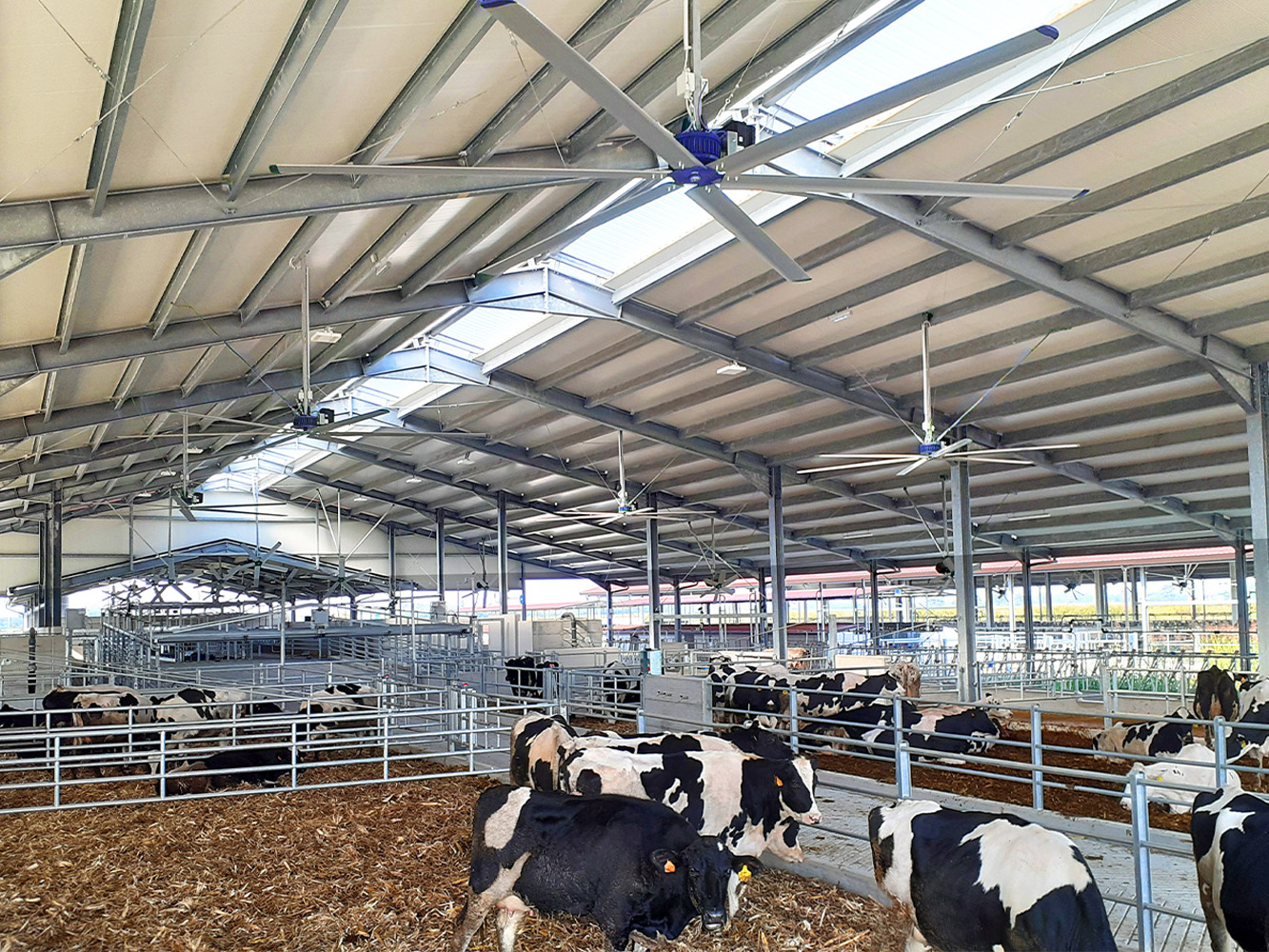
The BIG FAN (a 5- or 6-blade aluminium fan) is the ideal solution for ensuring effective ventilation in the bedding area and waiting area, particularly in barns with permanent bedding. Equipped with an on-board inverter and a permanent magnet motor, it guarantees high performance and continuous operation even in particularly demanding environments.
Designed to support the welfare of growing animals, dry cows or those in the early stages of life, the BIG FAN helps to create a healthy and high-performing environment.
Its benefits include:
• Repelling pests and nuisance insects
• Improving feed intake and rest time
• Supporting harmonious growth and reducing neonatal mortality
MICROCLIMATE
Wetting
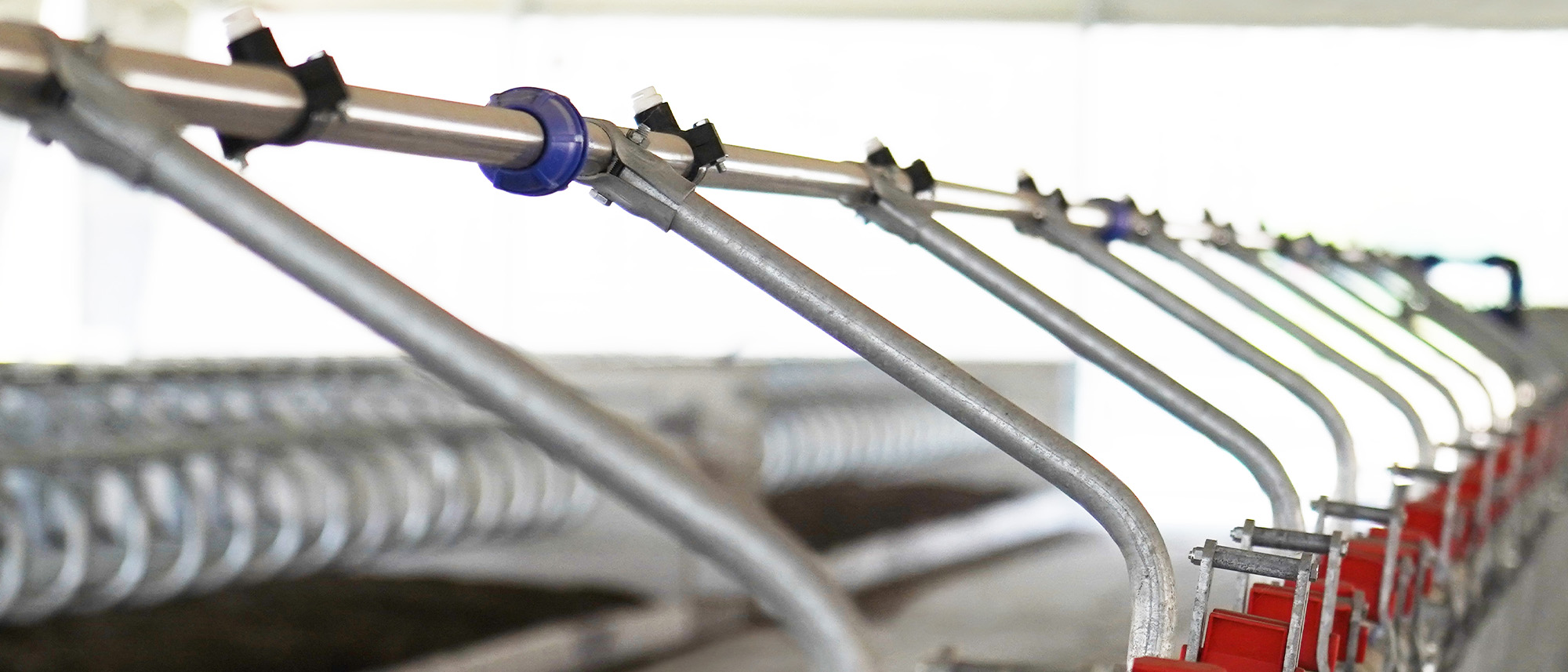
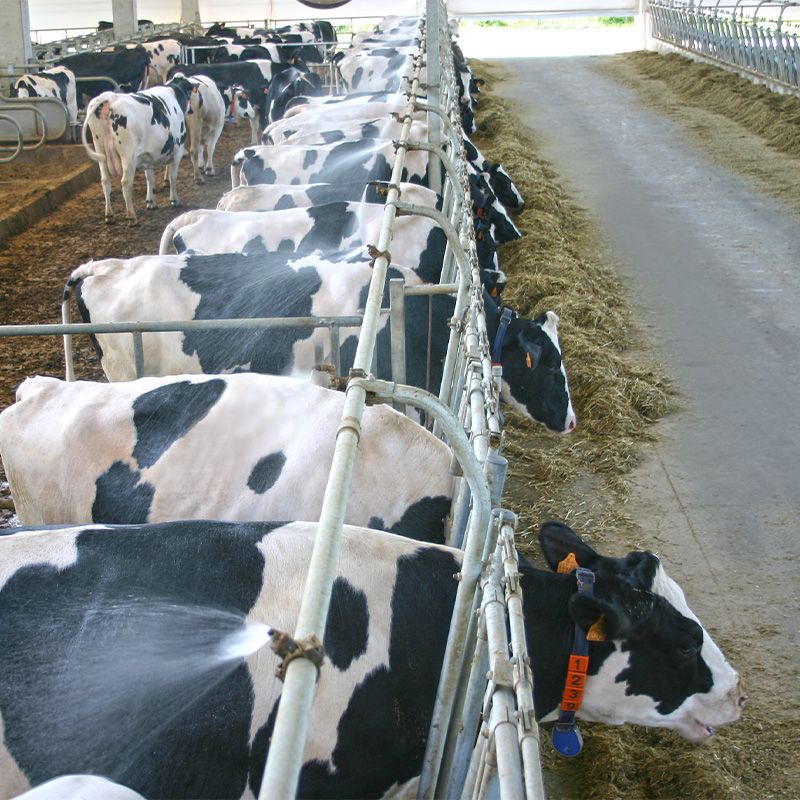
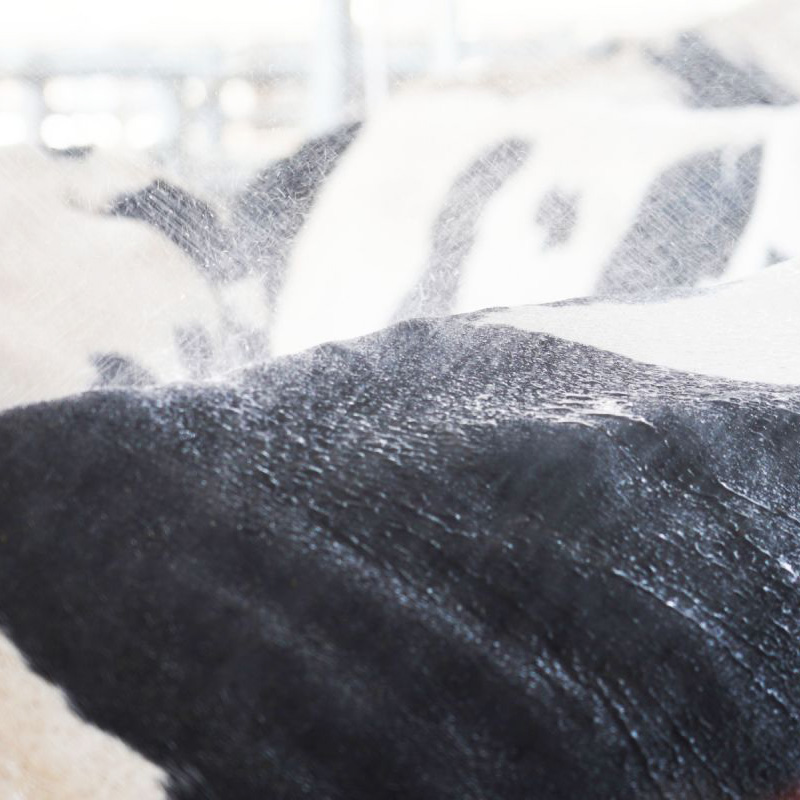
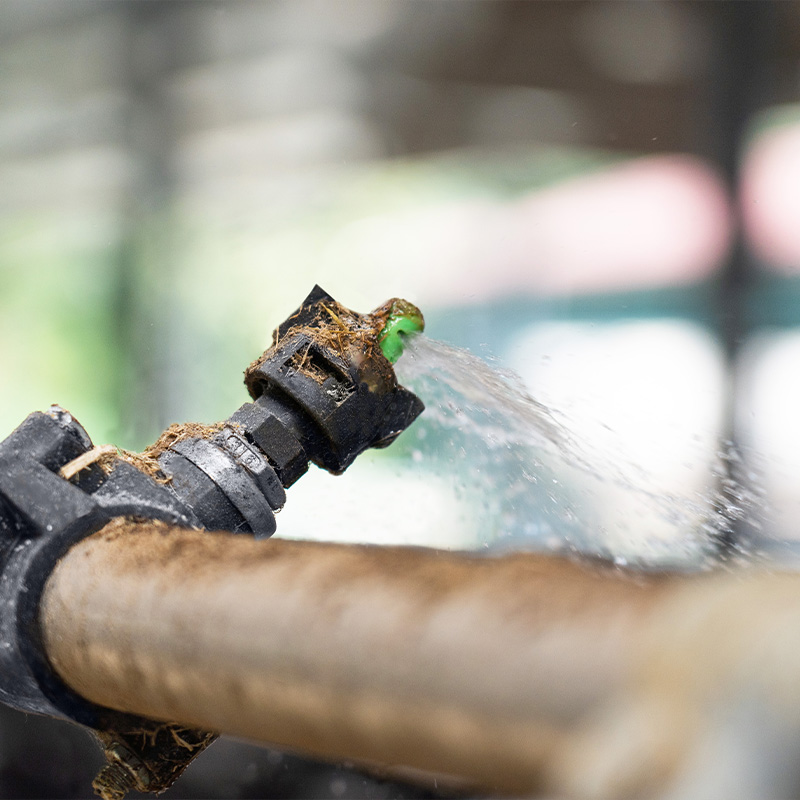
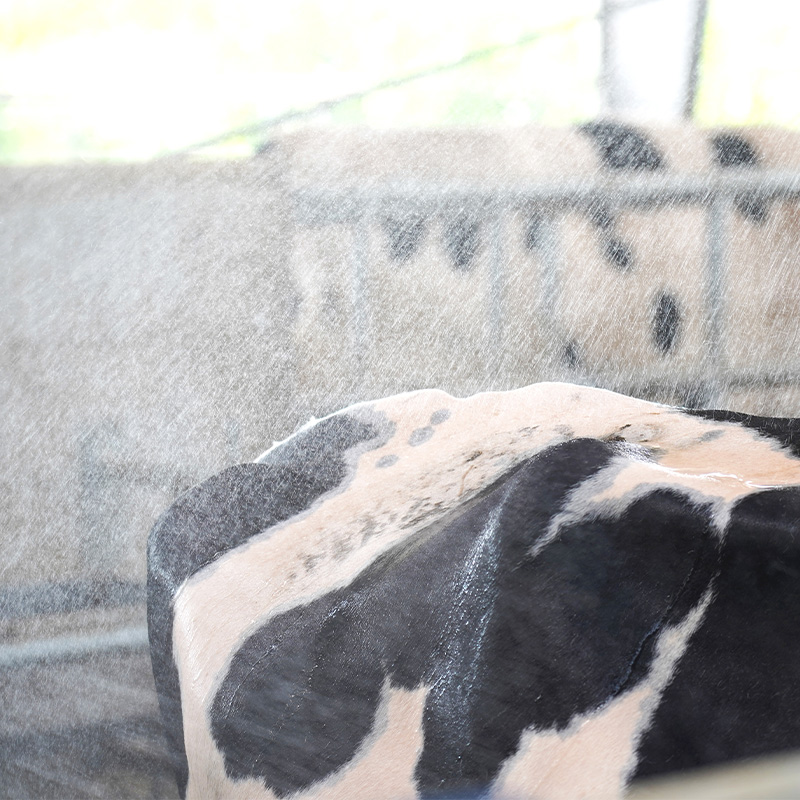
Wetting systems in livestock housing are an effective way of lowering the animals’ body temperature, improving their fertility and contributing to a healthier environment. The heavy-drip system promotes evaporative cooling, controlling heat stress and limiting the formation of airborne dust. Particularly suitable for the waiting area too, this technology improves the herd’s welfare and productivity.
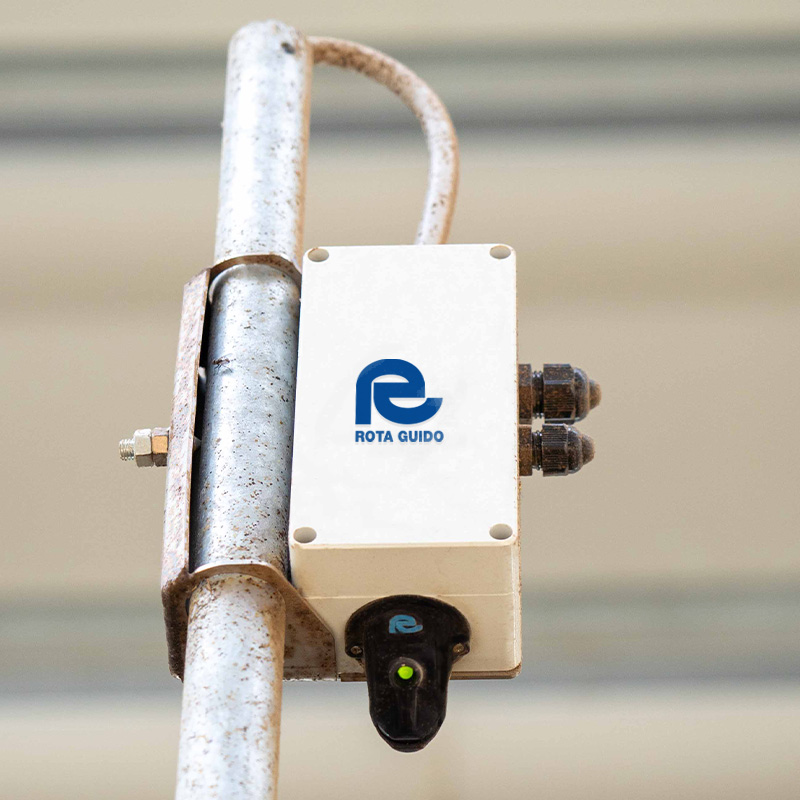
With the WIS – Water Individual System, water is dispensed in a targeted manner thanks to automatic animal detection, reducing waste and optimising water consumption.
Key benefits:
• Localised and selective cooling
• Microclimate and humidity control
• Intelligent water saving
• Greater welfare, greater profitability
The microclimate can really boost your milk production – here’s how:
• Cooling helps cows cope better with summer heatwaves, preventing drops in production.
• A stable microclimate promotes a higher and more sustained milk yield curve.
• Less stress means more consistent daily milk production.
• A well-ventilated barn limits the negative effects of the THI (Temperature-Humidity Index).
• More hours of rest per day mean up to +1.6 kg of milk per cow.
• Thermal stability during the hot months prevents a collapse in summer performance.
• A comfortable environment contributes to milk that is richer in fat and protein.
• Higher-quality milk guarantees a higher yield during processing.
ADVICE
Request a consultation
Please do not hesitate to contact us.
Rota Guido’s technical and sales team is at your complete disposal for any enquiries or information you may require.